
Science, Faith, and the Invisible Power That Governs All

When astronauts embark on a space mission, science meticulously calculates every detail—distance, speed, survival mechanisms, and the return journey. Yet, despite all the precision of science, one undeniable truth remains: not all missions return successfully. If science alone was the ultimate authority, every spaceship would return on the predicted day. But why did Sunita Williams and her fellow astronaut Butch Wilmore take nine months to return from their mission instead of nine days? Why do some missions fail while others succeed?
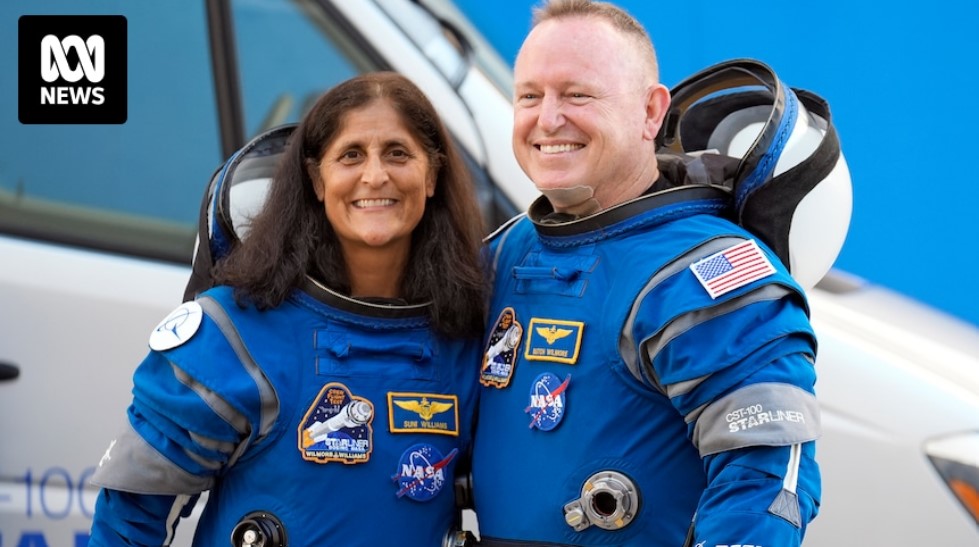
History reminds us that even the most advanced scientific achievements cannot guarantee absolute success. Kalpana Chawla, a symbol of human ambition and perseverance, was lost to space despite the best of science. The Titanic, built with the highest level of security and engineering expertise, still met its tragic fate. No matter how much we advance in technology, nature always has the final word.
The Limits of Science and the Mystery of Life
Science has made incredible strides—exploring galaxies, creating IVF babies, and even extending human life through medical advancements. But can science truly control everything? A baby is born only when its time has come. A patient bids farewell to the world even after receiving the most advanced treatment. There is an unseen force that decides when and how events unfold, beyond what calculations and technology can predict.
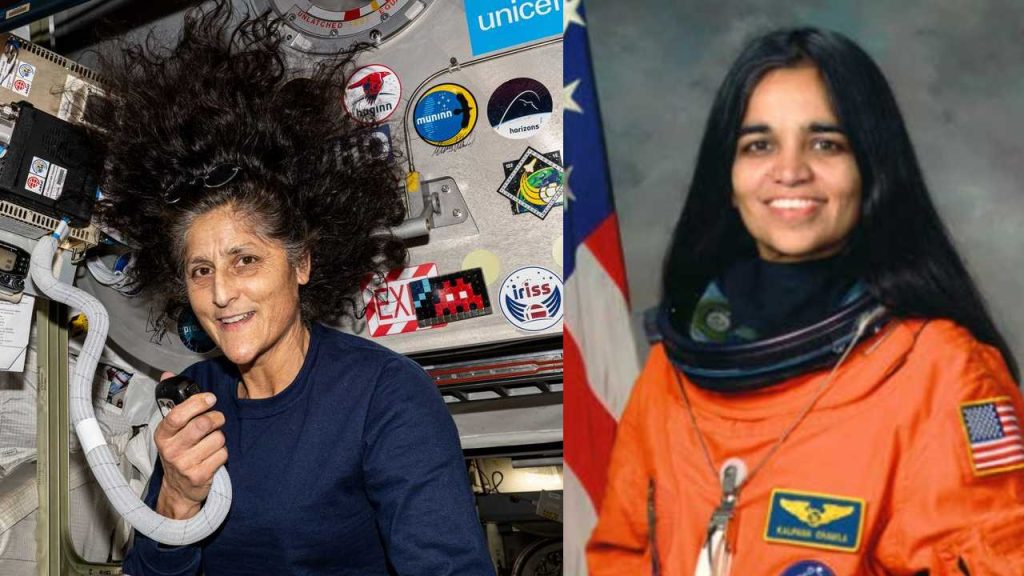
Sunita Williams and Butch Wilmore’s safe return is not just a victory of science but also a testament to faith and the goodwill of billions of people who prayed for them. There are times when, despite all our knowledge and efforts, we must bow down to the mysterious power that guides the universe.
Science and Faith—Not Opposites, But Companions

One of the greatest mistakes we can make is assuming that science and faith are enemies. Faith is not an excuse to dismiss human effort, nor is science proof that faith is meaningless. They are two sides of the same coin. The greatest scientists, from Albert Einstein to A.P.J. Abdul Kalam, never denied the existence of a higher power. They knew that human intelligence and effort can only go so far—beyond that lies the unknown.
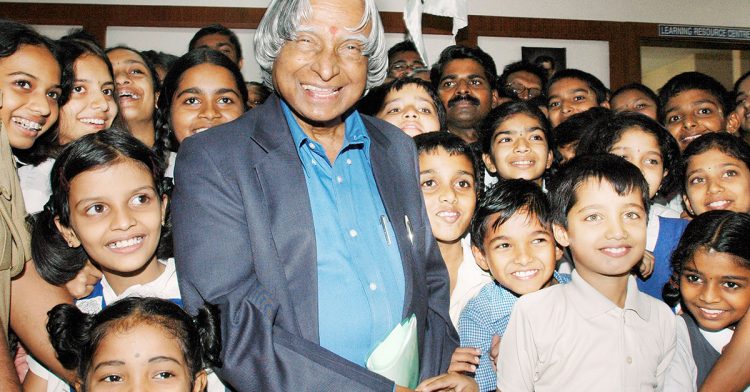
It is important to teach our children not just about science but also about humility. While we should encourage them to learn, invent, and explore, we must also remind them that arrogance in knowledge can lead to downfall. The moment we believe we control everything, nature reminds us otherwise.
Conclusion
The universe existed long before humans arrived, and it will continue to exist long after we are gone. Space does not need a spacecraft to exist. It was there before we built rockets, and it will remain even if every spacecraft vanishes. The invisible force that created the vast cosmos does not disappear with human failures.
Humans are just one species, and Earth is just one tiny planet in the grand scheme of existence. Recognizing this truth does not make us weak; it makes us wiser. The key to progress is not blind arrogance but a balanced understanding—embracing science while respecting the greater force that governs all.
Let us continue to explore, innovate, and reach for the stars, but let us also remember: humility is the greatest wisdom.
Comments

Hi, I’m Nishanth Muraleedharan (also known as Nishani)—an IT engineer turned internet entrepreneur with 25+ years in the textile industry. As the Founder & CEO of "DMZ International Imports & Exports" and President & Chairperson of the "Save Handloom Foundation", I’m committed to reviving India’s handloom heritage by empowering artisans through sustainable practices and advanced technologies like Blockchain, AI, AR & VR. I write what I love to read—thought-provoking, purposeful, and rooted in impact. nishani.in is not just a blog — it's a mark, a sign, a symbol, an impression of the naked truth. Like what you read? Buy me a chai and keep the ideas brewing. ☕💭 For advertising on any of our platforms, WhatsApp me on : +91-91-0950-0950 or email me @ support@dmzinternational.com


