
The Impact of ChatGPT on Software Engineers and the IT Industry: Unveiling the Realities of AI

Artificial Intelligence (AI) has made remarkable strides in recent years, and ChatGPT, an advanced language model developed by OpenAI, is at the forefront of this revolution. While AI technology has shown tremendous potential to streamline processes and enhance various industries, it has also elicited concerns among professionals, especially software engineers and IT industry employees. In this blog, we will delve into the potential fears, implications, and transformations brought about by ChatGPT in the job market and identify industries that might be deeply affected or less impacted by the rise of AI.
The Rise of ChatGPT and its Capabilities

ChatGPT, powered by the GPT-3.5 architecture, is an AI language model that can understand, process, and generate human-like text. It has demonstrated proficiency in various tasks, including language translation, content generation, programming assistance, and even creative writing. While it undoubtedly offers exciting possibilities, the unprecedented capabilities of ChatGPT can evoke apprehension among software engineers and IT industry employees.
Scare Factor: Why ChatGPT May Intimidate Software Engineers

1. Job Displacement: Software engineers might fear that ChatGPT could replace their roles or make certain tasks obsolete. As the model continues to advance, it could potentially automate coding, software testing, and debugging processes, leading to reduced demand for human intervention.
2. Skill Redundancy: The fear of being outperformed by AI is prevalent among IT professionals. ChatGPT’s rapid learning capabilities might render certain skill sets irrelevant, pushing professionals to constantly upgrade their expertise to stay relevant in the job market.
3. Ethics and Bias: AI models like ChatGPT can inadvertently amplify biases present in the data they are trained on. This could raise ethical concerns in software development, as biased algorithms might perpetuate discriminatory practices, affecting the reputation of engineers and the industry as a whole.
4. Reduced Creativity: With ChatGPT’s ability to generate human-like content, software engineers may worry about diminishing their creative contributions to projects. This could lead to disillusionment and a perceived lack of personal growth in their careers.
Job Market Impact: Navigating the AI Revolution
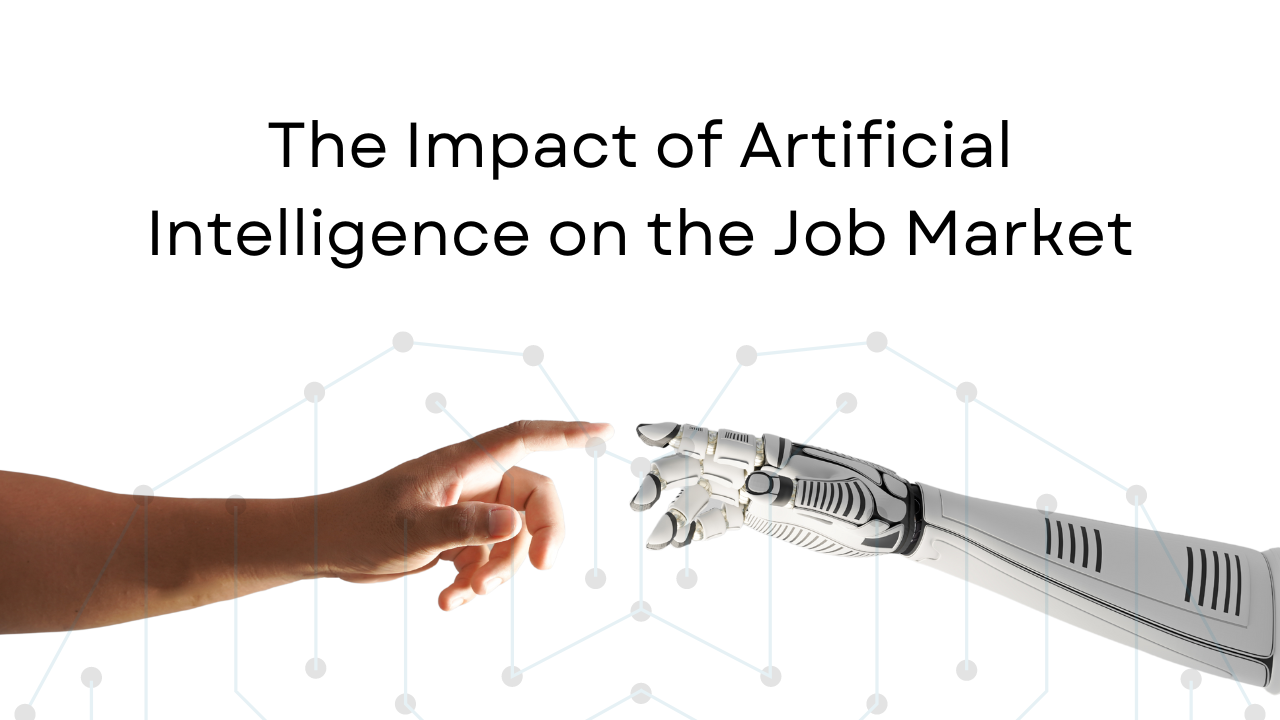
While there are legitimate concerns surrounding AI, it’s essential to recognize that technology and automation have historically reshaped industries, creating new opportunities along with potential challenges. The job market could witness the following transformations:
1. Job Evolution: Software engineers and IT professionals might need to shift their focus to tasks that leverage AI technology instead of resisting it. Embracing AI can lead to more innovative and specialized roles, such as AI model development, training, and deployment.
2. Upskilling and Reskilling: To remain competitive, employees must invest in continuous learning and upskilling to adapt to the evolving requirements of AI-powered environments. This proactive approach can enhance job security and open up new career avenues.
3. Collaborative Coexistence: ChatGPT and similar AI models are best utilized in tandem with human expertise. Software engineers can work alongside AI to enhance efficiency, productivity, and problem-solving capabilities.
Industries Most Affected by AI and Those Less Impacted

Industries heavily reliant on data processing, customer service, and content generation are more likely to experience significant AI disruption:
1. Customer Service: AI-powered chatbots and virtual assistants are revolutionizing customer service, reducing the need for manual interactions.
2. Content Generation: AI can produce content for news, social media, and marketing, which may impact content creation job opportunities.
3. Data Analysis: AI-driven analytics can rapidly process vast datasets, affecting roles that focus on manual data analysis.
On the other hand, certain industries might be less affected by AI:

1. Creative Arts: Fields that require unique human expression and creativity, such as fine arts, literature, and performing arts, are less susceptible to AI disruption.
2. Complex Decision-making: Professions involving nuanced judgment and complex decision-making, like law, medicine, and senior management, rely heavily on human intelligence and are less likely to be fully automated.
Conclusion

The advent of ChatGPT and AI technologies brings both promise and trepidation to software engineers and the IT industry. While there are valid concerns about job displacement and skill redundancy, it is crucial to approach AI with a forward-thinking mindset. Embracing AI as a tool to augment human capabilities and focusing on upskilling and reskilling can lead to a more sustainable and innovative job market. As with any technological advancement, collaboration between AI and human expertise will play a pivotal role in shaping the future of industries and ensuring that AI serves as an ally rather than a competitor.
Comments

Hi, I’m Nishanth Muraleedharan (also known as Nishani)—an IT engineer turned internet entrepreneur with 25+ years in the textile industry. As the Founder & CEO of "DMZ International Imports & Exports" and President & Chairperson of the "Save Handloom Foundation", I’m committed to reviving India’s handloom heritage by empowering artisans through sustainable practices and advanced technologies like Blockchain, AI, AR & VR. I write what I love to read—thought-provoking, purposeful, and rooted in impact. nishani.in is not just a blog — it's a mark, a sign, a symbol, an impression of the naked truth. Like what you read? Buy me a chai and keep the ideas brewing. ☕💭 For advertising on any of our platforms, WhatsApp me on : +91-91-0950-0950 or email me @ support@dmzinternational.com


