The Power of Empathy and Kindness: Nurturing Compassionate Children
Empathy and kindness are the cornerstones of a compassionate society. In our fast-paced, interconnected world, fostering these qualities in children has never been more important. These qualities not only shape their individual characters but also contribute to the overall well-being of our communities. As parents, caregivers, and educators, we have a pivotal role in cultivating empathy and kindness in the younger generation. By doing so, we equip them with essential life skills that promote emotional intelligence, positive relationships, and a brighter future for all.
The Role of Empathy in Developing Kindness
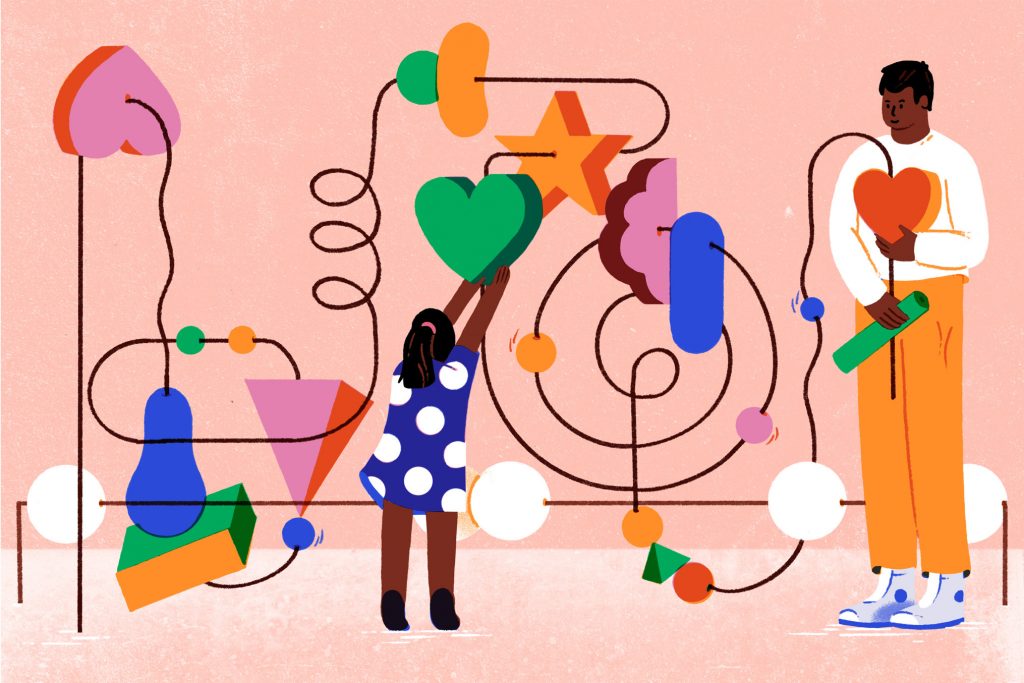
Empathy serves as a bridge to kindness. When children learn to empathize, they develop an innate understanding of others’ feelings and perspectives. This understanding lays the foundation for acts of kindness and compassion. As children connect emotionally with their peers, family members, and even strangers, they begin to recognize the shared human experience that binds us all. This recognition is a crucial step toward building a more empathetic and inclusive society.
Being Emotionally Attuned Parents
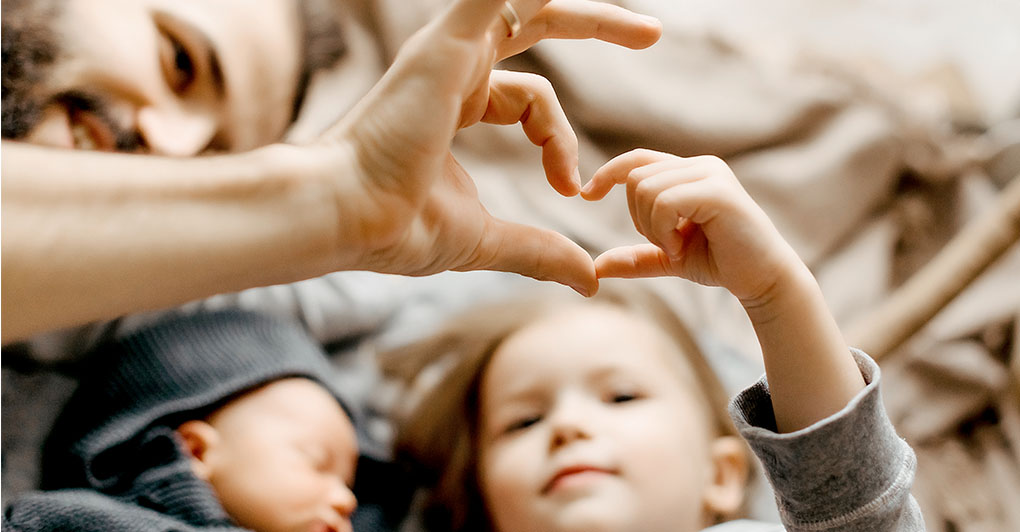
Emotional attunement is the cornerstone of nurturing empathy in children. By being emotionally attuned parents, we create an environment where children feel safe expressing their emotions. When children’s feelings are acknowledged and validated, they learn that emotions are an integral part of being human. This understanding paves the way for them to recognize and respond to the emotions of others. When we model empathetic behavior and engage in active listening, we provide a blueprint for children to follow in their interactions.
Practicing Empathy in Everyday Life
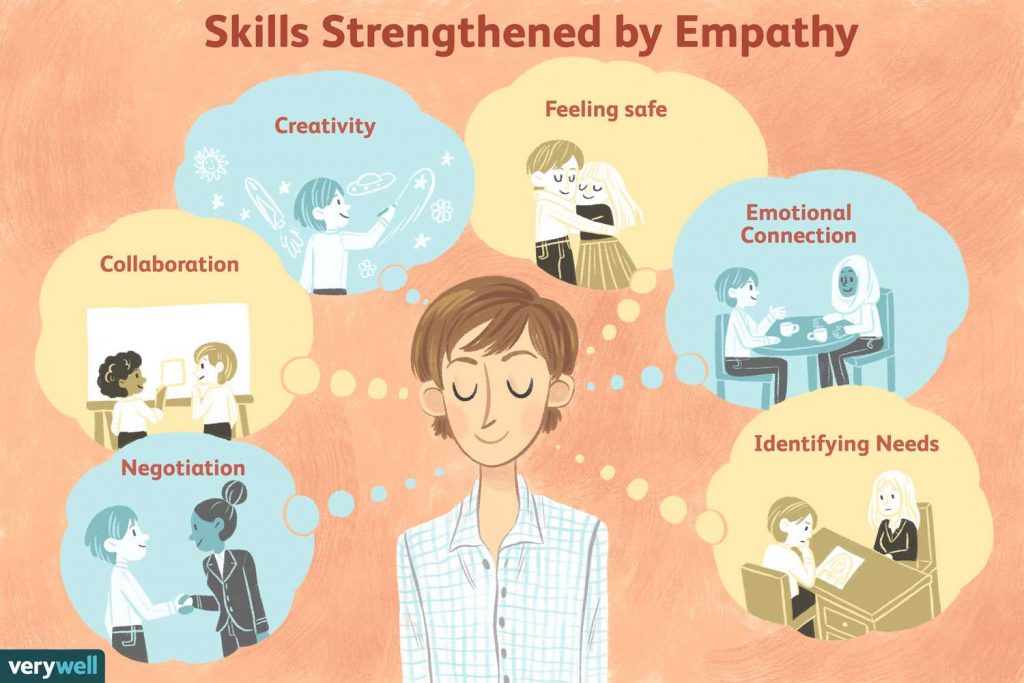
While parental guidance is fundamental, children also learn by observing and experiencing empathy in their everyday lives. Parents can actively model empathy in their interactions with family members, friends, and even strangers. When children witness empathy in action, it becomes a tangible concept rather than an abstract idea. This hands-on exposure helps them grasp the impact of kindness and compassion in real-world situations.
Benefits of Kindness for Children
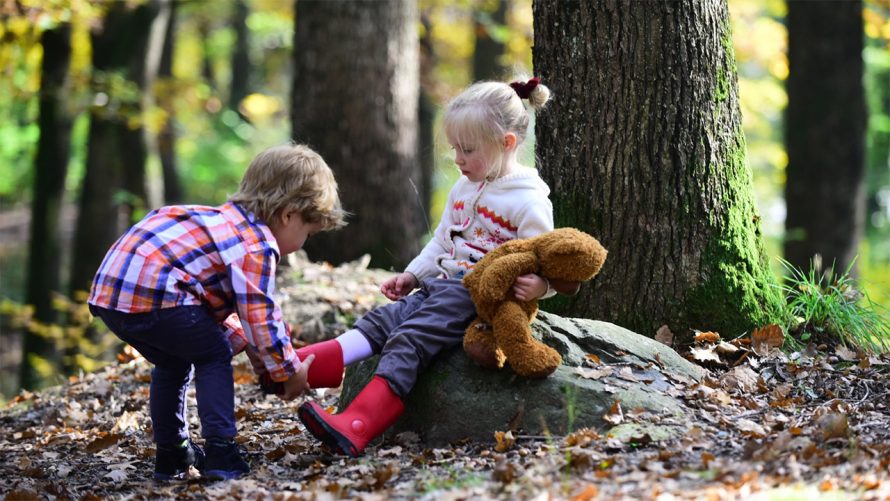
The benefits of nurturing kindness in children extend beyond fostering pleasant social dynamics. Scientific research indicates that practicing kindness has far-reaching effects on children’s mental and physical well-being.
1. Enhancing Emotional Well-being: Acts of kindness trigger the release of “feel-good” hormones, such as endorphins. These hormones contribute to children’s happiness and help reduce stress and anxiety levels.
2. Building Resilience: Kindness fosters a sense of belonging and community. Children who feel connected to others are better equipped to navigate challenges and setbacks, developing resilience in the process.
3. Boosting Self-esteem: Engaging in acts of kindness allows children to experience a sense of accomplishment. When they recognize their ability to make a positive impact, their self-esteem and confidence receive a healthy boost.
4. Improving Social Skills: Kindness promotes positive social interactions, helping children forge healthy relationships and enhancing their communication and conflict resolution skills.
5. Cultivating Empathy: Kindness is a tangible way for children to practice empathy. As they engage in kind acts, they become more attuned to the feelings of others, deepening their capacity for empathy.
Conclusion:
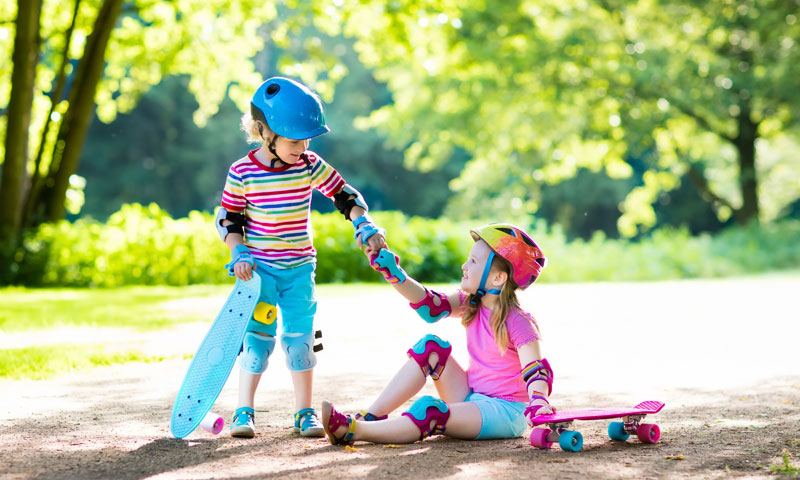
In a world that often emphasizes individual success, teaching empathy and kindness is a powerful counterbalance. Empathy teaches children to look beyond themselves, fostering a sense of responsibility for the well-being of others. Kindness, in turn, is the natural expression of empathy, creating a ripple effect that spreads positivity and compassion. As parents, caregivers, and educators, we hold the key to nurturing these qualities in the younger generation. By cultivating empathy and kindness, we empower children to become agents of positive change, shaping a world that thrives on compassion and understanding. Let us commit to this noble endeavor and witness the transformational impact it has on our children and the generations to come.
Comments

Hi, I’m Nishanth Muraleedharan (also known as Nishani)—an IT engineer turned internet entrepreneur with 25+ years in the textile industry. As the Founder & CEO of "DMZ International Imports & Exports" and President & Chairperson of the "Save Handloom Foundation", I’m committed to reviving India’s handloom heritage by empowering artisans through sustainable practices and advanced technologies like Blockchain, AI, AR & VR. I write what I love to read—thought-provoking, purposeful, and rooted in impact. nishani.in is not just a blog — it's a mark, a sign, a symbol, an impression of the naked truth. Like what you read? Buy me a chai and keep the ideas brewing. ☕💭 For advertising on any of our platforms, WhatsApp me on : +91-91-0950-0950 or email me @ support@dmzinternational.com