The Stargate Project: The Next Manhattan Project or an AI Mirage?
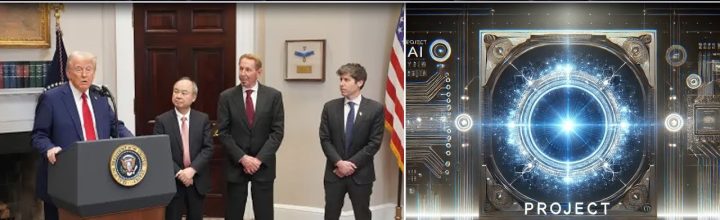
Artificial Intelligence (AI) is not just a technological advancement; it’s the battleground for economic dominance in the 21st century. OpenAI’s announcement of “The Stargate Project,” claiming a $500 billion investment over four years, promises to revolutionize AI infrastructure in the United States. But is this the dawn of a new era or just another inflated PR stunt to boost the egos and wallets of the Silicon Valley elite?
The Big Announcement and Its Skeptics
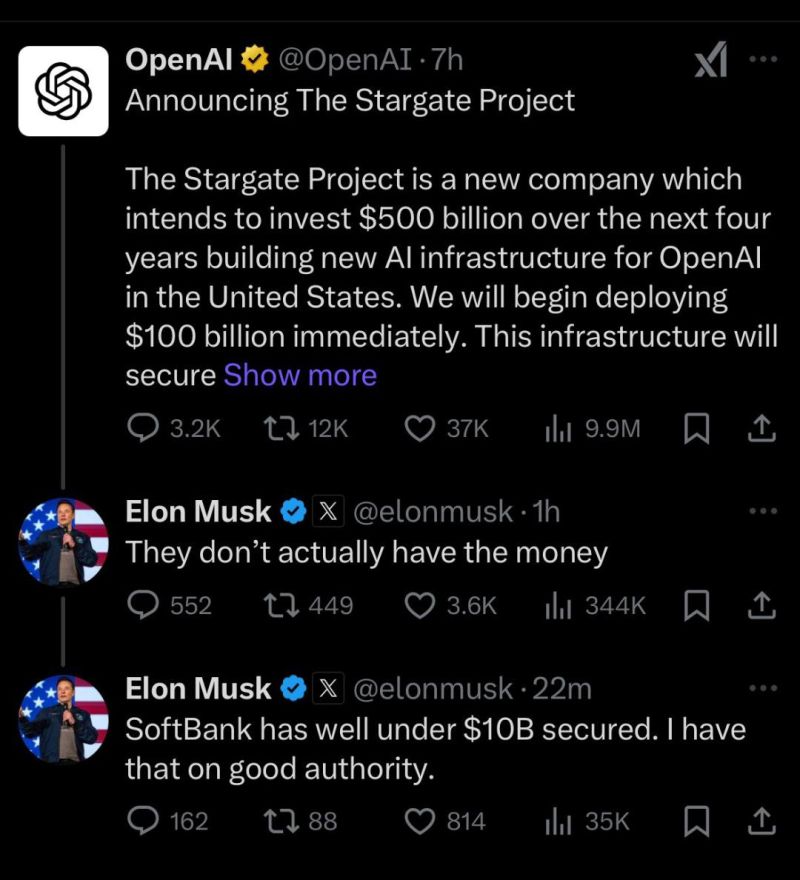
The Stargate Project’s ambition is staggering—$100 billion to be deployed immediately, with promises of cutting-edge AI infrastructure. But Elon Musk, never one to shy away from controversy, was quick to cast doubt on the feasibility of such an investment, alleging the project lacks the required funds. While Musk’s comments might stem from competitive frustration, they raise an important question: is the AI industry riding a wave of hype without substantial groundwork?
The industry experts “know something most people don’t,” or so the narrative goes. Is it AGI (Artificial General Intelligence) on the horizon? A shift in job markets with over 500,000 roles becoming automated in the next four years? Or are these claims masking the reality that progress in AI is slowing down, with minor advancements being marketed as groundbreaking breakthroughs? For many, this is reminiscent of the Manhattan Project—but this time, it’s a race with China to dominate the future of AI.
The Price of Progress
AI’s societal impact is undeniable, but who benefits the most from these advancements? History shows that investments of this magnitude often enrich a select few—turning the oligarchs even richer while the working class bears the brunt of automation. For ordinary Americans, this begs the question: how does this massive expenditure help them, especially if taxpayer dollars or public resources are involved?
Some argue that this is capitalism working at its finest—playing by the “best rules we’ve got so far.” Others view it as a dystopian vision of the future, where billionaires like Mr. T (Trump), Sam (Altman), and Elon Musk profit while millions face job displacement and economic instability. AI has immense potential, but its current trajectory raises concerns about environmental harm, social disruption, and the ethical implications of blindly supporting profit-driven motives.
The Current State of AI: Hype vs. Reality

Let’s not ignore the elephant in the room: trustworthiness. AI adoption across industries has been slower than anticipated, primarily due to its perceived lack of reliability. Yet, amidst this backdrop of skepticism, companies like OpenAI are making increasingly bold claims. A “2% improvement” on artificial benchmarks is lauded as revolutionary, while AI systems continue to falter in real-world applications.
This $500 billion dream project faces another hurdle—conflicting corporate interests. SoftBank, a key player in the funding, has been accused of prioritizing its portfolio companies over broader collaborative goals. Oracle, another potential partner, might leverage its involvement to push its proprietary products and services. With OpenAI’s recent leadership shakeups, the project’s governance might become its Achilles’ heel. Can such a colossal endeavor succeed when its key stakeholders are pulling in different directions?
America’s AI Vision: Utopian or Dystopian?
Before we sink half a trillion dollars into AI, it’s worth asking: what is the endgame? Where do everyday Americans fit into this vision of the future? Are we hurtling toward a society where a handful of companies control the fate of millions, wielding AI as a tool to maximize profits at the expense of social equity?
The Stargate Project claims to be a moonshot initiative, but like NFTs and Web3 before it, the hype-to-substance ratio is questionable. Smart companies don’t throw $500 billion at buzzwords; they invest in tangible, scalable solutions. Yet, for all its flaws, AI remains the new frontier—one that nations and corporations are desperate to conquer.
The Path Forward
To truly revolutionize AI, we need a balanced approach—one that prioritizes ethical considerations, environmental sustainability, and inclusivity. The tech industry must move beyond the narrow goal of enriching its shareholders to focus on how AI can improve society as a whole.
In the end, the success of projects like Stargate will depend not on bold announcements but on meaningful collaboration, transparent governance, and a commitment to addressing the concerns of all stakeholders—not just the wealthy few. Until then, skepticism is warranted, and Elon Musk’s criticism might be closer to the truth than we’d like to admit.
Comments

Hi, I’m Nishanth Muraleedharan (also known as Nishani)—an IT engineer turned internet entrepreneur with 25+ years in the textile industry. As the Founder & CEO of "DMZ International Imports & Exports" and President & Chairperson of the "Save Handloom Foundation", I’m committed to reviving India’s handloom heritage by empowering artisans through sustainable practices and advanced technologies like Blockchain, AI, AR & VR. I write what I love to read—thought-provoking, purposeful, and rooted in impact. nishani.in is not just a blog — it's a mark, a sign, a symbol, an impression of the naked truth. Like what you read? Buy me a chai and keep the ideas brewing. ☕💭 For advertising on any of our platforms, WhatsApp me on : +91-91-0950-0950 or email me @ support@dmzinternational.com