
Trump’s War in Iran: When Regional Battles Turn into a Global Humanitarian Crisis
In the middle of a rapidly escalating Middle East conflict, diplomacy, war, and economics are colliding in ways that could reshape global stability. What once appeared to be a regional confrontation between Iran and Israel, backed by the United States, is now beginning to ripple far beyond the battlefield—touching civilians, oil markets, global diplomacy, and even countries thousands of kilometers away.
One of the most telling developments came quietly through diplomacy. Pakistan’s Prime Minister recently held a significant meeting with the Saudi Crown Prince, where the two leaders reportedly discussed the war situation and regional security concerns. Pakistan even assured Saudi Arabia of support if the crisis deepens.
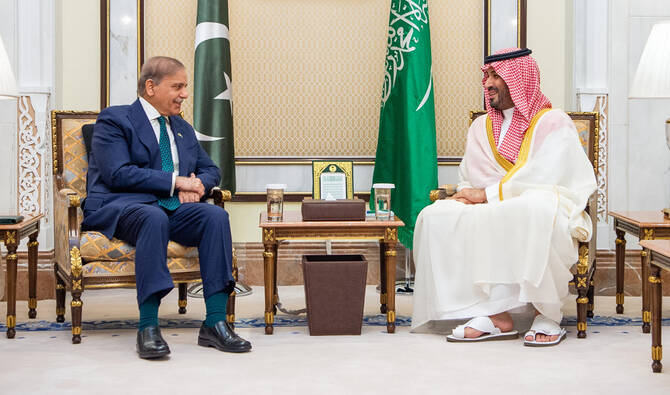
This meeting reveals something important: while missiles fly in the skies of the Middle East, alliances are being quietly rearranged in royal palaces and diplomatic rooms. Countries across the Islamic world are watching carefully, calculating how this conflict could affect their own stability.
Meanwhile, the battlefield continues to expand.
The United States recently confirmed that a KC-135 aerial refueling aircraft crashed in western Iraq, marking the fourth American aircraft lost during the ongoing Middle East crisis.
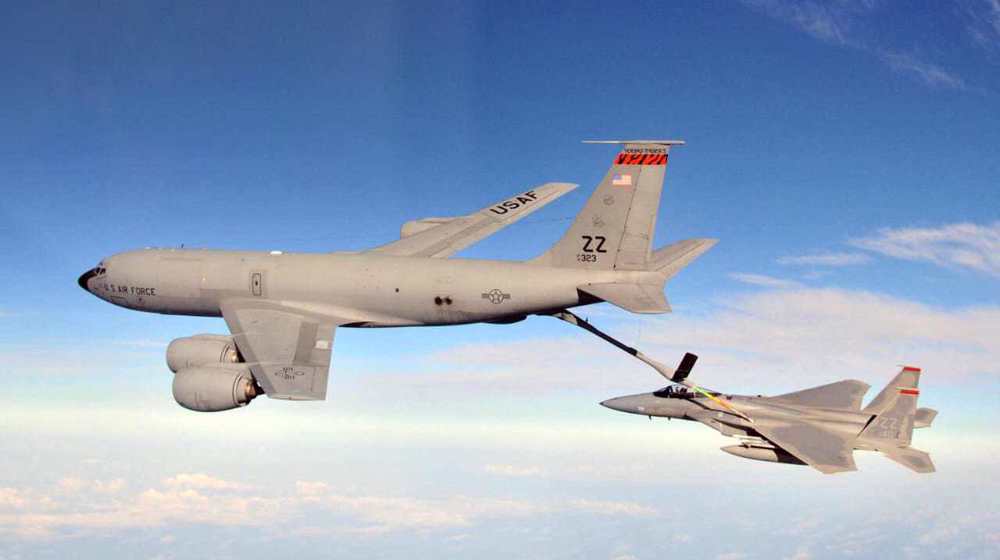
The U.S. military stated that the crash was not due to enemy fire, yet the symbolism remains powerful. Every aircraft loss, even accidental, adds to the perception that the region is slipping deeper into instability. Wars are not only fought through missiles; they are fought through narratives, morale, and global perception.
At the same time, the military confrontation between Iran and Israel is entering a dangerous phase of escalation. Israel announced that it struck Iran’s Taleghan compound at the Parchin Military Complex near Tehran, claiming the facility was connected to Iran’s alleged nuclear weapons development under the covert AMAD Project. Iran, however, responded with a new wave of missile and drone attacks under what it calls Operation True Promise 4, targeting Israeli sites and American bases across the region.
Tehran has also issued a chilling warning: if Israel continues its strikes, Iran could consider targeting Israel’s Dimona nuclear reactor.
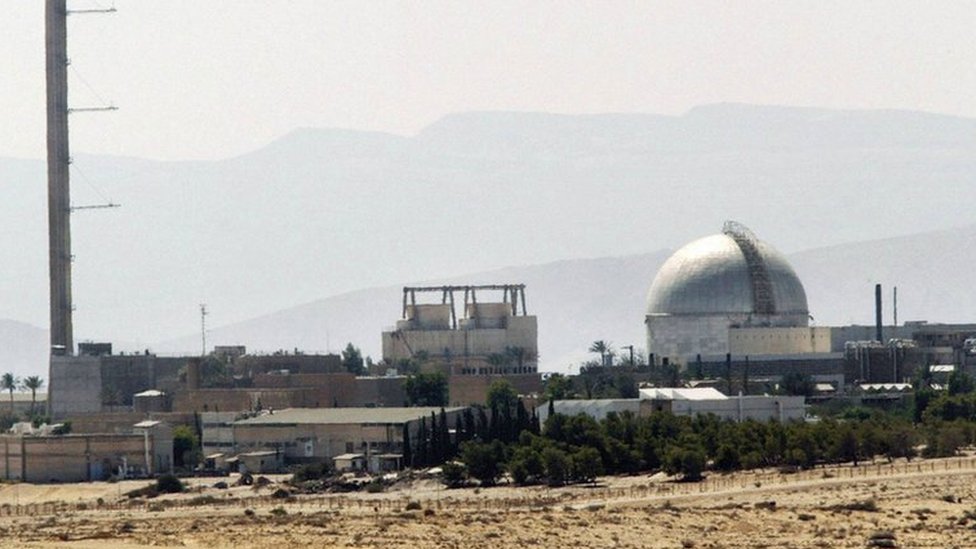
That single statement alone reveals how dangerously close the region is to a catastrophic escalation.
But the war is no longer confined to military bases.
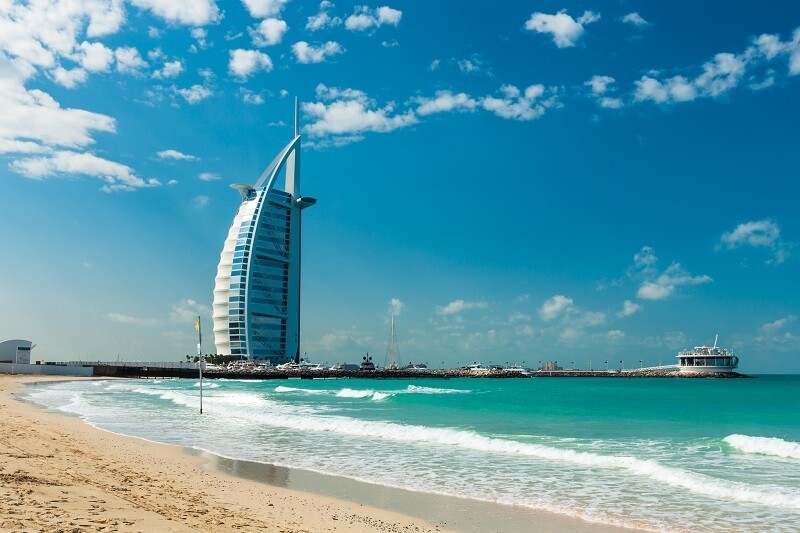
Dubai, one of the Middle East’s most important financial hubs, was reportedly targeted by Iranian drones and missiles during the thirteenth day of the conflict. Although the damage was limited to a high-rise building, major banks reportedly evacuated offices fearing further strikes. The psychological impact of such attacks on global financial centers is enormous. Dubai represents stability, finance, and global trade in the region. If investors begin to doubt its security, the economic consequences could ripple across international markets.
And the economic shockwaves are already visible.
As oil prices surge due to the Iran conflict, the U.S. Treasury Department has taken the unusual step of easing sanctions on Russian oil temporarily, allowing limited delivery and sale of previously sanctioned crude. This move reveals a deeper reality of geopolitics: in times of crisis, even adversaries become temporary economic solutions.
In other words, war reshuffles global economic rules overnight.
For countries like India, this crisis is more than a distant geopolitical drama. India imports a large portion of its oil from the Middle East, and any disruption in the region’s energy routes can directly affect fuel prices, inflation, and economic stability. Moreover, millions of Indian workers live across Gulf countries such as the UAE, Saudi Arabia, and Qatar. A prolonged conflict could endanger both livelihoods and remittance flows.
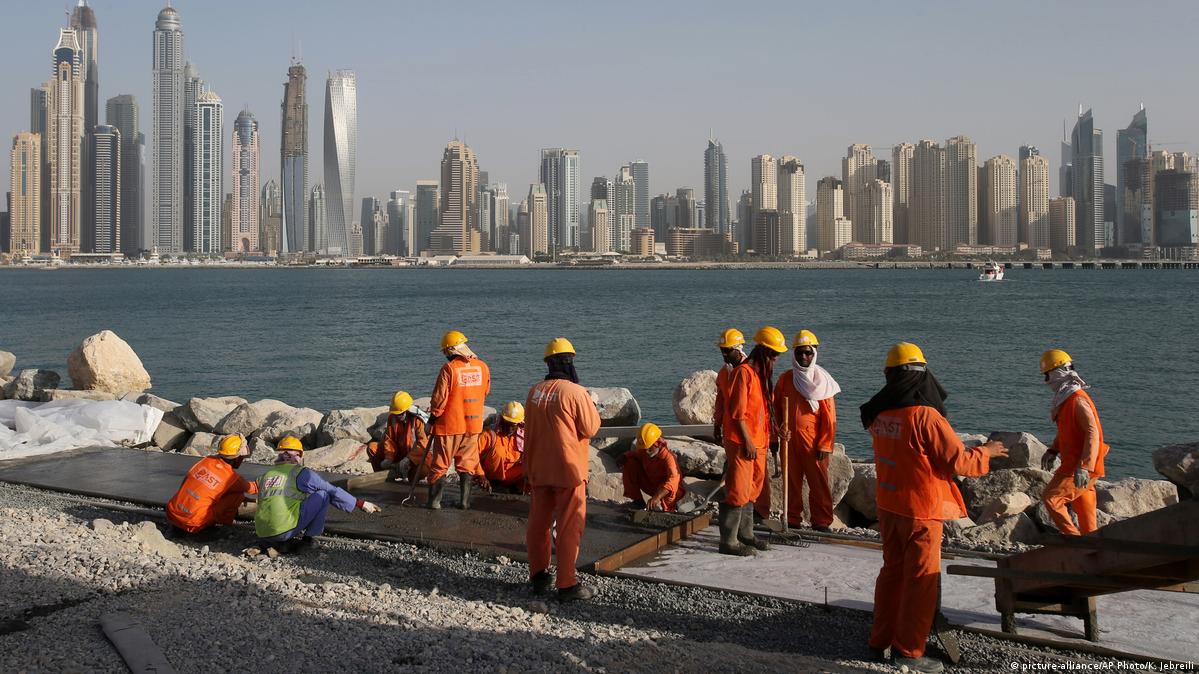
Yet the most tragic dimension of this crisis remains the humanitarian one.
Wars between states are often discussed through strategy, missiles, and military victories. But beneath every geopolitical headline are civilians—families displaced by airstrikes, children growing up under the sound of sirens, workers losing jobs as economies freeze, and migrants trapped between borders and bombs.
The Iran–Israel–U.S. confrontation risks becoming more than just another regional war. It could evolve into a cascading humanitarian crisis that destabilizes entire societies across the Middle East.
History has repeatedly shown that wars begin with political calculations but often end with human suffering far beyond what leaders imagined.
The real question facing the world today is simple yet urgent:
Will global powers step forward to prevent the conflict from spreading further, or will diplomacy once again arrive only after the humanitarian damage has already been done?
Comments

Hi, I’m Nishanth Muraleedharan (also known as Nishani)—an IT engineer turned internet entrepreneur with 25+ years in the textile industry. As the Founder & CEO of "DMZ International Imports & Exports" and President & Chairperson of the "Save Handloom Foundation", I’m committed to reviving India’s handloom heritage by empowering artisans through sustainable practices and advanced technologies like Blockchain, AI, AR & VR. I write what I love to read—thought-provoking, purposeful, and rooted in impact. nishani.in is not just a blog — it's a mark, a sign, a symbol, an impression of the naked truth. Like what you read? Buy me a chai and keep the ideas brewing. ☕💭 For advertising on any of our platforms, WhatsApp me on : +91-91-0950-0950 or email me @ support@dmzinternational.com