
Apartment, Villa or Plot? The Biggest Real Estate Decision of Your Life.
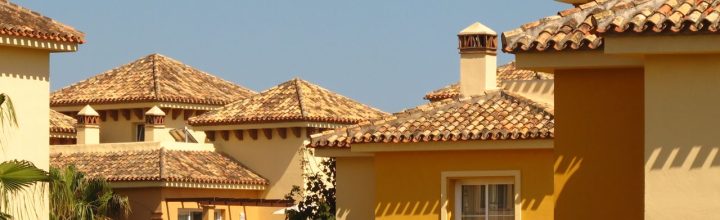
“A house is where you live. Land is where wealth lives.”
Buying a home is one of the biggest financial decisions most Indians will ever make. Yet surprisingly, many people spend months comparing floor plans, paint colours, modular kitchens, and clubhouse amenities, while giving very little thought to the one question that will affect their family’s wealth for generations:
Should I buy an apartment, a villa, or simply buy a plot and build my own home?
The answer isn’t the same for everyone.
A young IT professional working in Bangalore’s Whitefield may find an apartment to be the perfect choice. A family looking for peace and privacy may prefer a villa. An investor thinking 30 years ahead may discover that buying land creates far greater wealth than buying a building.
Every option has advantages. Every option has compromises.
Understanding those trade-offs before signing the sale agreement can save you from years of regret—or create decades of financial security.
Bangalore: A City That Perfectly Demonstrates Every Real Estate Choice
Bangalore is perhaps India’s best example of how different real estate investments perform over time.
Over the past three decades, the city has transformed from a peaceful pensioners’ paradise into India’s technology capital. New Metro lines, IT parks, airports, ring roads, expressways, and business districts have continuously pushed the city’s boundaries outward.
Areas like Whitefield, Electronic City, Sarjapur Road, Bellandur, Hebbal, Yelahanka, Devanahalli, Kanakapura Road, Hennur, and North Bangalore have all witnessed massive growth—though not always in the same way.
Some apartments doubled in value.
Some villas appreciated several times.
But in many cases, the biggest winners were people who simply owned land before development arrived.
This is why understanding the difference between owning a building and owning land is so important.
What Are You Actually Buying?
Many first-time buyers believe they are purchasing “a house.”
Legally, the answer is more complicated.
When buying an apartment, you primarily own the flat and a small undivided share (UDS) of the land beneath the entire project.
When buying a villa, you usually own both the villa and the individual plot on which it stands, especially in freehold gated villa communities.
When buying a plot, you own only the land until you decide to build.
This distinction may seem minor today.
Fifty years from now, it could determine how much wealth your family possesses.
Apartments – The Most Popular Choice
Walk through any major Bangalore suburb and towering apartment complexes dominate the skyline.
Thousands of professionals prefer apartments because they solve several practical problems.
Security is available around the clock.
Maintenance is handled by professionals.
Power backup, water management, landscaped gardens, children’s parks, gyms, swimming pools, jogging tracks, supermarkets, pharmacies, salons, cafés, clubhouses, co-working spaces and sports facilities are all within walking distance.
Modern integrated townships have taken this concept even further.
Some developments now include schools, hospitals, office buildings, shopping malls, multiplexes, hotels, restaurants and even business districts—creating an entire “city within a city.”
Residents can spend days without needing to leave the township.
For busy families, this convenience is difficult to match.
Who Should Buy an Apartment?
Apartments make excellent sense for:
- Young professionals
- Newly married couples
- Nuclear families
- Senior citizens wanting easy maintenance
- NRIs who stay in India only occasionally
- People who travel frequently
- Buyers with limited budgets
- Investors looking for rental income
- Those who prefer community living
If your work keeps you occupied for most of the day, maintaining an independent property can become stressful.
An apartment allows someone else to manage almost everything.
The Hidden Reality of Apartments
Despite their popularity, apartments have limitations that many buyers ignore.
You don’t completely own the land.
Your ownership is divided among hundreds of residents.
Privacy is limited.
Neighbours live above, below and beside you.
Noise travels.
Parking disputes occur.
Maintenance charges continue to increase every year.
Association rules may limit renovations, pets, business activities, parking, and even balcony modifications.
Many people happily accept these compromises because convenience outweighs inconvenience.
Others eventually seek more independence.
Do Apartments Have a Lifespan?
One question almost nobody asks while buying a ₹2 crore apartment is:
“How long will this building actually last?”
Every structure has a design life.
A well-constructed reinforced concrete building may safely serve for many decades if maintained properly.
However, weather, moisture, corrosion, changing building standards, earthquakes, poor maintenance and ageing eventually reduce structural integrity.
This doesn’t mean apartments suddenly become unsafe after a fixed number of years.
Many older buildings continue functioning well because residents maintain them properly.
Others deteriorate much earlier due to neglect.
Eventually, redevelopment becomes economically attractive.
What Happens When an Apartment Is Redeveloped?
This is where ownership becomes interesting.
Contrary to popular belief, builders cannot simply demolish your apartment whenever they wish.
The land belongs collectively to all apartment owners through their undivided share.
If redevelopment is proposed decades later, residents generally negotiate with developers.
Typically, owners may receive:
- A newly constructed apartment.
- Temporary rent while reconstruction occurs.
- Additional area if permitted by development regulations.
- Monetary compensation.
- Parking improvements.
- Modern amenities.
The exact outcome depends on local laws, development potential, zoning regulations and negotiations.
Sometimes residents benefit greatly because newer regulations allow builders to construct additional floors.
The builder profits by selling these additional apartments.
Residents receive upgraded homes.
Both parties benefit.
Do Apartment Owners Lose Their Land?
No.
Owners continue holding their undivided share of land.
However, because ownership is shared among hundreds of families, nobody can independently decide what happens to that land.
Collective decisions become necessary.
This is one reason apartment ownership differs significantly from owning an independent property.
Does the Builder Own the Land Forever?
Absolutely not.
Once the project is completed, legal possession transferred, and the association formed, the builder generally has no continuing ownership rights over the land unless specific contractual rights remain for unsold areas or future development.
Many buyers mistakenly believe the builder permanently owns the property.
That is incorrect.
Villas – Space, Freedom and Privacy
Now imagine waking up without hearing footsteps from the floor above.
No lift waiting.
No shared walls.
No neighbour dragging furniture at midnight.
No arguments over parking.
No association restricting every modification.
This is why many successful entrepreneurs, senior executives, doctors and business owners eventually move into villas.
A villa offers something apartments rarely can:
Freedom.
Who Should Buy a Villa?
A villa is ideal for people who:
- Want privacy.
- Prefer quiet surroundings.
- Have children needing outdoor space.
- Own pets.
- Work from home.
- Entertain guests frequently.
- Value independence.
- Plan to stay for decades.
- Can comfortably afford higher maintenance.
Although villas cost considerably more, many buyers consider the lifestyle worth every rupee.
Do Villa Owners Own the Land?
Usually yes.
In most gated villa communities, buyers own both:
- The villa.
- The plot underneath it.
This is one of the biggest financial advantages of villa ownership.
Land appreciates.
Buildings depreciate.
Over long periods, land often creates much of the wealth.
Do Villas Also Have a Lifespan?
Yes.
The building itself ages just like any structure.
Concrete, plumbing, electrical systems, waterproofing, paint, roofing and interiors eventually require renovation.
But here’s the important difference.
If your villa becomes old after several decades, you still own the land.
You can renovate.
Extend.
Completely rebuild.
Construct a larger home.
Even divide the property for future generations if regulations permit.
Your land continues existing.
The house changes.
Can Builders Redevelop Villa Communities?
Sometimes.
If an entire gated villa community becomes old, owners may collectively choose redevelopment.
Unlike apartments, every villa owner usually owns a clearly defined parcel of land.
Negotiations therefore differ.
Owners often possess stronger bargaining power because individual land ownership is much clearer.
Plot – The Purest Form of Real Estate
There is an old saying among investors:
“Buy land. They’re not making any more of it.”
Buildings can be constructed anywhere.
Land cannot be manufactured.
That is why prime plots in major cities have historically created extraordinary wealth.
Why Do Wealthy Families Continue Buying Land?
Look at many wealthy business families.
Across generations, they continue acquiring land.
Why?
Because land appreciates while buildings slowly depreciate.
Even if an old house becomes worthless, the land beneath it may become extremely valuable.
Entire fortunes have been created simply because families held prime land for decades.
Building Your Own House
Buying a plot gives complete freedom.
You decide:
- Architecture
- Number of floors
- Room sizes
- Home office
- Garden
- Terrace
- Parking
- Home theatre
- Solar panels
- Rainwater harvesting
- Future expansion
No builder decides your layout.
No standard floor plans.
No restrictions on interior design beyond municipal regulations.
Your home truly reflects your family’s personality.
The Challenges of Building Independently
Freedom also brings responsibility.
You must manage:
- Architects
- Structural engineers
- Contractors
- Labour
- Municipal approvals
- Utility connections
- Budget overruns
- Material quality
- Construction delays
Building independently requires time, patience and decision-making.
Not everyone enjoys that responsibility.
The Biggest Advantage of Prime Plots
Location changes everything.
Imagine buying a plot near today’s developing outskirts.
Twenty years later:
A Metro station arrives.
IT companies move in.
Schools open.
Hospitals appear.
Shopping malls follow.
Roads widen.
Suddenly, your once-empty neighbourhood becomes a premium address.
The building may age.
The land becomes increasingly valuable.
That is why experienced investors often say:
“The location matters far more than the structure.”
The Rise of Integrated Townships
Modern developers have transformed the traditional idea of housing.
Instead of building only apartments, many now create complete ecosystems.
These projects may include:
- Schools
- Colleges
- Hospitals
- Shopping malls
- Office parks
- Hotels
- Restaurants
- Sports complexes
- Parks
- Clubhouses
- Lakes
- Walking trails
- Supermarkets
- Banks
- Medical clinics
- Co-working spaces
Residents enjoy unmatched convenience.
For families with children and elderly parents, such ecosystems can significantly improve quality of life.
Convenience itself has become a premium feature.
Investment Perspective
If your objective is rental income, apartments generally perform well because they attract working professionals.
If your objective is long-term appreciation, villas often outperform apartments because land forms a larger portion of the asset.
If your objective is maximum wealth creation over several decades, strategically located plots have historically delivered exceptional returns—provided you choose the right location and can wait patiently.
There is no universal winner.
The right investment depends on your goals.
Lifestyle Perspective
Ask yourself a few honest questions.
Do you enjoy community events?
Do you prefer silence?
Do children need outdoor space?
Will elderly parents live with you?
Do you travel frequently?
Can you maintain a large property?
Are you buying to live or to invest?
Your answers matter more than market trends.
Cost Beyond the Purchase Price
Most buyers focus only on EMI.
They forget the lifetime cost of ownership.
Apartments involve maintenance charges, sinking funds, association fees and periodic upgrades.
Villas involve gardening, security, repairs, landscaping and larger maintenance expenses.
Independent homes require owners to arrange almost everything themselves.
The cheapest purchase is not always the cheapest property over thirty years.
What About Future Generations?
Real estate is often inherited.
Think beyond your own lifetime.
Will your children value privacy?
Will they wish to redevelop?
Will the property generate rental income?
Can it be divided?
Will maintenance become difficult?
The best property is not always the one with the biggest clubhouse.
Sometimes it is the one giving future generations the greatest flexibility.
So…Which One Should You Buy?
Buy an apartment if you value convenience, security, community living, rental demand and lower initial investment.
Buy a villa if you value privacy, space, independence, better land ownership and a premium lifestyle.
Buy a plot if you have patience, long-term vision, and the desire to create a customised home while potentially benefiting from the appreciation of land.
None of these choices is universally superior.
They simply suit different lives.
Final Thoughts
Perhaps the biggest misconception in Indian real estate is believing that bigger buildings automatically create greater wealth.
History repeatedly suggests otherwise.
Buildings age.
Paint fades.
Pipes corrode.
Tiles crack.
Elevators become obsolete.
Technology changes.
Architecture evolves.
But well-located land continues telling a different story.
This does not mean everyone should rush to buy plots or avoid apartments. Apartments have transformed urban living by making security, convenience, community, and amenities accessible to millions. Villas offer a rare combination of comfort and ownership that appeals to those seeking a quieter lifestyle. Independent homes on plots provide unmatched freedom but demand greater responsibility.
The smartest buyers are not those who purchase the most expensive property. They are the ones who understand what they are truly buying.
Are you purchasing a lifestyle?
An investment?
Rental income?
Peace of mind?
Status?
Freedom?
Or a legacy that your children and grandchildren will one day inherit?
The answer to that question matters far more than the number of bedrooms, the size of the clubhouse, or the brand of the developer.
At the end of the day, real estate is not merely about concrete, glass, steel, or square feet.
It is about time.
The longer you own the right property in the right location, the more likely it is to reward patience.
In cities like Bangalore, where infrastructure, employment, and urban expansion continue reshaping the landscape, today’s outskirts may become tomorrow’s premium addresses. The buyers who think beyond today’s market prices—and instead focus on ownership, land value, quality of life, and long-term vision—are often the ones who build lasting wealth.
Because while homes give us shelter, well-chosen real estate has the potential to shape the financial future of generations yet to come.
Comments

Hi, I’m Nishanth Muraleedharan (also known as Nishani)—an IT engineer turned internet entrepreneur with 25+ years in the textile industry. As the Founder & CEO of "DMZ International Imports & Exports" and President & Chairperson of the "Save Handloom Foundation", I’m committed to reviving India’s handloom heritage by empowering artisans through sustainable practices and advanced technologies like Blockchain, AI, AR & VR. I write what I love to read—thought-provoking, purposeful, and rooted in impact. nishani.in is not just a blog — it's a mark, a sign, a symbol, an impression of the naked truth. Like what you read? Buy me a chai and keep the ideas brewing. ☕💭 For advertising on any of our platforms, WhatsApp me on : +91-91-0950-0950 or email me @ support@dmzinternational.com