
The White Food Trap: Why Switching to Brown Doesn’t Automatically Make You Healthy
But here is the uncomfortable truth: white does not automatically mean unhealthy, and brown does not automatically mean healthy. What matters is the ingredients, the degree of processing, the fibre content, the quantity consumed and the overall nutritional value.
First, the White Foods We Should Reduce or Avoid
1. Maida: The Everyday Ingredient Hiding Everywhere
Maida, or refined wheat flour, is widely used in India to prepare samosas, naan, bhatura, biscuits, cakes, pastries, white bread, noodles, pizza bases, burgers and many bakery products.
During refining, much of the wheat’s fibre-rich bran and germ is removed. Maida-based foods are often low in fibre, and many contain considerable amounts of salt, sugar or unhealthy fats. Eating them frequently can make it harder to manage blood sugar, weight and overall diet quality.
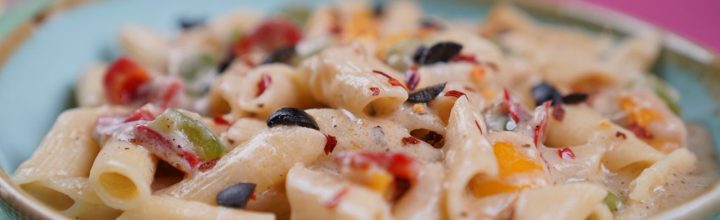
Pizza, pasta and noodles are not automatically unhealthy simply because they are white. However, refined-flour versions eaten frequently, particularly with oversized portions, creamy sauces, processed meat or excessive cheese, can contribute to an unhealthy dietary pattern.
The smarter choice: Choose whole-wheat or other whole-grain alternatives more often, and favour meals containing vegetables, pulses and adequate protein.
2. White Sugar: Sweetness Without Meaningful Nutrition
White sugar supplies calories but virtually no essential nutrients. Excessive consumption, especially through sugary drinks, sweets, desserts and packaged snacks, can contribute to weight gain, tooth decay and increased risk of metabolic problems.
The problem is not just the teaspoon added to tea. It is also the hidden sugar in biscuits, breakfast cereals, sauces, flavoured drinks and packaged foods.
3. White Bread and Refined Breakfast Cereals
Many white breads and refined cereals contain less fibre than whole-grain alternatives. Some breakfast cereals also contain substantial added sugar. Eating these foods alone may leave you hungry sooner than a balanced meal containing fibre and protein.
4. White Rice: Not the Same as Maida
Here is where we must be careful. White rice is a refined grain, and it generally contains less fibre than brown rice. However, it is not inherently toxic or something everyone must quit. Rice can be part of a healthy Indian diet when portions are appropriate and meals include vegetables, dal, pulses and protein.
The same applies to foods such as potatoes and milk: their white colour does not make them unhealthy.
Now Comes the Brown Food Business
The moment consumers began questioning refined foods, the market discovered an opportunity. Supermarket shelves now offer brown sugar, brown bread, brown pasta, brown rice, whole-wheat biscuits, multigrain snacks and products marketed as natural, organic or healthy.
Some are genuinely better choices. Others are little more than clever marketing.
1. Brown Sugar vs White Sugar
Brown sugar contains molasses, which gives it its colour and characteristic flavour. But its nutritional advantage over white sugar is negligible. Both are added sugars, and both should be limited.
Replacing white sugar with brown sugar while continuing to consume the same quantity does not meaningfully solve the problem.
2. Brown Bread vs White Bread
This comparison depends on the ingredients. Bread labelled brown may simply contain refined flour with added colour, molasses or other ingredients. It is not necessarily whole grain.
Look for bread that lists whole-wheat flour or whole grains prominently in the ingredients. Check the fibre content and added sugar rather than trusting the colour.
3. Brown Pasta vs White Pasta
Brown pasta made from whole-wheat flour generally contains more fibre than conventional refined-wheat pasta. That is a real nutritional difference, not merely a colour difference.
However, a product labelled brown is not automatically whole grain. Check its ingredients. Even whole-wheat pasta can become part of an unbalanced meal when portions are excessive and sauces are loaded with cream, salt and saturated fat.
4. Brown Rice vs White Rice
Brown rice retains its bran and germ, generally providing more fibre and some additional nutrients. White rice is lower in fibre but can still fit into a balanced diet.
Brown rice is often a useful choice, particularly for people seeking more fibre, but it is not a magical weight-loss food. Portion size, preparation and the rest of the meal still matter.
5. Brown Biscuits, Brown Sugar Products and Multigrain Snacks
A biscuit does not become healthy simply because it is brown. It may still contain refined flour, added sugar, palm oil or other fats, and considerable calories.
Likewise, multigrain does not necessarily mean whole grain. A product can contain several types of refined grains without offering the benefits consumers expect.
Read the ingredient list, fibre content, added sugar and saturated fat. Marketing words are not nutritional evidence.
What Should Indians Actually Quit?
Instead of declaring war on every white food, focus on habits that make the biggest difference:
- Reduce sugary drinks, excessive sweets and frequent desserts.
- Cut down on biscuits, cakes, pastries and packaged bakery snacks.
- Limit frequent consumption of maida-heavy fast food, deep-fried snacks and refined-flour noodles.
- Replace refined grains with whole grains where practical.
- Avoid treating brown sugar, jaggery, honey and similar sweeteners as unlimited or automatically healthy alternatives.
- Reduce highly processed foods that combine excess salt, added sugar and unhealthy fats.
You do not need to eliminate every favourite food forever. Frequency, portion size and the overall quality of your diet matter more than food-colour rules.
The Real Question: Are We Buying Health or Just a Colour?
The food industry is not always selling us better nutrition. Sometimes, it is selling us reassurance. We buy brown sugar and feel better about our tea. We buy brown biscuits and feel better about our snacks. We choose a brown packet labelled natural and assume the health problem has disappeared.
But our bodies do not read packaging claims. They respond to what we actually eat.
A whole-grain product can offer genuine benefits. A brown product made primarily from refined ingredients may not. White rice can fit into a healthy diet, while an excessively sugary brown biscuit can still be a poor everyday choice.
The lesson is simple: stop judging food by its colour. Judge it by its ingredients, nutritional value, portion size and how often you eat it.
Don’t replace white with brown blindly. Replace poor dietary habits with better ones. Because the most expensive mistake in healthy eating is paying more for a product that makes you feel healthier without meaningfully improving your diet.
Comments

Hi, I’m Nishanth Muraleedharan (also known as Nishani)—an IT engineer turned internet entrepreneur with 25+ years in the textile industry. As the Founder & CEO of "DMZ International Imports & Exports" and President & Chairperson of the "Save Handloom Foundation", I’m committed to reviving India’s handloom heritage by empowering artisans through sustainable practices and advanced technologies like Blockchain, AI, AR & VR. I write what I love to read—thought-provoking, purposeful, and rooted in impact. nishani.in is not just a blog — it's a mark, a sign, a symbol, an impression of the naked truth. Like what you read? Buy me a chai and keep the ideas brewing. ☕💭 For advertising on any of our platforms, WhatsApp me on : +91-91-0950-0950 or email me @ support@dmzinternational.com