
A Tight Slap on the Indian Education System: A Tale of Two Inspiring Leaders
The stories of Nikhil Kamath, the co-founder of Zerodha, and Prime Minister Narendra Modi highlight how success is not always tied to formal education. These two individuals, who come from vastly different backgrounds, challenge the traditional belief that academic qualifications are the sole path to achievement.

- On one side: Nikhil Kamath, a 10th-grade dropout, co-founded Zerodha, a company now valued at over ₹66,000 crores (around $8 billion). Zerodha has transformed the way millions of Indians trade in the stock market.
- On the other: Narendra Modi, who started as a tea seller, now serves as the Prime Minister of India, leading the world’s fifth-largest economy by nominal GDP and third-largest by purchasing power parity (PPP).
Their stories spark important questions about our education system, especially when millions of degree-holders struggle to find jobs or opportunities. What is the system missing, and how can it better prepare students for real-world success?
The Journey of Nikhil Kamath

Nikhil Kamath’s story is one of resilience and self-belief. Born in 1986 in Karnataka, Nikhil showed an early interest in finance but didn’t fit into the traditional education mold. He dropped out of school after the 10th grade, disillusioned by the rigid and theoretical nature of formal education.
At the age of 17, Nikhil began trading in the stock market. Despite initial failures, he gained deep insights into the trading world, focusing on long-term strategies and risk management. In 2010, he co-founded Zerodha with his brother, Nithin Kamath, to simplify stock trading in India.
Zerodha disrupted the stockbroking industry with its zero-commission model and user-friendly platform. It now serves over 1 crore active clients, making it India’s largest stockbroker. Nikhil’s success is a testament to self-learning, discipline, and innovation.
The Rise of Narendra Modi

Prime Minister Narendra Modi’s journey from a tea seller to the highest office in India is equally inspiring. Born in 1950 in Vadnagar, Gujarat, Modi grew up in a modest household and helped his father sell tea at a railway station. Despite economic hardships, he displayed leadership skills and a strong sense of service from a young age.
Modi began his political career with the Rashtriya Swayamsevak Sangh (RSS) and rose through the ranks of the Bharatiya Janata Party (BJP). As the Chief Minister of Gujarat, he focused on industrial growth and governance. In 2014, Modi became the Prime Minister of India, introducing bold reforms like Digital India, Make in India, and Jan Dhan Yojana, which have left a significant impact on the country.
Modi’s leadership style and ability to connect with the masses highlight how passion and determination can outweigh academic credentials.
What These Stories Teach Us About the Indian Education System
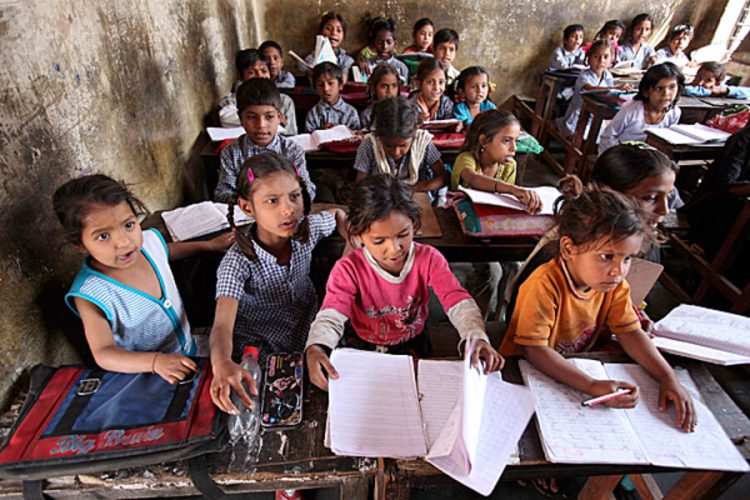
The success of Nikhil Kamath and Narendra Modi reveals glaring issues in the traditional education system:
- Marks Over Skills:
The current system rewards rote learning and grades rather than practical skills. Nikhil’s journey shows how real-world skills like financial literacy and strategic thinking can drive success. - Lack of Real-World Readiness:
Schools and colleges rarely prepare students for the challenges of the real world. Millions of degree-holders struggle to find jobs because they lack the skills that industries demand. - Discouragement of Non-Traditional Paths:
Students who take unconventional routes often face societal judgment. Modi’s rise proves that leadership, dedication, and vision can lead to success, even without formal education. - Focus on Jobs, Not Entrepreneurship:
The system encourages students to seek stable jobs rather than think creatively or start businesses. Nikhil’s entrepreneurial success highlights the need for a mindset shift.
How the Education System Can Change
To remain relevant, the education system must evolve to meet modern challenges. Here’s what needs to change:
- Focus on Skill Development:
Introduce courses on financial literacy, entrepreneurship, and critical thinking from an early age. - Encourage Creativity:
Provide opportunities for students to explore innovative ideas without fear of failure. - Recognize Different Success Stories:
Celebrate achievements outside traditional career paths, such as arts, sports, and entrepreneurship. - Integrate Practical Learning:
Partner with industries to provide internships and real-world exposure to students.
A Wake-Up Call

The stories of Nikhil Kamath and Narendra Modi challenge the conventional wisdom that academic success guarantees a bright future. Their achievements remind us that ambition, grit, and the willingness to think differently can lead to extraordinary outcomes.
These stories are a wake-up call for the education system. Instead of stifling creativity and ambition, it must nurture and empower students to succeed in diverse ways. If it doesn’t, it risks failing not just individuals but entire generations.
What do you think? Is the Indian education system ready for a change? Let’s start the conversation!
Comments

Hi, I’m Nishanth Muraleedharan (also known as Nishani)—an IT engineer turned internet entrepreneur with 25+ years in the textile industry. As the Founder & CEO of "DMZ International Imports & Exports" and President & Chairperson of the "Save Handloom Foundation", I’m committed to reviving India’s handloom heritage by empowering artisans through sustainable practices and advanced technologies like Blockchain, AI, AR & VR. I write what I love to read—thought-provoking, purposeful, and rooted in impact. nishani.in is not just a blog — it's a mark, a sign, a symbol, an impression of the naked truth. Like what you read? Buy me a chai and keep the ideas brewing. ☕💭 For advertising on any of our platforms, WhatsApp me on : +91-91-0950-0950 or email me @ support@dmzinternational.com