
Byju’s Big Scam: How Billions Went Missing and Investors Got Cheated
Byju’s, once celebrated as India’s premier edtech unicorn, has recently been embroiled in a series of controversies that have tarnished its reputation both domestically and internationally. The company’s meteoric rise has been overshadowed by allegations of financial mismanagement, legal battles, and strained relationships with investors.
Byju’s Money Maze
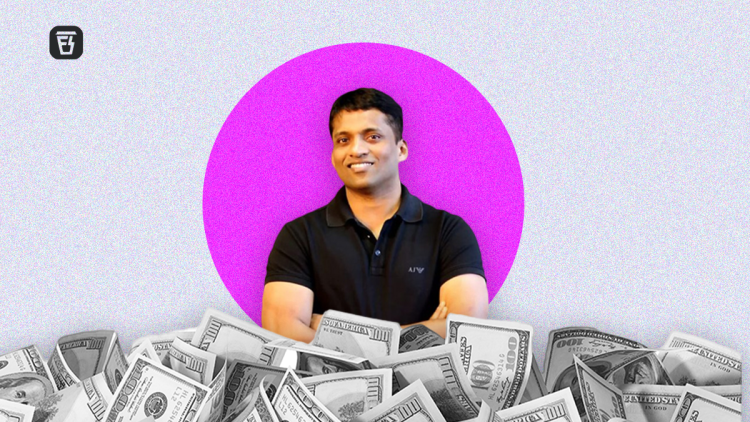
In 2022, Byju’s secured a substantial $1.2 billion loan from U.S. lenders, intending to fuel its expansion into the American edtech market. This loan was collateralized using its U.S.-based subsidiaries, Epic! Creations and Tangible Play (Osmo). However, the anticipated acquisitions did not materialize, and a significant portion of the funds, approximately $533 million, became unaccounted for. Investigations revealed that this sum was transferred to Camshaft Capital Fund, a relatively obscure Florida-based hedge fund. Subsequent attempts to trace the money led to a complex web of offshore entities, leaving lenders in the dark about its final destination.
Legal Repercussions
The opacity surrounding the missing funds prompted legal action. A U.S. Bankruptcy Court appointed a trustee to oversee the operations of Epic! and Osmo, aiming to preserve assets for the creditors. In response, Byju’s executives allegedly orchestrated unauthorized transfers of software, cash, and other assets from these subsidiaries, actions that were deemed contemptuous by the court. Notably, Byju’s manager, Vinay Ravindra, and business associate, Rajendran Vellapalath, were held in contempt and faced daily fines of $25,000 for non-compliance with court orders.
Allegations of Internal Misconduct
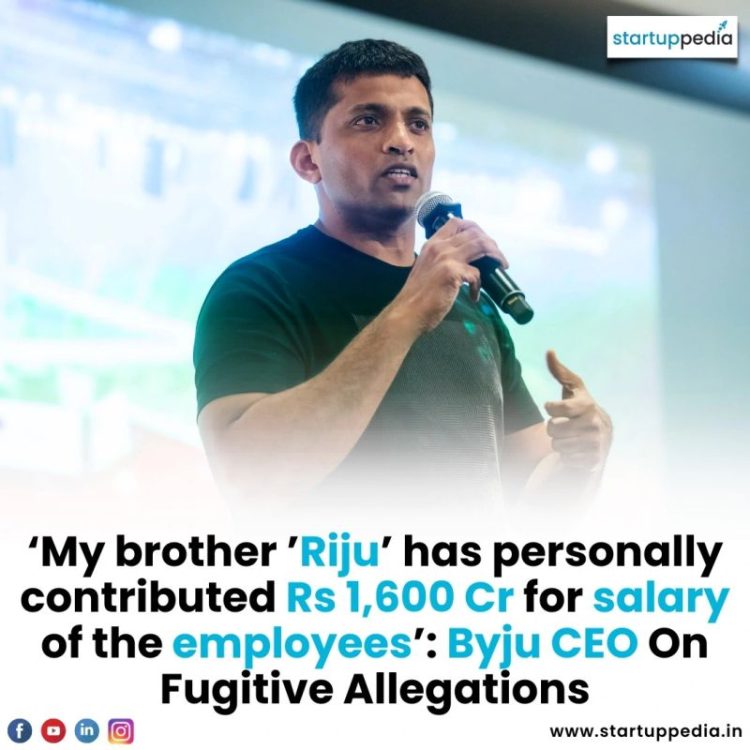
Further complicating matters, Byju Raveendran’s brother, Riju Ravindran, who served as a director within the company, was accused of facilitating the diversion of the $533 million. A U.S. bankruptcy judge imposed a daily fine of $10,000 on Riju until he disclosed the whereabouts of the funds. These developments have intensified scrutiny over the Raveendran family’s role in the company’s financial dealings.
Investor Relations and Corporate Governance
The controversies have strained Byju’s relationships with its investors. Prominent backers such as General Atlantic, Prosus, Peak XV, and Sofina have expressed concerns over the company’s governance and financial practices. These investors, collectively holding a significant stake in Byju’s, have approached India’s Supreme Court to voice their apprehensions, highlighting the gravity of the situation.
Current Status and Future Prospects
As of now, Byju’s is grappling with multiple legal challenges across jurisdictions. The company’s valuation has plummeted from its peak of $22 billion to below $2 billion, reflecting eroded investor confidence. Founder Byju Raveendran faces a formidable task in navigating the company through this tumultuous period. The outcome of ongoing legal proceedings and the company’s ability to restore trust among stakeholders will be pivotal in determining its future trajectory.
Conclusion
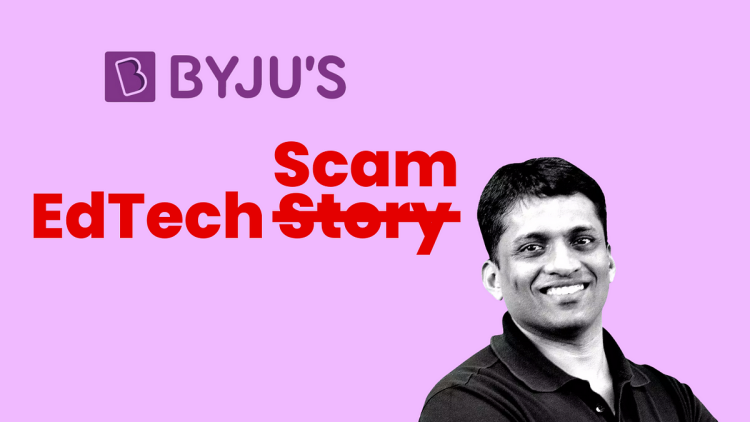
Byju’s journey from a celebrated startup to a company mired in controversy serves as a cautionary tale about the perils of rapid expansion without robust governance. The allegations of financial impropriety and the ensuing legal battles underscore the importance of transparency and accountability in corporate operations. As the situation unfolds, it remains to be seen whether Byju’s can reclaim its standing and serve as a model for ethical business practices in the startup ecosystem.
Comments

Hi, I’m Nishanth Muraleedharan (also known as Nishani)—an IT engineer turned internet entrepreneur with 25+ years in the textile industry. As the Founder & CEO of "DMZ International Imports & Exports" and President & Chairperson of the "Save Handloom Foundation", I’m committed to reviving India’s handloom heritage by empowering artisans through sustainable practices and advanced technologies like Blockchain, AI, AR & VR. I write what I love to read—thought-provoking, purposeful, and rooted in impact. nishani.in is not just a blog — it's a mark, a sign, a symbol, an impression of the naked truth. Like what you read? Buy me a chai and keep the ideas brewing. ☕💭 For advertising on any of our platforms, WhatsApp me on : +91-91-0950-0950 or email me @ support@dmzinternational.com