
Union Budget 2025: Key Highlights and Developments
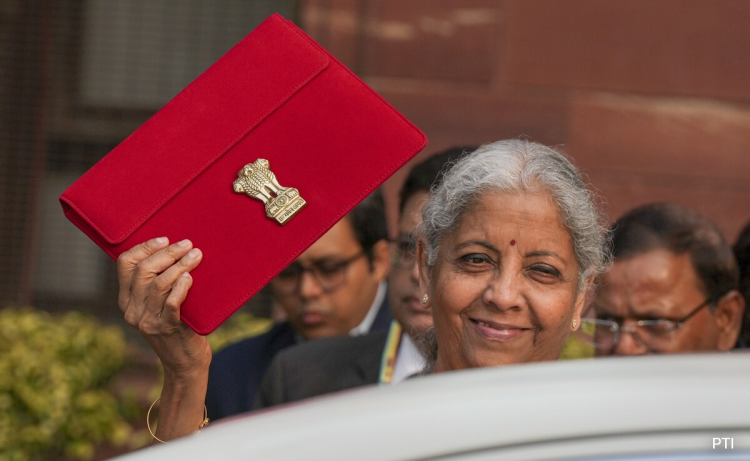
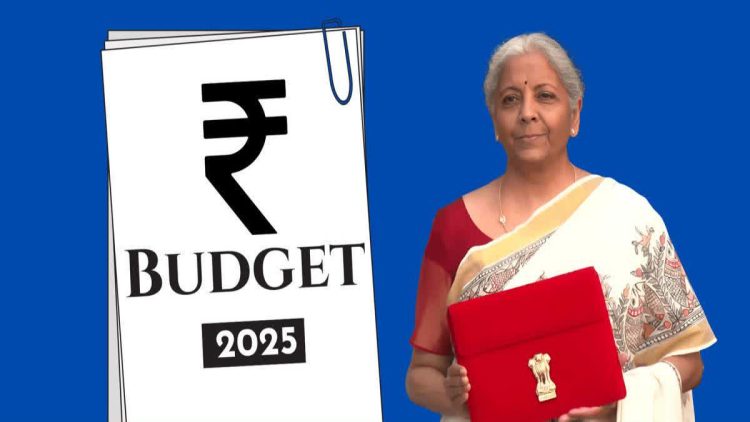
On February 1, 2025, Finance Minister Nirmala Sitharaman presented India’s Union Budget for the fiscal year 2025-26. This budget, the first full financial plan of Prime Minister Narendra Modi’s third term, introduced significant changes aimed at stimulating economic growth and supporting various sectors of society.
Major Announcements:
1. Income Tax Reforms:
– Increased Tax Exemption Limit: The budget raised the income tax exemption threshold to ₹12 lakh per annum. Additionally, with a standard deduction of ₹75,000, individuals earning up to ₹12.75 lakh will not be liable to pay income tax.
– Revised Tax Slabs: For incomes above ₹12.75 lakh, new tax slabs were introduced:
– ₹4 lakh to ₹8 lakh: 5%
– ₹8 lakh to ₹12 lakh: 10%
– ₹12 lakh to ₹16 lakh: 15%
– ₹16 lakh to ₹20 lakh: 20%
– ₹20 lakh to ₹24 lakh: 25%
– Above ₹24 lakh: 30%
2. Agricultural Initiatives:
– PM Dhan-Dhaanya Krishi Yojana: A new scheme targeting 1.7 crore farmers across 100 districts with low productivity.
– Mission for Aatmanirbharta in Pulses: A six-year mission focusing on self-reliance in pulses like Tur, Urad, and Masoor to boost domestic production and ensure fair prices for farmers.
– Enhanced Credit for Farmers: The loan limit for Kisan Credit Cards was increased to ₹5 lakh, benefiting farmers, fishermen, and dairy farmers.
3. Support for Entrepreneurs:
– Scheme for First-time Entrepreneurs: A new initiative offering term loans up to ₹2 crore over the next five years to 5 lakh women and individuals from Scheduled Castes and Scheduled Tribes.
4. Focus on Innovation and Research:
– Research, Development & Innovation: An allocation of ₹20,000 crore to implement a private sector-driven research and development initiative.
– PM Research Fellowship: Provision of 10,000 fellowships for technological research in IITs and IISc.
– Gene Bank for Crops Germplasm: Establishment of a second gene bank housing 10 lakh germplasm lines to ensure future food and nutritional security.
5. Trade and Industry Support:
– Incentives for Electronics and EVs: Exemptions granted for components like open cells used in LED/LCD TVs and capital goods for lithium-ion batteries used in mobile phones and electric vehicles.
– Promotion of Maintenance, Repair, and Overhaul (MRO): A 10-year exemption on goods used for shipbuilding and ships meant for breaking.
– Leather Goods: Full exemption of basic customs duties on wet blue leather to promote domestic consumption and enhance exports.
Challenges in Implementation:
Implementing these reforms posed challenges, particularly in balancing fiscal responsibility with the goal of stimulating economic growth. The significant tax cuts aimed at increasing disposable income raised concerns about potential reductions in government revenue and the impact on public spending. Additionally, the need to ensure that increased spending translates into tangible economic benefits without leading to inflationary pressures was a critical consideration.
Reactions from Political Parties and Leaders:
– Government’s Stance: Prime Minister Narendra Modi emphasized that the budget focuses on increasing savings for people, aiming to boost consumption and stimulate economic growth.
– Opposition’s Critique: Opposition parties criticized the budget, labeling it as a “betrayal” of the poor and unemployed. They argued that it lacked new ideas and did not adequately address the needs of common people, suggesting that it was primarily designed to woo the middle class and certain voter bases.
Economic Outlook Post-Budget:
The budget’s focus on tax cuts is expected to boost consumption, which constitutes about 60% of India’s GDP. Top executives anticipate increased demand across various sectors, including consumer goods, automobiles, and real estate. However, concerns have been raised about the potential impact on capital expenditure and the need for deeper structural reforms to sustain long-term growth.
Conclusion:
The Union Budget 2025 introduces significant reforms aimed at stimulating economic growth, supporting the middle class, and promoting innovation. While it has been lauded for its progressive measures, challenges remain in ensuring effective implementation and addressing concerns raised by various stakeholders. The coming months will be crucial in assessing the budget’s impact on India’s economic trajectory.
For a detailed analysis of the budget announcements, you can watch the following video:
Comments

Hi, I’m Nishanth Muraleedharan (also known as Nishani)—an IT engineer turned internet entrepreneur with 25+ years in the textile industry. As the Founder & CEO of "DMZ International Imports & Exports" and President & Chairperson of the "Save Handloom Foundation", I’m committed to reviving India’s handloom heritage by empowering artisans through sustainable practices and advanced technologies like Blockchain, AI, AR & VR. I write what I love to read—thought-provoking, purposeful, and rooted in impact. nishani.in is not just a blog — it's a mark, a sign, a symbol, an impression of the naked truth. Like what you read? Buy me a chai and keep the ideas brewing. ☕💭 For advertising on any of our platforms, WhatsApp me on : +91-91-0950-0950 or email me @ support@dmzinternational.com