
A Genetic Breakthrough in Pennsylvania: How an Indian-Origin Doctor Rewrote a Baby’s DNA and Changed the Future of Medicine
🧬In a stunning leap for modern science, a 15-month-old baby named KJ Muldoon from Pennsylvania has become the first human being in the world to be successfully treated with a personalized gene-editing therapy—a feat made possible by a revolutionary CRISPR-based technique and the brilliance of Indian-origin cardiologist Dr. Kiran Musunuru.
This is not just a medical achievement. This is the dawn of a new era, where diseases that once claimed lives without mercy may now be erased at the genetic level.
🧒 The Baby Who Defied a Genetic Death Sentence
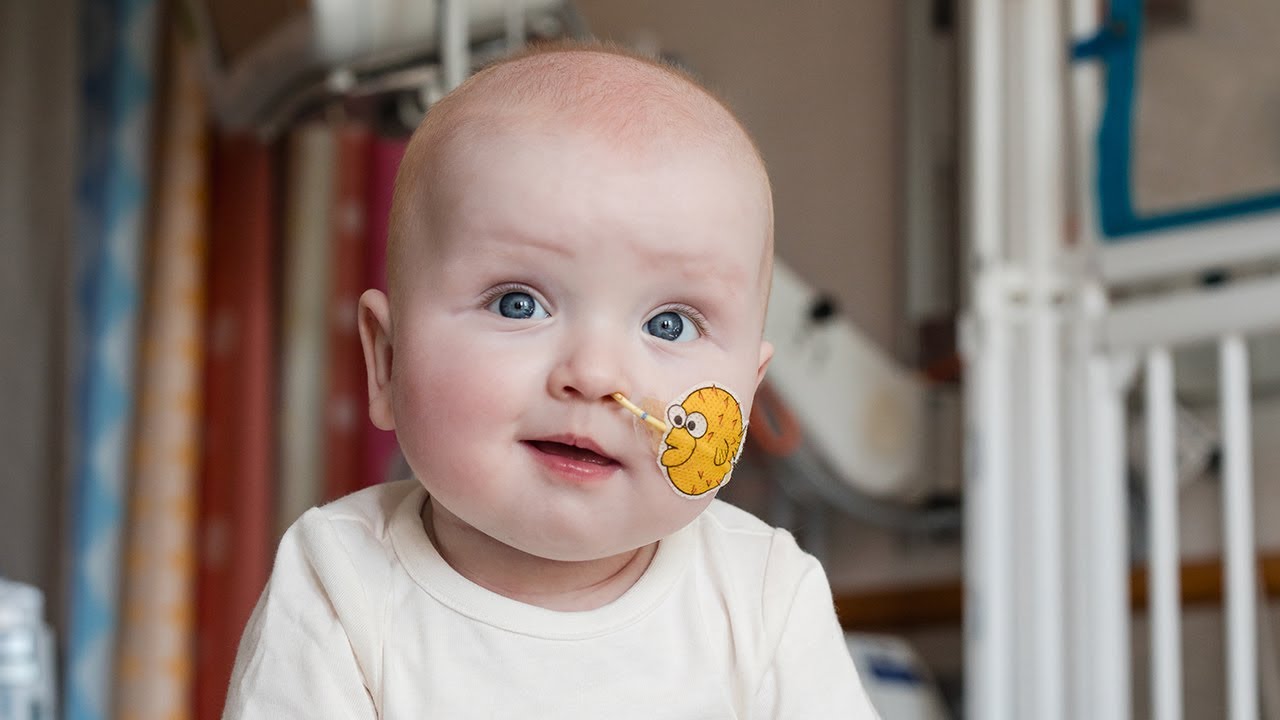
Born with carbamoyl phosphate synthetase 1 (CPS1) deficiency, KJ faced a grim future. This ultra-rare disorder, affecting only about 1 in 1.3 million people, disables the body’s ability to safely process ammonia into urea. The buildup of ammonia in the blood can lead to lethargy, brain damage, coma, or even death. Traditional treatments include extreme protein-restrictive diets, heavy medications, and—at best—a liver transplant with risky outcomes.
But for KJ, science had a better answer.
🧪 The Power of Precision: Gene Editing via CRISPR Base Editing
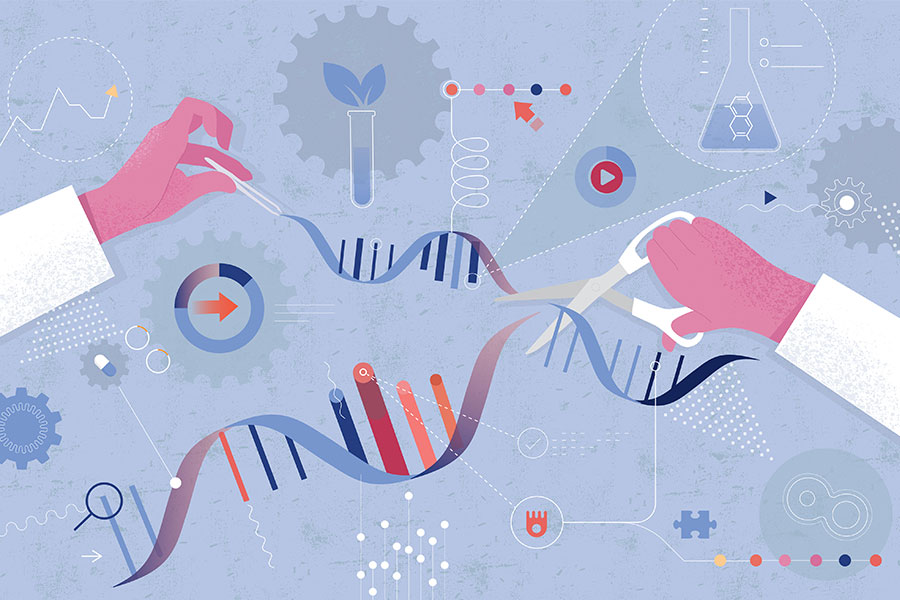
The doctors at Children’s Hospital of Philadelphia (CHOP), in collaboration with Penn Medicine, engineered a customized therapy specifically for KJ using a next-gen CRISPR base editing technique. Unlike traditional CRISPR that cuts DNA, this method corrects genetic mutations by chemically altering a single base in the DNA strand—like correcting a typo in a manuscript without tearing the paper.
The editing material was encapsulated in lipid nanoparticles—tiny fat bubbles designed to target the liver, the source of the malfunction. KJ received three intravenous doses between the ages of 6 and 15 months.
And then… the miracle happened.
KJ began tolerating more protein in his diet. His physical growth improved. He smiled more, played more, and started to thrive. No serious side effects were noted. His body began producing the enzyme needed to break down ammonia—a feat that was previously biologically impossible for him.
👨⚕️ The Mastermind: Dr. Kiran Musunuru
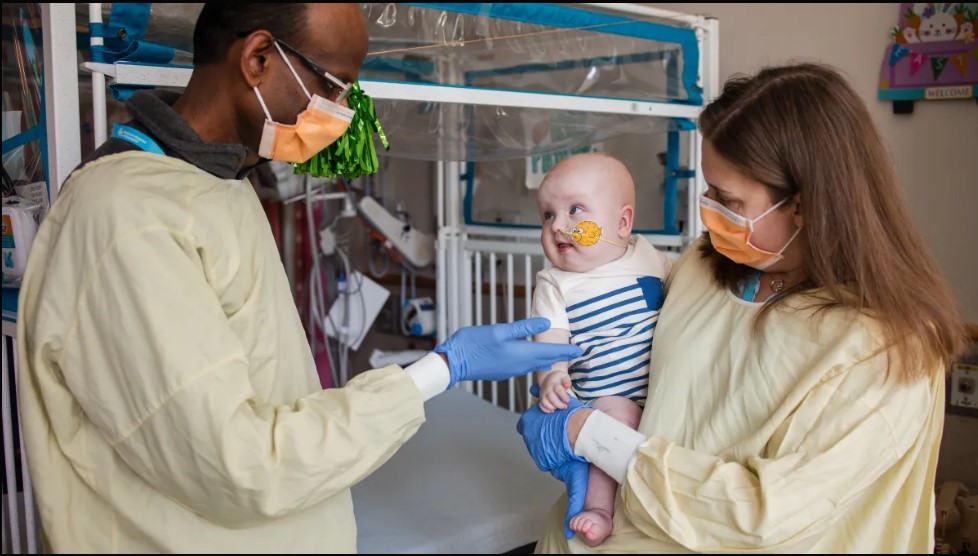
Behind this medical miracle stands Dr. Kiran Musunuru, a name the world will not forget. Born to Indian immigrants from Andhra Pradesh, Dr. Musunuru holds multiple prestigious degrees from Harvard, Rockefeller University, and Weill Cornell Medical College. He is a professor of cardiovascular medicine and genetics at the University of Pennsylvania and is renowned for his pioneering work in genomic medicine.
He is not just a doctor; he is a visionary, who took the dream of editing human diseases at the root—our genes—and turned it into reality. His team developed the therapy in just six months, a record time that showcases the future of hyper-personalized medicine.
🔮 What This Means for the Future of Humanity
The implications of this breakthrough go far beyond one child.
✅ New Hope for Rare Diseases: Over 400 million people globally suffer from rare genetic conditions, most of which have no cure. This personalized approach could change that.
✅ Faster Therapies: This case was developed and deployed in just six months. Imagine the impact if such speed becomes the new standard in genetic medicine.
✅ Expanded Targets: Scientists now believe that conditions like sickle cell anemia, cystic fibrosis, Duchenne muscular dystrophy, Tay-Sachs disease, and even some cancers could be treated using similar methods.
✅ Personalized Medicine at Scale: While this treatment was tailor-made for KJ, future advancements could enable mass production of gene-editing kits for broader diseases.
💰 The Cost Factor: A Life-Saving Miracle or a Luxury?
Though no official figure has been released for KJ’s therapy, similar CRISPR-based treatments like Casgevy for sickle cell disease are priced at around $2 million (₹16.6 crore) per patient. These prices reflect high development and regulatory costs, not just the medicine itself.
The challenge now is to make such life-saving treatments affordable and accessible, especially in countries like India, where millions suffer from rare but treatable genetic conditions without access to advanced care.
Pharma companies, governments, and global health NGOs will need to collaborate to reduce costs, subsidize research, and build the manufacturing ecosystem to produce gene therapies on a national scale.
🌍 A New Chapter Begins

This isn’t just about one child or one doctor. It’s about rewriting the script of human suffering, changing how we view medicine, and challenging the very idea that some diseases are “incurable.”
As Dr. Musunuru put it, this is the future of medicine—personalized, precise, and profoundly powerful.
Today, a baby in Pennsylvania stands proof that even our genes can be healed. Tomorrow, the world may follow.
Comments

Hi, I’m Nishanth Muraleedharan (also known as Nishani)—an IT engineer turned internet entrepreneur with 25+ years in the textile industry. As the Founder & CEO of "DMZ International Imports & Exports" and President & Chairperson of the "Save Handloom Foundation", I’m committed to reviving India’s handloom heritage by empowering artisans through sustainable practices and advanced technologies like Blockchain, AI, AR & VR. I write what I love to read—thought-provoking, purposeful, and rooted in impact. nishani.in is not just a blog — it's a mark, a sign, a symbol, an impression of the naked truth. Like what you read? Buy me a chai and keep the ideas brewing. ☕💭 For advertising on any of our platforms, WhatsApp me on : +91-91-0950-0950 or email me @ support@dmzinternational.com