Aesop: The Man Behind the Fables – The mysterious storyteller whose tales still inspire the world
Who was Aesop?
Aesop (pronounced EE-sop) was an ancient Greek fabulist and storyteller, believed to have lived around 620 BCE to 564 BCE. He is best known for creating a collection of short stories—Aesop’s Fables—that used animals as characters to teach moral lessons.
Despite his fame, very little is factually known about Aesop’s life. Almost everything we know comes from legends, myths, and writings hundreds of years after his death. But that hasn’t stopped him from becoming one of the most influential figures in literature.
🏞️ His Early Life: From Slave to Free Man
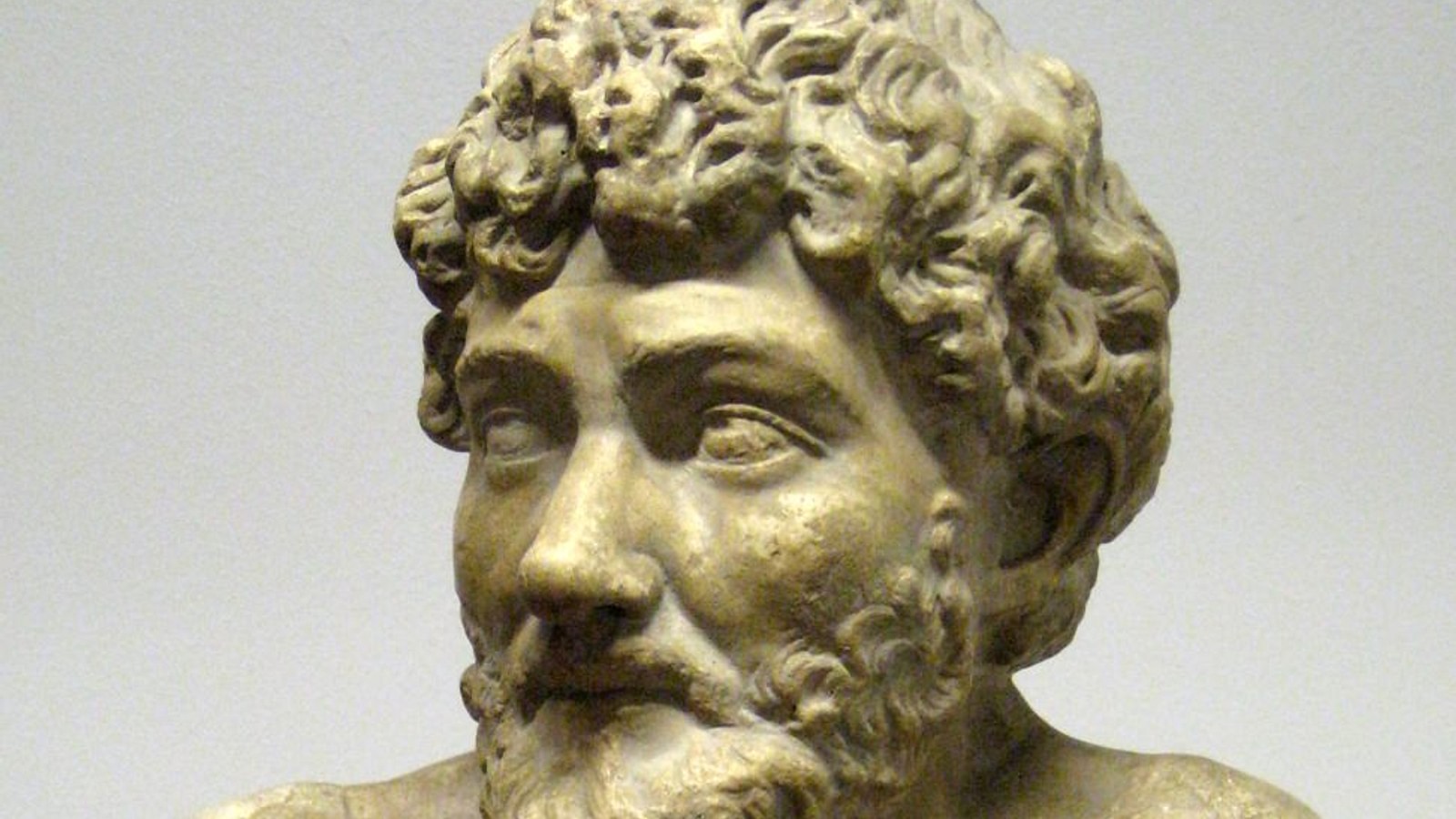
According to tradition, Aesop was born as a slave in ancient Greece, possibly in Thrace, Phrygia (modern-day Turkey), Samos, or Ethiopia (some stories describe him as a black man). He was said to be ugly, deformed, and mute at birth, but incredibly clever.
Through his sharp wit and intelligence, Aesop gained the favor of his masters. Some sources say he served Iadmon of Samos, and later gained his freedom because of his talents as a storyteller and problem solver.
📚 The Power of His Stories
Aesop didn’t write down his fables; they were passed down orally. His stories used animals and nature to reflect human virtues and vices, making them easy to remember and entertaining for audiences of all ages.
Examples of his most famous fables include:
✅ The Tortoise and the Hare – “Slow and steady wins the race.”
✅ The Fox and the Grapes – “It’s easy to despise what you cannot have.”
✅ The Boy Who Cried Wolf – “Liars are not believed even when they speak the truth.”
✅ The Ant and the Grasshopper – “Prepare today for tomorrow’s needs.”
Each story carried a moral lesson, used widely for teaching ethics, wisdom, and common sense across cultures.
🏛️ Aesop’s Time at the Court
One famous legend places Aesop at the court of King Croesus of Lydia, the richest king of his time. The king admired Aesop’s wisdom and sent him on diplomatic missions. Aesop used his storytelling skills not only for entertainment but also to convey political advice in subtle, indirect ways.
⚰️ A Mysterious Death
The end of Aesop’s life is as mysterious as its beginning. Some accounts say he traveled to Delphi on behalf of King Croesus and offended the people by mocking them for their greed and corruption.
In retaliation, the Delphians falsely accused him of stealing a golden cup from the temple of Apollo. He was sentenced to death and, according to legend, thrown off a cliff at Delphi.
Later, the people of Delphi suffered a plague, believed to be punishment from the gods for killing an innocent man. To atone, they erected a statue in Aesop’s honor.
📝 Did Aesop Really Exist?
Historians debate whether Aesop was a real historical figure or a fictional name attached to a body of folktales. Since the earliest records about him appeared centuries after he supposedly lived, some scholars believe “Aesop” might have been a symbol or collective name for various storytellers.
Nevertheless, his name became immortal, with his fables being retold, translated, and adapted into hundreds of languages worldwide.
🌍 Aesop’s Legacy
Today, Aesop’s fables are part of school textbooks, children’s literature, moral philosophy, and popular culture. His influence extends from ancient Greece to modern classrooms, inspiring writers like Jean de La Fontaine, Ambrose Bierce, and even modern cartoonists.
His stories teach that wisdom, humility, and common sense are more powerful than brute strength or wealth—a message that transcends time.
🎭 Fun Facts about Aesop:
- Aesop’s Fables were among the earliest books printed in Europe (after the invention of the printing press).
- The Roman writer Phaedrus and the Greek writer Babrius turned Aesop’s oral tales into written poetry.
- There is an 18th-century statue of Aesop at the Louvre Museum in Paris.
✨ Final Thought
Whether Aesop was a real person or a mythical figure, his stories have left a timeless mark on humanity’s moral imagination. Through the simple actions of foxes, lions, turtles, and crows, Aesop taught lessons that still resonate with readers of all ages.
He reminds us that sometimes, the greatest truths are hidden in the simplest stories.
Comments

Hi, I’m Nishanth Muraleedharan (also known as Nishani)—an IT engineer turned internet entrepreneur with 25+ years in the textile industry. As the Founder & CEO of "DMZ International Imports & Exports" and President & Chairperson of the "Save Handloom Foundation", I’m committed to reviving India’s handloom heritage by empowering artisans through sustainable practices and advanced technologies like Blockchain, AI, AR & VR. I write what I love to read—thought-provoking, purposeful, and rooted in impact. nishani.in is not just a blog — it's a mark, a sign, a symbol, an impression of the naked truth. Like what you read? Buy me a chai and keep the ideas brewing. ☕💭 For advertising on any of our platforms, WhatsApp me on : +91-91-0950-0950 or email me @ support@dmzinternational.com