
Between Fire and Water: The Balance Every Leader Must Master
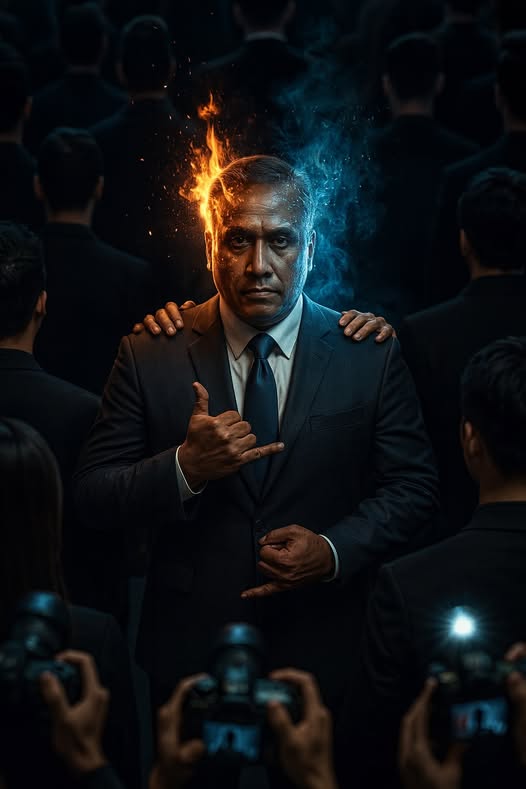
Leadership is often romanticized as raw power—an unyielding flame that burns through obstacles, or an unshakable river that erodes resistance with time. But in reality, neither extreme wins. A leader who is all fire consumes themselves in rage, and one who is all water risks dissolving into passivity.
The true strength of leadership lies not in resisting these forces, but in mastering their balance.
Fire: The Spark of Vision and Courage
Fire symbolizes energy, passion, and the courage to take bold decisions. Leaders need this flame to ignite movements, challenge injustice, and inspire people to believe in something bigger than themselves. Without fire, there is no momentum—only stagnation.
But unchecked fire can burn trust, scorch relationships, and leave behind ashes where collaboration should thrive. A leader who leads only with fire often commands fear, not respect.
Water: The Flow of Patience and Adaptability
Water, on the other hand, represents calm, adaptability, and patience. It is the force that nurtures growth, sustains life, and carves valleys through mountains without fanfare. Leaders need water to listen, to understand nuance, and to absorb shocks without breaking.
Yet, too much water can wash away ambition. A leader who flows endlessly without firmness risks being carried by the tide of others’ expectations, rather than charting a course of their own.
The Balance: Where Strength is Forged
A great leader is not fire or water—it is the one who can hold both.
- In crisis, they bring the fire of clarity and courage, but cool it with the water of empathy.
- In negotiations, they flow with understanding like water, but protect their core values with fire.
- In vision, they ignite their teams with fire, but ensure the execution is steady and sustainable like water.
This balance is not a static state—it’s a constant recalibration. Too much fire, and people burn out. Too much water, and progress drowns.
Why This Matters Now
We live in a world polarized between extremes—leaders who shout louder than they think, or those who appease until nothing changes. From politics to business, the absence of balance is evident.
Climate disasters demand fire for urgency, but also water for long-term healing. Economic reform needs fire to break monopolies, but water to rebuild trust. Even in personal leadership—whether as a parent, entrepreneur, or community voice—the same truth applies: balance is no longer optional; it is survival.
Final Thought
Between fire and water, a leader learns that true strength is not in resisting the elements—but in mastering the balance.
Because leadership isn’t about conquering the world’s storms—it’s about knowing when to burn, when to flow, and when to be both at once.
Comments

Hi, I’m Nishanth Muraleedharan (also known as Nishani)—an IT engineer turned internet entrepreneur with 25+ years in the textile industry. As the Founder & CEO of "DMZ International Imports & Exports" and President & Chairperson of the "Save Handloom Foundation", I’m committed to reviving India’s handloom heritage by empowering artisans through sustainable practices and advanced technologies like Blockchain, AI, AR & VR. I write what I love to read—thought-provoking, purposeful, and rooted in impact. nishani.in is not just a blog — it's a mark, a sign, a symbol, an impression of the naked truth. Like what you read? Buy me a chai and keep the ideas brewing. ☕💭 For advertising on any of our platforms, WhatsApp me on : +91-91-0950-0950 or email me @ support@dmzinternational.com