
Entrepreneurship: A Spark from Childhood & The Art of Bootstrapping an Enterprise Startup
Ever Wonder Why So Many Startup Founders Trace Their Spark Back to Childhood. Entrepreneurs are not born with business plans in hand, but their journey often starts much earlier than we think. Have you ever noticed how kids find creative ways to solve problems or make money? Whether it’s selling handmade greeting cards, running a small lemonade stand, or fixing gadgets for neighbors, childhood hustle often reveals the early signs of an entrepreneur.
But why does childhood matter so much in shaping future founders? The reason is simple—kids who take the initiative early develop problem-solving skills, a sense of independence, and a fearless attitude toward failure. This mindset becomes the foundation for entrepreneurship later in life.
How a Kid’s Hustle Reveals the Roots of Entrepreneurship
Many legendary entrepreneurs had their first “business” as kids:

- Dhirubhai Ambani started by selling snacks to pilgrims in Gujarat before building Reliance.
- Ritesh Agarwal, founder of OYO, started coding and selling SIM cards as a teenager before disrupting the hospitality industry.
- Elon Musk sold homemade video games at the age of 12 before launching Tesla and SpaceX.
These early experiences teach resourcefulness, customer interaction, and the importance of value creation—things that no MBA program can fully replicate.
Why Realizing You Can Shape Your Own Path Changes Everything
The moment a person realizes they don’t have to follow the traditional route of a secure job and instead can carve their own path, everything changes. This shift in mindset is what separates future entrepreneurs from the rest.
It’s not about having a fancy degree or a million-dollar investment. It’s about seeing opportunities where others see problems and daring to take risks. Once you believe you can create something on your own, you are already on the entrepreneurial journey.
Simple Tools to Spark That Same Fire in Yourself
If you want to develop an entrepreneurial mindset, start with these simple steps:
- Identify a problem – Look around. What everyday frustrations can be turned into business ideas?
- Experiment early – Try small ventures, like freelancing or selling handmade products.
- Learn from failures – Instead of fearing failure, analyze what went wrong and improve.
- Build confidence – Read about successful entrepreneurs, watch business case studies, and practice pitching ideas.
- Take action – The biggest difference between a dreamer and a doer is execution. Start small, but start today!
Is It Possible to Build an Enterprise Startup Bootstrapping?
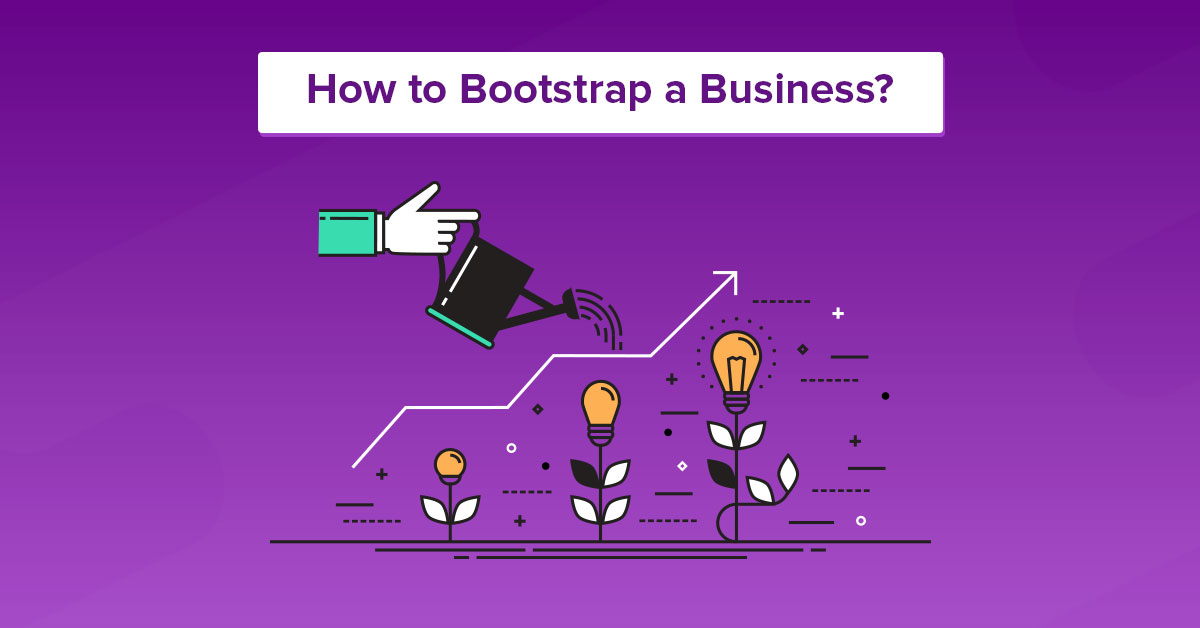
Bootstrapping—building a startup with no external funding—sounds impossible in today’s world of venture capital. But the truth is, many great businesses started with little to no money.
The secret? Focus on providing value first, making money from customers, and reinvesting profits into growth.
How to Turn a Service Gig into a Scalable SaaS
One of the smartest ways to bootstrap an enterprise startup is to start with a service business and slowly transition into a product-based company.
For example:
- Zoho – Started as an IT service provider before developing a full suite of business software.
- Freshworks – Began as a small customer support service and later built software that now serves global enterprises.
- Mailchimp – Started as an email service agency before launching their email marketing software.
The idea is simple: Solve problems for individual clients first, understand their pain points, and then automate the solution into a scalable product.
Why Solving One Tiny Problem Can Dethrone Giants
Most people think they need a groundbreaking idea to compete with big players. But history shows that even solving a small problem well can shake up an industry.
Take the example of Slack—before it became the world’s favorite workplace chat tool, it was an internal messaging system for a gaming company. They solved a tiny issue (team communication) and built a billion-dollar company out of it.
Key lesson? Find a niche problem, solve it better than anyone else, and customers will come.
Smart Hacks to Build and Test with Zero Funding
If you’re bootstrapping your startup, you need to be creative. Here are some smart hacks to test your idea without spending a fortune:
- Start with a landing page – Before building the product, create a simple website explaining your idea and collect email sign-ups to gauge interest.
- Offer pre-orders – If people are willing to pay in advance, you know you have a valuable product.
- Use free tools – Platforms like Notion, Google Sheets, and Zapier can help automate and manage operations without expensive software.
- Leverage social media – Organic marketing through LinkedIn, Twitter, and YouTube can bring in customers without paid ads.
- Outsource smartly – Hire freelancers instead of building a full-time team in the early stages.
Final Thoughts
Whether you’re an aspiring entrepreneur or already running a startup, two key lessons stand out:
- Entrepreneurial spirit is often rooted in childhood experiences—nurture it!
- Bootstrapping an enterprise startup is tough but possible—start small, solve real problems, and scale smartly.
Great businesses don’t always need million-dollar investments. Sometimes, all it takes is a clear vision, relentless execution, and the courage to start.
Are you ready to take that first step? 🚀
Comments

Hi, I’m Nishanth Muraleedharan (also known as Nishani)—an IT engineer turned internet entrepreneur with 25+ years in the textile industry. As the Founder & CEO of "DMZ International Imports & Exports" and President & Chairperson of the "Save Handloom Foundation", I’m committed to reviving India’s handloom heritage by empowering artisans through sustainable practices and advanced technologies like Blockchain, AI, AR & VR. I write what I love to read—thought-provoking, purposeful, and rooted in impact. nishani.in is not just a blog — it's a mark, a sign, a symbol, an impression of the naked truth. Like what you read? Buy me a chai and keep the ideas brewing. ☕💭 For advertising on any of our platforms, WhatsApp me on : +91-91-0950-0950 or email me @ support@dmzinternational.com