Even C.V. Raman Couldn’t Escape — How Kerala’s Travancore Bank Ponzi Scheme Ruined India’s Greatest Scientist
When you think of Kerala, you may think of serene backwaters, literacy, and tradition. But hidden in its economic past lies a financial scandal so deep, it swallowed a Nobel Prize fortune — and the dreams of thousands more.
This is the untold story of the Travancore National & Quilon Bank (TN&Q Bank) — a bank that rose on the promise of patriotism and progress… and crashed as one of India’s earliest and most high-profile financial scams.
🏦 The Travancore National & Quilon Bank — What Was It?
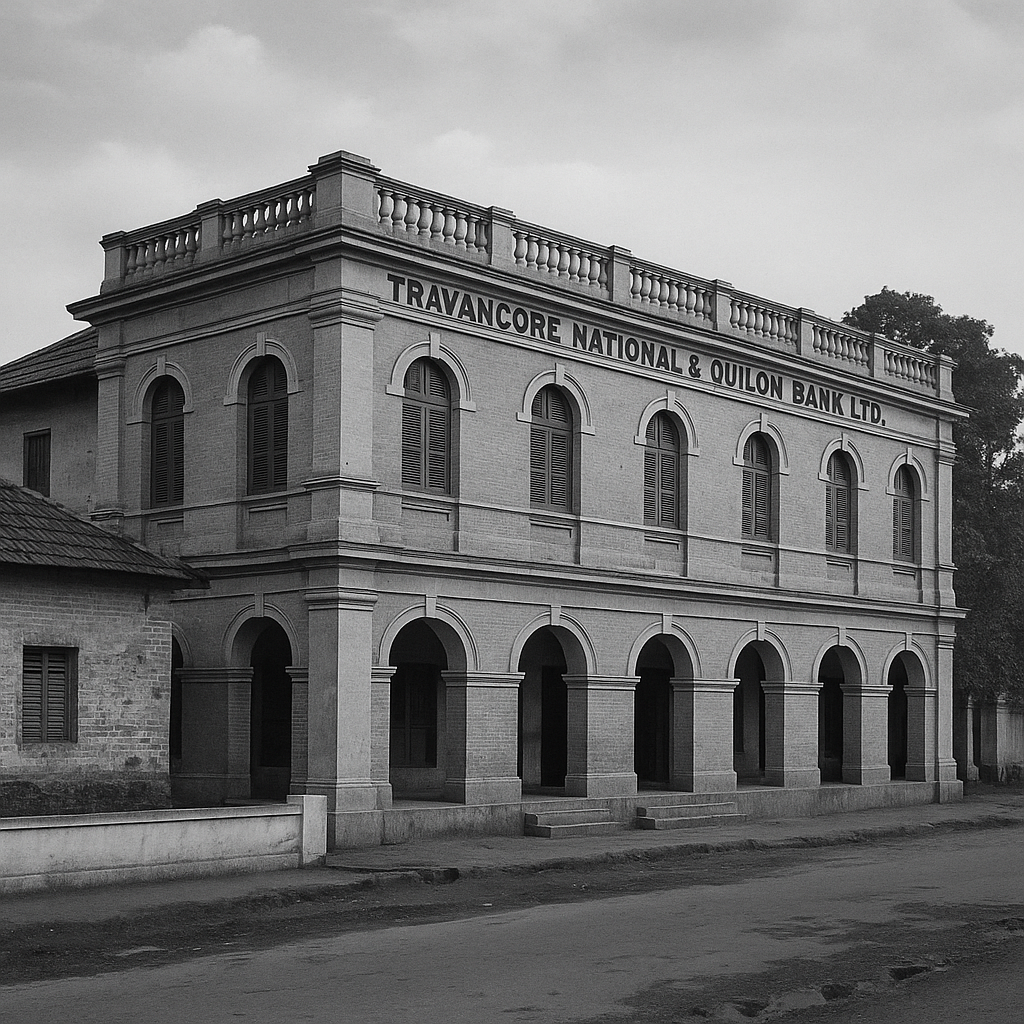
The Travancore National & Quilon Bank was formed in 1937, when two earlier banks — Quilon Bank (based in Kollam) and Travancore National Bank (based in Trivandrum) — merged.
Why These Names?
- Travancore: A princely state in southern India (now part of Kerala), ruled by a Maharaja and advised by a Diwan.
- Quilon: The anglicized name of Kollam, a major port city and trading hub since ancient times.
- Trivandrum (Thiruvananthapuram): The capital of Travancore and a center of politics and power.
By combining these names, the new bank was seen as a symbol of regional pride, financial strength, and Swadeshi (indigenous) values — a bank “for the people, by the people, of Kerala.”
👨💼 Who Was Behind It?
At the heart of the TN&Q Bank’s rise was Sir C.P. Ramaswami Iyer, the Diwan (Prime Minister) of Travancore, a highly educated and politically influential figure.
While Ramaswami Iyer was not the founder of the bank, he held immense influence over its operations and was seen as a protector of elite businessmen in the region. The merger and expansion of TN&Q Bank was allegedly supported by his powerful network, which also discouraged scrutiny.
He was a lawyer, administrator, and politician — but critics argue that his proximity to the bank shielded it from financial regulations and encouraged risky practices.
💸 The Scam: A Nationalist Sugarcoat Over a Ponzi Core
TN&Q Bank promised:
- Attractive returns
- Patriotic branding
- Backed by Travancore’s elite
- A vision to become India’s largest indigenous bank
But behind the scenes, the bank was:
- Overextending loans to political and business insiders
- Falsifying financial statements
- Using new deposits to repay old obligations — a Ponzi tactic
- Practicing nepotism in decision-making
The bank grew too fast, too big, and too recklessly. Instead of ensuring safety for depositors, it created a financial bubble of false prosperity.
📉 The Fall — And the Chaos That Followed
In 1938, just a year after the merger, the bank collapsed under the weight of its mismanagement.
What triggered the downfall?
- Mounting loan defaults
- Exposed book-cooking practices
- Political backlash from rising dissenters against C.P. Ramaswami Iyer
- Growing pressure from British regulators who saw the institution as unstable
Thousands of depositors, from common citizens to India’s finest minds — including C.V. Raman, lost their money.
😱 Raman’s Tragedy — And Why It Hurt So Deep
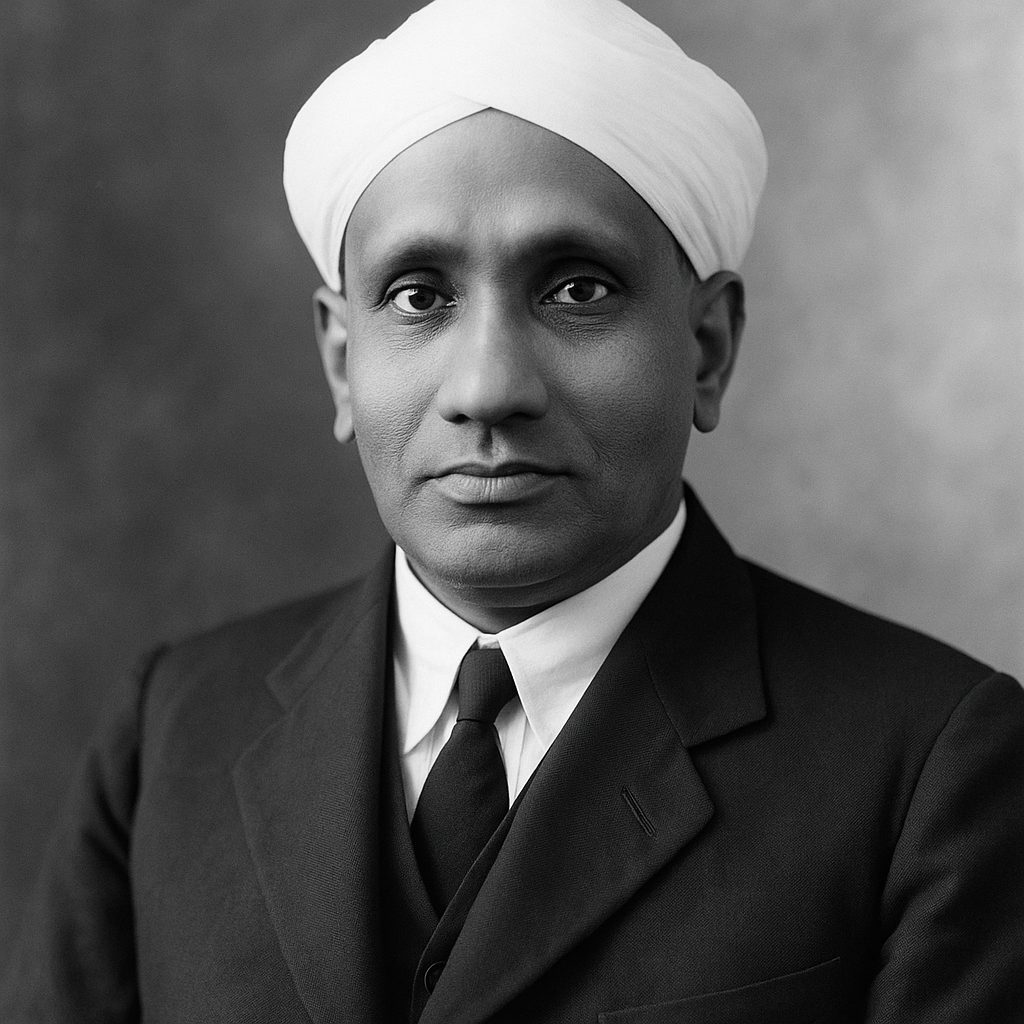
- Raman had invested most of his Nobel Prize money (1930) in this bank.
- By 1938, it was gone — swallowed in the crash.
- As a man of science and patriotism, Raman believed in building Indian institutions, but instead was duped by a false dream dressed in cultural pride and high-profile backing.
C.V. Raman is believed to have lost most of his Nobel Prize money—awarded in 1930, amounting to 155,000 Swedish kronor—by investing it in the Travancore National & Quilon Bank. At the time, this was a huge sum, equivalent to ₹2 to ₹2.5 crore in today’s value
This was not just a loss of money, but a betrayal of trust.
📍 The Kerala Connection — A Regional Dream Turned Nightmare
This bank was Kerala’s pride:
- Headquartered in Kollam and Trivandrum, two powerful cities in the old Travancore State
- Operated under a powerful local elite and seen as a Swadeshi alternative to British banks
- Promoted as a Malayalee success story in finance
The collapse shook the foundations of trust in local banking and tarnished Travancore’s financial reputation for decades.
The People Who Lost:
- Small farmers
- Middle-class professionals
- Royal family-linked investors
- Educated elites
- Teachers and school savings
- NRIs from the Gulf (even in pre-independence times, Kerala had diaspora investors)
The total loss? While exact numbers are hard to verify, it’s estimated that tens of lakhs of rupees in pre-independence value were lost — equivalent to hundreds of crores today.
🎯 Was It a Planned Scam?
Many historians believe:
- Yes, it was a well-orchestrated financial and political scam.
- It wasn’t merely mismanagement — it involved deliberate falsification, insider favoritism, and invisible political protection.
- The crash conveniently happened when political heat started rising on Diwan C.P. Ramaswami Iyer and his governance style.
Though the Diwan denied direct involvement in the scam, his role in protecting the bank’s operations and ignoring its financial rot remains one of the most controversial chapters in Kerala’s pre-independence history.
🧠 Final Reflection — The Scam That Silenced a Scientist
It’s a sobering thought.
A man who decoded the secrets of light could not see the darkness of financial deceit.
C.V. Raman’s Nobel money, like thousands of other investments, was never recovered.
The lesson?
“Scams don’t come wearing a thief’s mask. Sometimes, they come draped in culture, pride, and the promise of progress.”
The Travancore National & Quilon Bank scam was not just a banking failure — it was a mirror of how intelligent societies can still be financially naïve when emotion trumps verification.
📢 What India and Kerala Must Remember
We still see echoes of TN&Q Bank today:
- Sahara
- PMC Bank
- Yes Bank (near-collapse)
- And endless chit fund traps
So ask yourself before your next investment:
Are you investing in trust? Or in proof?
Even geniuses can be fooled. Just make sure you don’t become the next case study.
Comments

Hi, I’m Nishanth Muraleedharan (also known as Nishani)—an IT engineer turned internet entrepreneur with 25+ years in the textile industry. As the Founder & CEO of "DMZ International Imports & Exports" and President & Chairperson of the "Save Handloom Foundation", I’m committed to reviving India’s handloom heritage by empowering artisans through sustainable practices and advanced technologies like Blockchain, AI, AR & VR. I write what I love to read—thought-provoking, purposeful, and rooted in impact. nishani.in is not just a blog — it's a mark, a sign, a symbol, an impression of the naked truth. Like what you read? Buy me a chai and keep the ideas brewing. ☕💭 For advertising on any of our platforms, WhatsApp me on : +91-91-0950-0950 or email me @ support@dmzinternational.com