Geneva’s Secret Peace Deal: Why Neither America, Israel, Nor Iran Can Truly Claim Victory
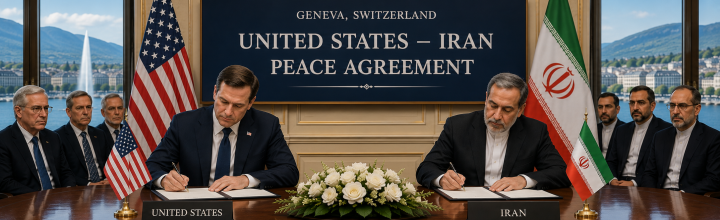
For months, the world watched one of the most dangerous confrontations in modern Middle Eastern history unfold. Many expected Iran to collapse. Others expected the United States and Israel to achieve a decisive victory. Neither happened.
Now, as diplomats prepare to finalize a peace framework in Geneva, a surprising reality is emerging: this conflict may have changed the global balance of power more than anyone realizes.
————————————————————————————————————————-
What Most People Don’t Know About the Geneva Deal
Media headlines focus on the ceasefire, but the real negotiations are happening behind closed doors.
The framework under discussion is believed to include:
- Reopening the Strait of Hormuz.
- A ceasefire across multiple fronts.
- Discussions on sanctions relief.
- Release of frozen Iranian assets.
- Future negotiations on Iran’s nuclear activities.
- Maritime security guarantees in the Gulf region.
The biggest surprise?
The nuclear issue—the very reason tensions escalated over the years—is still not fully resolved. Geneva is not the end of the story. It is merely the beginning of another phase of negotiations.
————————————————————————————————————————-
The Regime Change That Never Happened
For years, many strategists in Washington and Tel Aviv believed that severe military pressure, economic sanctions, and internal unrest would eventually trigger political change inside Iran.
But Iran did not collapse.
Despite sanctions, military pressure, economic hardship, and international isolation, the Iranian state continued functioning.
This does not mean Iran won militarily.
It means one of the oldest lessons in history was proven again:
Destroying infrastructure is easier than changing a nation’s political identity.
From Vietnam to Afghanistan, history repeatedly shows that external powers often underestimate a nation’s ability to endure hardship.
————————————————————————————————————————-
Why Trump and Netanyahu May Not Be Seeing Eye to Eye
One of the most fascinating aspects of the current situation is the growing difference in priorities between President Donald Trump and Prime Minister Benjamin Netanyahu.
Israel’s primary concern remains long-term security and preventing Iran from rebuilding military capabilities.
Trump’s priorities appear broader:
- Stabilizing oil markets.
- Preventing another endless Middle East conflict.
- Protecting global trade routes.
- Delivering a diplomatic success.
That does not mean Washington and Tel Aviv have become opponents.
It means allies can have different definitions of success.
————————————————————————————————————————-
The Lesson Every Country Should Study
The biggest winner may not be any government.
The biggest winner is national resilience.
Iran demonstrated that even under extreme pressure, a country can continue functioning if key institutions remain intact.
The United States demonstrated that military superiority alone does not automatically create political outcomes.
Israel demonstrated the effectiveness of intelligence, technology, and precision operations.
Every country should be asking:
- Are our citizens united during crises?
- Can our economy survive sanctions?
- Can our supply chains function during conflict?
- Can we withstand information warfare?
The wars of the future will be won as much by resilience as by missiles.
————————————————————————————————————————-
Did Iran Actually Win?
The answer may surprise many readers.
Militarily?
No.
Economically?
No.
Politically?
Partially.
Iran’s leadership remains in power.
The country did not surrender.
Its negotiating team is sitting at the Geneva table as a participant rather than a defeated party.
That alone changes the narrative.
At the same time, America and Israel achieved important objectives by forcing Iran back into negotiations.
This is why neither side can honestly claim total victory.
The outcome looks more like a costly stalemate than a decisive win.
————————————————————————————————————————-
What Happens After Geneva?
Several possibilities now exist:
Best Case
- Hormuz fully reopens.
- Oil prices stabilize.
- Sanctions gradually ease.
- Nuclear agreements are renewed.
- Regional tensions reduce.
Most Likely Case
- A fragile peace.
- Frequent accusations from all sides.
- Slow negotiations lasting months or years.
Worst Case
- A future incident reignites the conflict.
- Proxy groups become active again.
- New sanctions and retaliatory actions emerge.
————————————————————————————————————————-
What GCC Countries Learned
Countries such as Saudi Arabia, the UAE, Qatar, Bahrain, Kuwait, and Oman have likely learned one major lesson:
Economic prosperity depends on stability.
Many Gulf nations are now investing heavily in diplomacy, diversification, logistics, tourism, and technology because they know that prolonged regional wars threaten everything they have built.
————————————————————————————————————————-
The Questions Nobody Is Talking About
Did Iran Remove All Military Threats From the Gulf?
Nobody outside a small circle of military officials truly knows.
If any defensive or offensive maritime systems were deployed during the crisis, verification and clearance could take weeks or even months.
Shipping companies will likely wait for full security assessments before returning to normal operations.
Can Israel Strike Again?
The uncomfortable truth is yes.
As long as Iran’s nuclear program, missile capabilities, and regional influence remain unresolved, future tensions cannot be ruled out.
A peace agreement reduces risk. It does not eliminate it.
Can Trump Control Israel?
This is another question few people discuss openly.
The United States is Israel’s closest ally, but Israel ultimately makes its own national security decisions.
Washington can influence, persuade, pressure, or negotiate, but no American president can completely dictate Israeli policy.
The real challenge for Trump will be ensuring that diplomacy remains more attractive than military action for all parties involved.
————————————————————————————————————————-
The Hidden Victory of Iran
The most surprising outcome may be psychological rather than military.
Many expected Iran to fold under pressure.
Instead, Iran endured.
Whether one supports or opposes the Iranian government, the fact remains that the country faced immense economic, diplomatic, and military pressure and continued to function.
That resilience will be studied by military academies, diplomats, and political leaders for years.
————————————————————————————————————————-
The Final Truth Nobody Wants to Admit
Perhaps the most uncomfortable lesson from this entire conflict is this:
Modern wars are becoming harder to win.
Countries can destroy targets, impose sanctions, and launch sophisticated military operations.
But changing the will of millions of people remains extraordinarily difficult.
That is why Geneva matters.
Not because it proves who was strongest.
But because it proves that after months of confrontation, every side eventually arrived at the same conclusion:
Talking was cheaper than fighting.
And that may be the most expensive lesson of all.
————————————————————————————————————————-
Nishani’s Final Thought
History may not remember this chapter as an American victory, an Israeli victory, or an Iranian victory.
History may remember it as the moment the world realized that in the 21st century, even the most powerful militaries cannot easily force political outcomes on determined nations.
The real winners are often not those who fire the most missiles, but those who survive long enough to sit at the negotiating table with their dignity intact.
————————————————————————————————————————-
Note: Some details of the Geneva framework remain preliminary and may change as negotiations continue. Current reporting indicates a framework agreement and ongoing talks rather than a finalized comprehensive settlement.
Comments

Hi, I’m Nishanth Muraleedharan (also known as Nishani)—an IT engineer turned internet entrepreneur with 25+ years in the textile industry. As the Founder & CEO of "DMZ International Imports & Exports" and President & Chairperson of the "Save Handloom Foundation", I’m committed to reviving India’s handloom heritage by empowering artisans through sustainable practices and advanced technologies like Blockchain, AI, AR & VR. I write what I love to read—thought-provoking, purposeful, and rooted in impact. nishani.in is not just a blog — it's a mark, a sign, a symbol, an impression of the naked truth. Like what you read? Buy me a chai and keep the ideas brewing. ☕💭 For advertising on any of our platforms, WhatsApp me on : +91-91-0950-0950 or email me @ support@dmzinternational.com