
Global Gangs: Unstoppable Forces of Crime
The world’s biggest and most dangerous gangs are notorious for their ruthless pursuit of power, wealth, and control, often resorting to extreme measures—such as violence, corruption, and intimidation—to achieve their goals. These criminal organizations operate across multiple countries, making them difficult to dismantle. Below is an overview of some of the most infamous gangs, the countries they operate in, and the reasons why police and intelligence agencies struggle to stop them.
Major Gangs and Their Areas of Operation
1. MS-13 (Mara Salvatrucha)
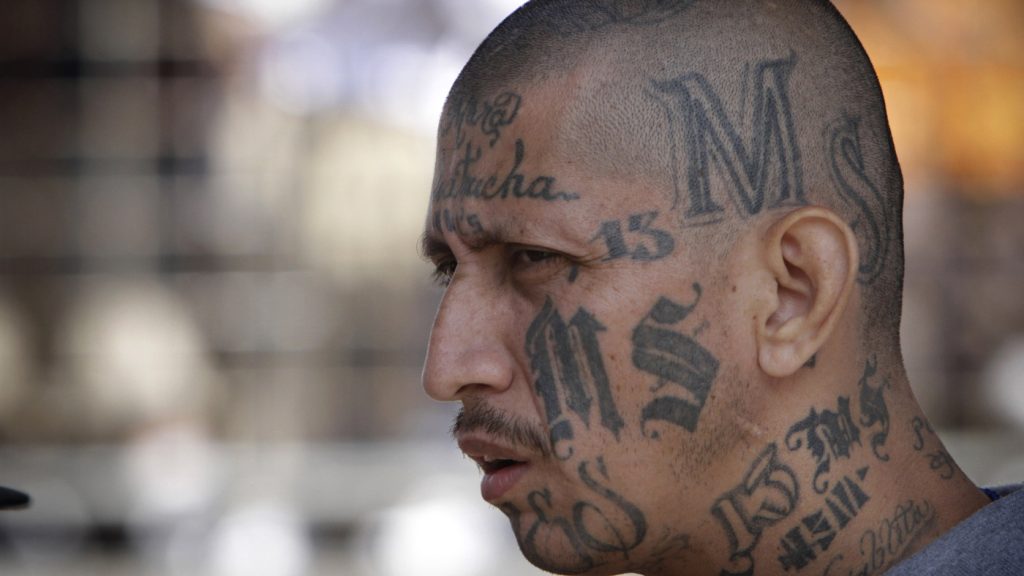
An MS-13 gang member at a prison in Salvador. As the gang spread from Central America to the U.S., authorities say its symbols became more subtl
– Countries: Primarily Central America (El Salvador, Honduras, Guatemala), Mexico, and the United States.
– Activities: Drug trafficking, human trafficking, extortion, and murder.
2. Sinaloa Cartel
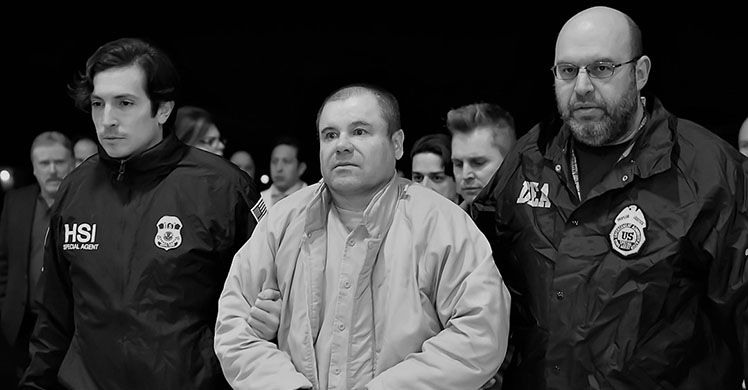
– Countries: Based in Mexico, with operations in the United States, Central and South America, Europe, and Asia.
– Activities: Drug trafficking (cocaine, heroin, methamphetamine), money laundering, and extreme violence.
3. Yakuza
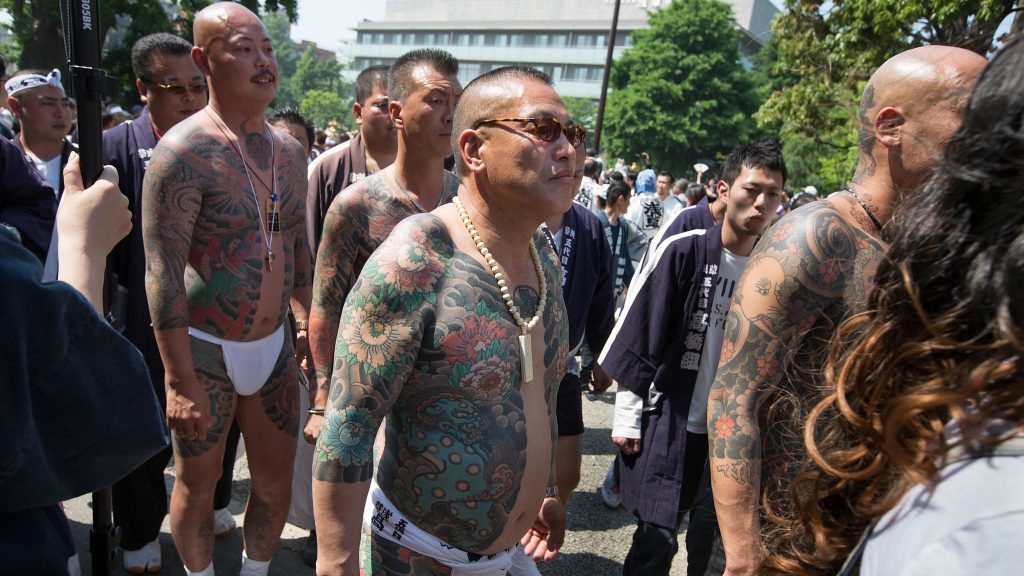
– Countries: Japan, with a presence in other Asian countries and some Western nations.
– Activities: Extortion, gambling, prostitution, and legitimate business ventures.
4. Triads
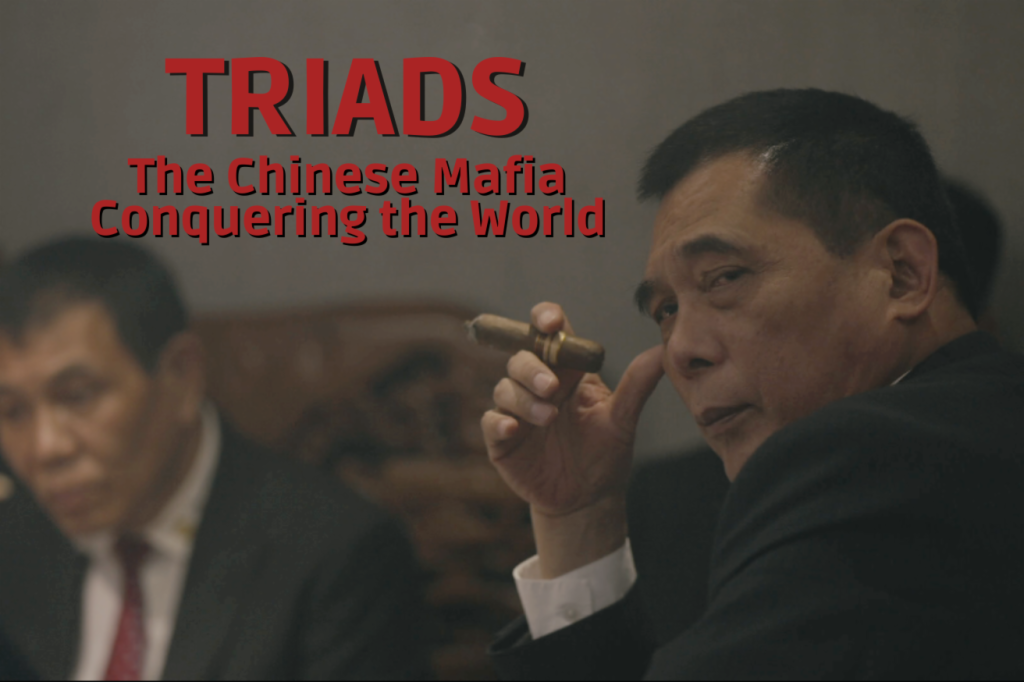
– Countries: China, Hong Kong, Taiwan, and globally in Chinese diaspora communities.
– Activities: Drug trafficking, human trafficking, counterfeiting, and cybercrime.
5. Italian Mafia (Cosa Nostra, ‘Ndrangheta, Camorra)
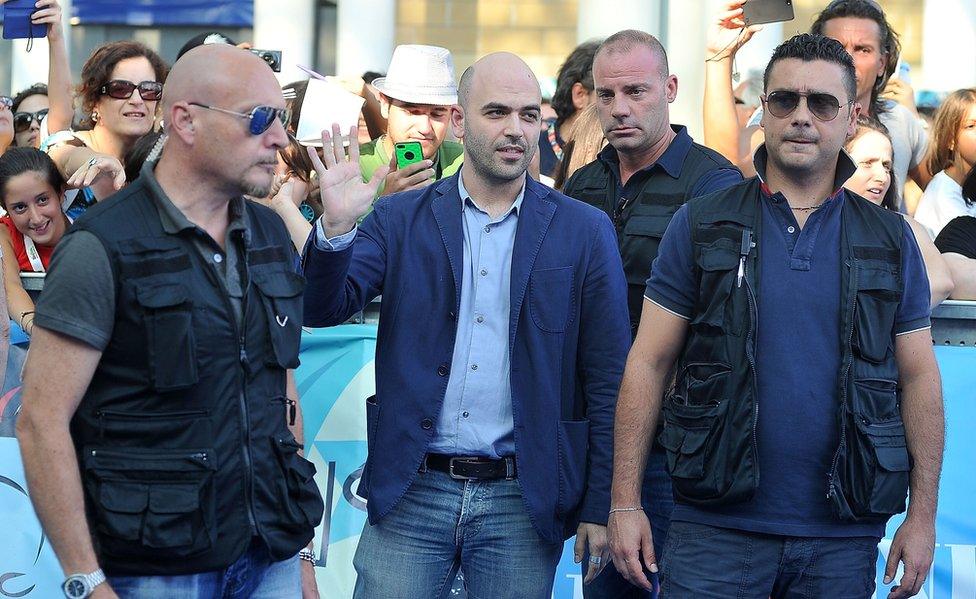
– Countries: Italy, with global operations in Europe, North America, and beyond.
– Activities: Extortion, drug trafficking, money laundering, and infiltration of legitimate businesses.
6. Aryan Brotherhood

– Countries: United States (primarily in prisons).
– Activities: Drug trafficking, extortion, and violence.
7. Hells Angels
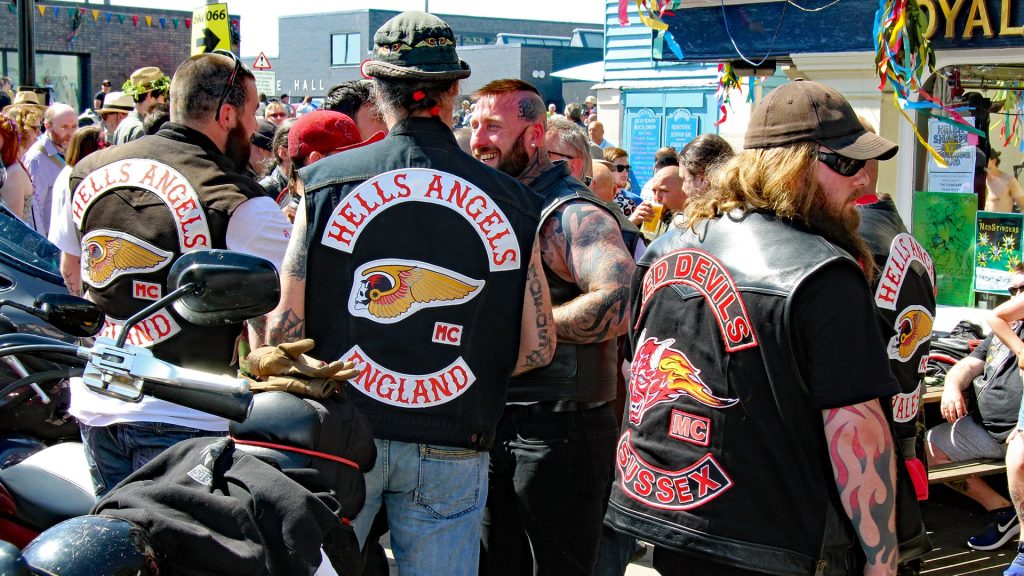
– Countries: United States, Canada, Europe, Australia, and other regions.
– Activities: Drug trafficking, extortion, and organized crime through motorcycle clubs.
8. Mungiki
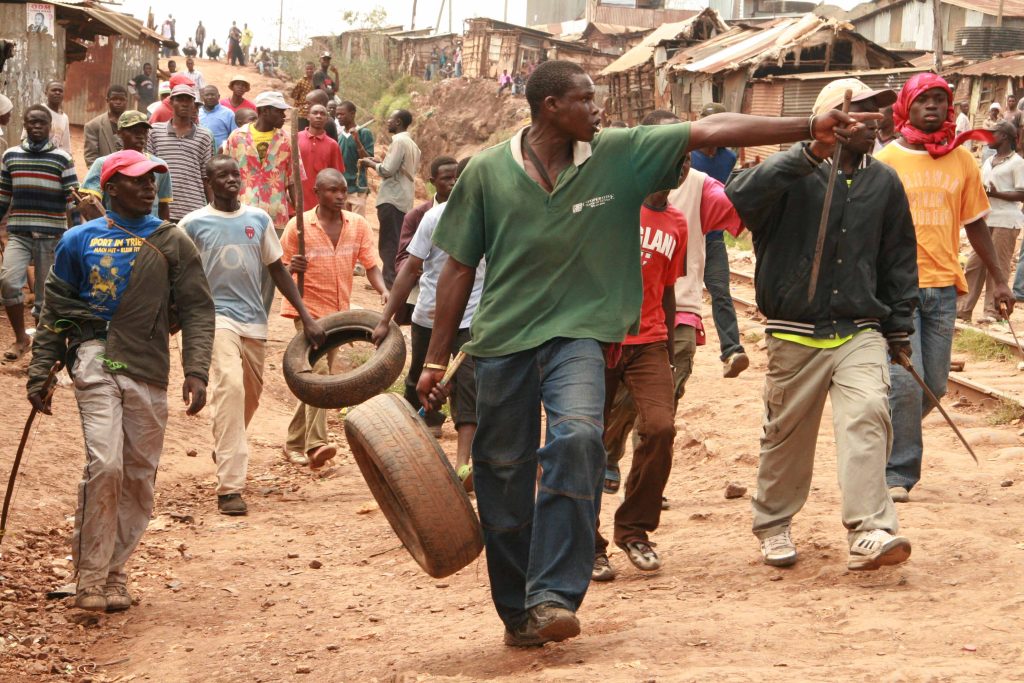
– Countries: Kenya.
– Activities: Extortion, violence, and political influence.
Why Police and Intelligence Agencies Struggle to Stop Them
These gangs are incredibly difficult to eradicate due to a combination of factors that protect them from law enforcement efforts. Here are the main reasons:
1. Corruption
Many of these gangs have infiltrated or corrupted local police, government officials, and even political systems. This internal corruption undermines efforts to arrest members or disrupt operations, as honest officers may face resistance or danger from within their own ranks.
2. Global Reach
Operating across borders allows these gangs to exploit differences in legal systems and enforcement capabilities. International cooperation is often slow and bureaucratic, enabling gang members to evade capture by shifting their activities between countries.
3. Adaptability
These organizations are highly flexible, quickly adjusting their strategies when faced with law enforcement pressure. They use advanced technology, decentralized structures, and innovative tactics to stay one step ahead of authorities.
4. Violence and Intimidation
Extreme violence is a key tool for these gangs. They employ brutal tactics—such as torture, beheadings, and mass killings—to instill fear in communities, witnesses, and even law enforcement. This climate of terror discourages cooperation with authorities.
5. Economic Power
Through their illegal activities, these gangs generate vast wealth, which they use to fund operations, bribe officials, and influence politics. Their financial resources often rival those of legitimate businesses or small governments, giving them significant leverage.
6. Social and Political Factors
In some regions, these gangs fill gaps left by weak governments, providing services, jobs, or protection. This earns them local support, making it hard for police to act without facing community resistance. Legal and political obstacles, such as weak extradition laws or sanctuary policies, further complicate efforts to arrest or deport members.
Specific Challenges by Gang
Each gang has unique traits that make it particularly difficult to stop:
– MS-13: Its decentralized structure means there’s no single leader to target, and its strong presence in prisons allows it to operate and recruit even while members are incarcerated. Its reputation for savage violence also keeps informants silent.
– Sinaloa Cartel: Deeply embedded in Mexican politics and law enforcement, the cartel uses a vast network of informants and cutting-edge technology to avoid capture. Its global reach ensures resilience even when leaders are arrested.
– Yakuza: Rooted in Japanese society for centuries, the Yakuza operate openly and maintain ties with politicians and businesses, making them difficult to uproot without disrupting legitimate institutions.
– Triads: Their secretive, complex structure and China’s economic influence shield them from international efforts. Cooperation with Chinese authorities is often limited, adding to the challenge.
– Italian Mafia: A strong cultural presence in Italy, combined with the code of silence (omertà) and infiltration of government and business, ensures their survival despite crackdowns.
– Aryan Brotherhood: Operating primarily in U.S. prisons, this gang controls drug trafficking behind bars and uses violence to maintain power, with a network of associates extending its influence outside.
– Hells Angels: Their global chapters and use of motorcycle clubs as a front provide a layer of legitimacy, masking their drug trafficking and other crimes.
– Mungiki: Political connections and the ability to exploit Kenya’s social and economic struggles allow this gang to operate with relative impunity.
India’s Criminal Underworld: Bishnoi Gang and D-Company’s Persistent Threat
Yes, India is also home to several notorious criminal gangs, including the Bishnoi gang and the infamous D-Company, led by Dawood Ibrahim, who is widely believed to be hiding in Pakistan. The Bishnoi gang, headed by Lawrence Bishnoi, continues to operate despite his imprisonment, engaging in criminal activities such as extortion, murder, and drug trafficking. With a network of over 700 members across India and abroad, this gang has been linked to high-profile crimes, including the assassination of Punjabi singer Sidhu Moosewala in 2022, making it a significant threat to public safety.
A suspected shooter from the Lawrence Bishnoi gang, arrested in Mathura, Uttar Pradesh, has alleged that recently slain NCP leader Baba Siddique was “not a good man” and maintained ties with India’s most-wanted criminal, Dawood Ibrahim. The suspect further claimed the Bishnoi gang was responsible for Siddique’s murder in Mumbai.Bishnoi’s closest known associate is Satinderjit Singh, alias Goldy Brar, who is based in Canada.
On the other hand, Dawood Ibrahim, the mastermind behind the 1993 Mumbai bombings, leads D-Company, a syndicate involved in terrorism, drug trafficking, and extortion. His alleged presence in Pakistan—denied by Pakistani authorities—remains a source of tension between India and Pakistan, as India accuses Pakistan of sheltering him. Both gangs pose severe threats to law enforcement and regional stability, leveraging corruption, international connections, and advanced technology to evade capture and continue their operations.
Conclusion
While police and intelligence agencies have scored victories—such as arresting key figures or disrupting specific operations—these gangs remain a persistent threat. Their adaptability, global networks, and willingness to use corruption and violence make them formidable. As long as these underlying challenges—corruption, weak international coordination, and social vulnerabilities—persist, completely stopping these world-famous underworld groups will remain an elusive goal.
Comments

Hi, I’m Nishanth Muraleedharan (also known as Nishani)—an IT engineer turned internet entrepreneur with 25+ years in the textile industry. As the Founder & CEO of "DMZ International Imports & Exports" and President & Chairperson of the "Save Handloom Foundation", I’m committed to reviving India’s handloom heritage by empowering artisans through sustainable practices and advanced technologies like Blockchain, AI, AR & VR. I write what I love to read—thought-provoking, purposeful, and rooted in impact. nishani.in is not just a blog — it's a mark, a sign, a symbol, an impression of the naked truth. Like what you read? Buy me a chai and keep the ideas brewing. ☕💭 For advertising on any of our platforms, WhatsApp me on : +91-91-0950-0950 or email me @ support@dmzinternational.com