
Iran 2026: The Arsenal That’s Redrawing the Middle East Map
In 2026, Iran is no longer just “contained.” It is calibrated.
While headlines scream about missile strikes and wounded civilians around Jerusalem and Beit Shemesh, something deeper is unfolding: Tehran’s military evolution is no longer reactive. It is strategic, layered, and increasingly difficult to deter.
This is not the Iran of a decade ago.
This is a country building leverage across land, sea, air, cyber, and even space.
The Missile Backbone: Range, Precision, and a Hypersonic Signal


Iran’s missile doctrine has always been its insurance policy.
According to assessments by the Council on Foreign Relations, Iran possesses one of the largest ballistic missile arsenals in the Middle East. Its medium-range ballistic missiles (MRBMs) can reach up to 2,000–2,500 km—putting Israel, Gulf states, and U.S. bases across the region within range.
But 2026 introduced a new psychological weapon: the Fattah-2 hypersonic missile.
Tehran claims the Fattah-2 can maneuver at hypersonic speeds and evade missile defenses. Footage suggests it may have bypassed interception systems, though independent verification remains limited. If even partially accurate, that changes the deterrence equation.
Israel’s layered defense network—including systems like Iron Dome—was designed to intercept rockets and ballistic threats. Hypersonic glide vehicles complicate that model because they maneuver unpredictably at extreme speeds.
If Iran can mass-produce such systems, interception shifts from “probable” to “uncertain.”
And uncertainty is the most destabilizing variable in warfare.
Drones: Cheap, Scalable, Relentless

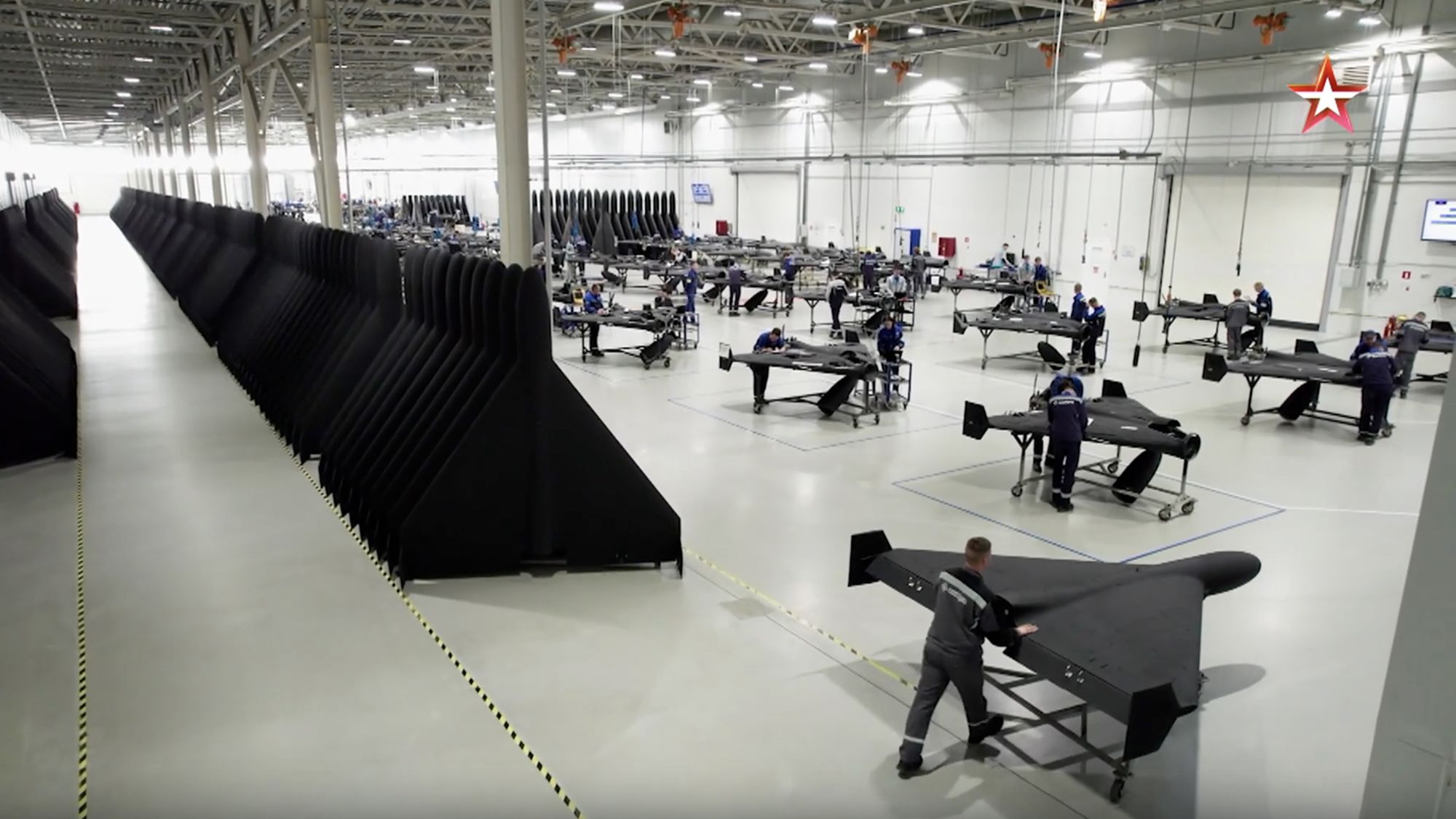
Missiles are the headline act. Drones are the daily grind.
Iran’s expanding UAV ecosystem now includes jet-powered platforms like the Hadid 110, alongside mass-produced loitering munitions. These systems are cheap, scalable, and designed for swarm tactics.
This is asymmetric warfare at industrial scale.
Instead of relying solely on expensive ballistic missiles, Tehran can saturate airspace with drones—forcing adversaries to spend millions intercepting systems that cost a fraction to produce.
The math favors the producer.
Iran has already demonstrated how drones can reshape battlefields through proxy networks. Now it is integrating them into direct state-level confrontations.
That’s escalation by design.
The Naval Game: Hormuz as Leverage


If missiles are Iran’s sword, the Strait of Hormuz is its chokehold.
Roughly a fifth of global oil passes through this narrow corridor. Iran’s naval doctrine focuses on asymmetric disruption: fast attack boats, anti-ship missiles, sea mines, and coastal batteries.
Tehran doesn’t need to “win” at sea.
It only needs to threaten disruption.
And when oil markets react to even minor escalations, that threat alone becomes geopolitical currency.
Air Power Upgrade: Russian Hardware Enters the Equation

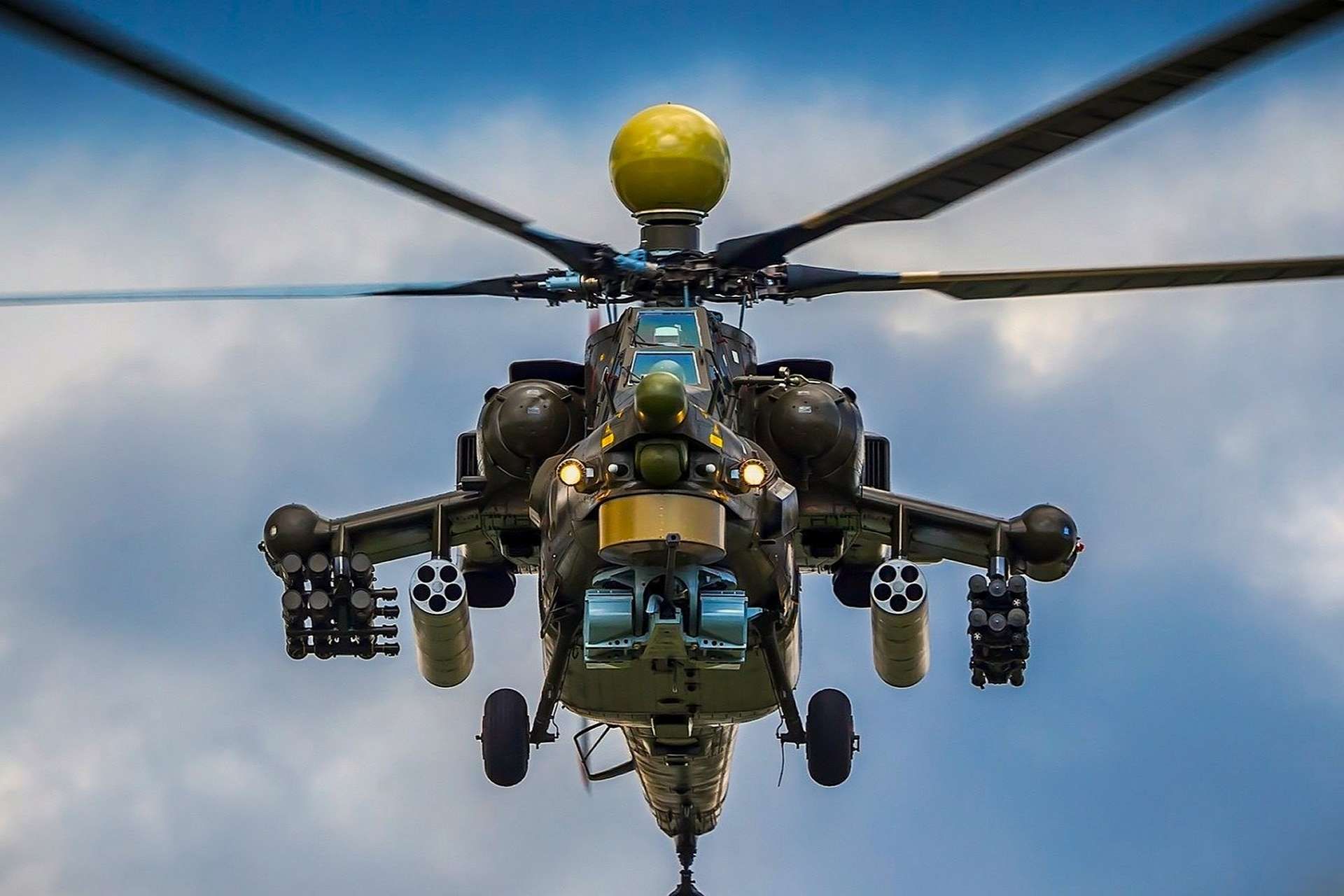

Iran’s reported acquisition of Russian-built Mi-28NE attack helicopters marks another shift. While Tehran has historically leaned on missiles and drones, modern rotary-wing platforms enhance close air support and anti-armor capability.
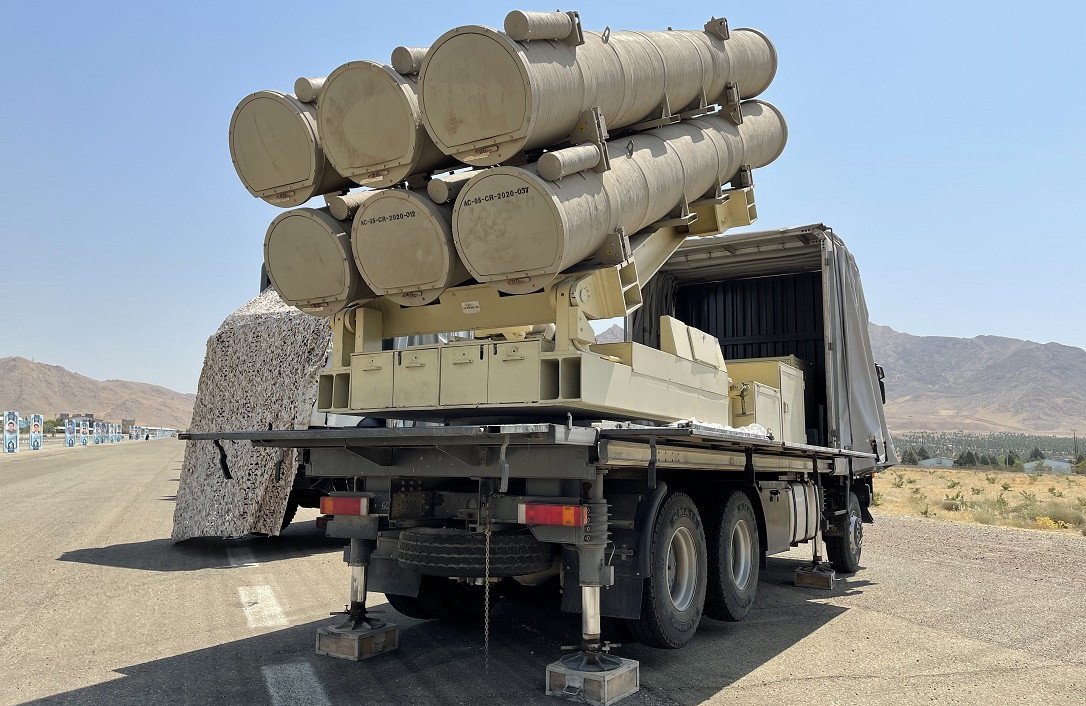
More concerning are reports of missile and air-defense deals with Moscow.
Enhanced air defense systems could complicate potential strike calculations by the U.S. or Israel. Deterrence works both ways: if Iran becomes harder to hit, it becomes bolder in projecting force.
Add to this unverified reports of sixteen military cargo aircraft reaching Iran within days—possibly linked to Chinese logistical support—and the picture becomes even murkier.
If Beijing is quietly strengthening Tehran’s military resilience, the regional chessboard expands into a global contest.
Space: Symbolism or Strategy?
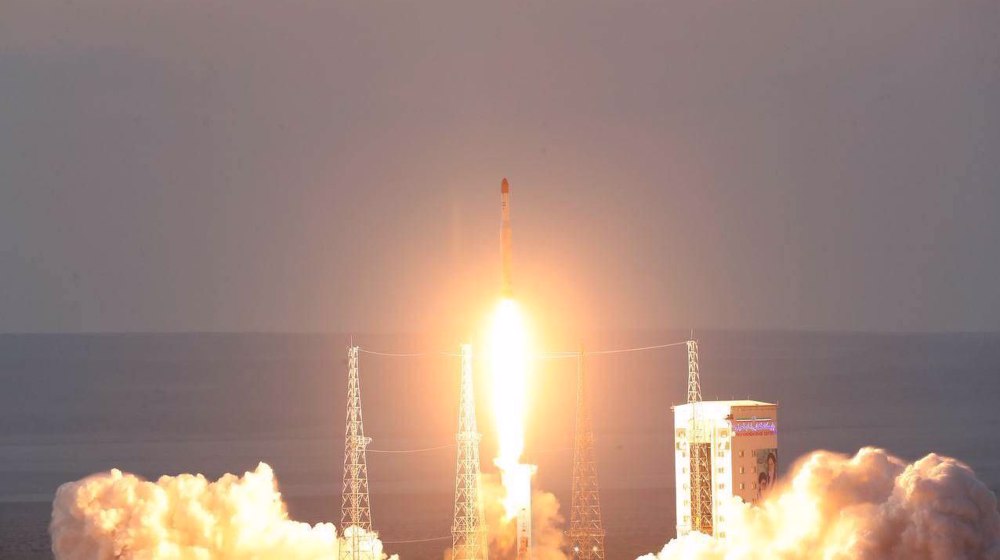
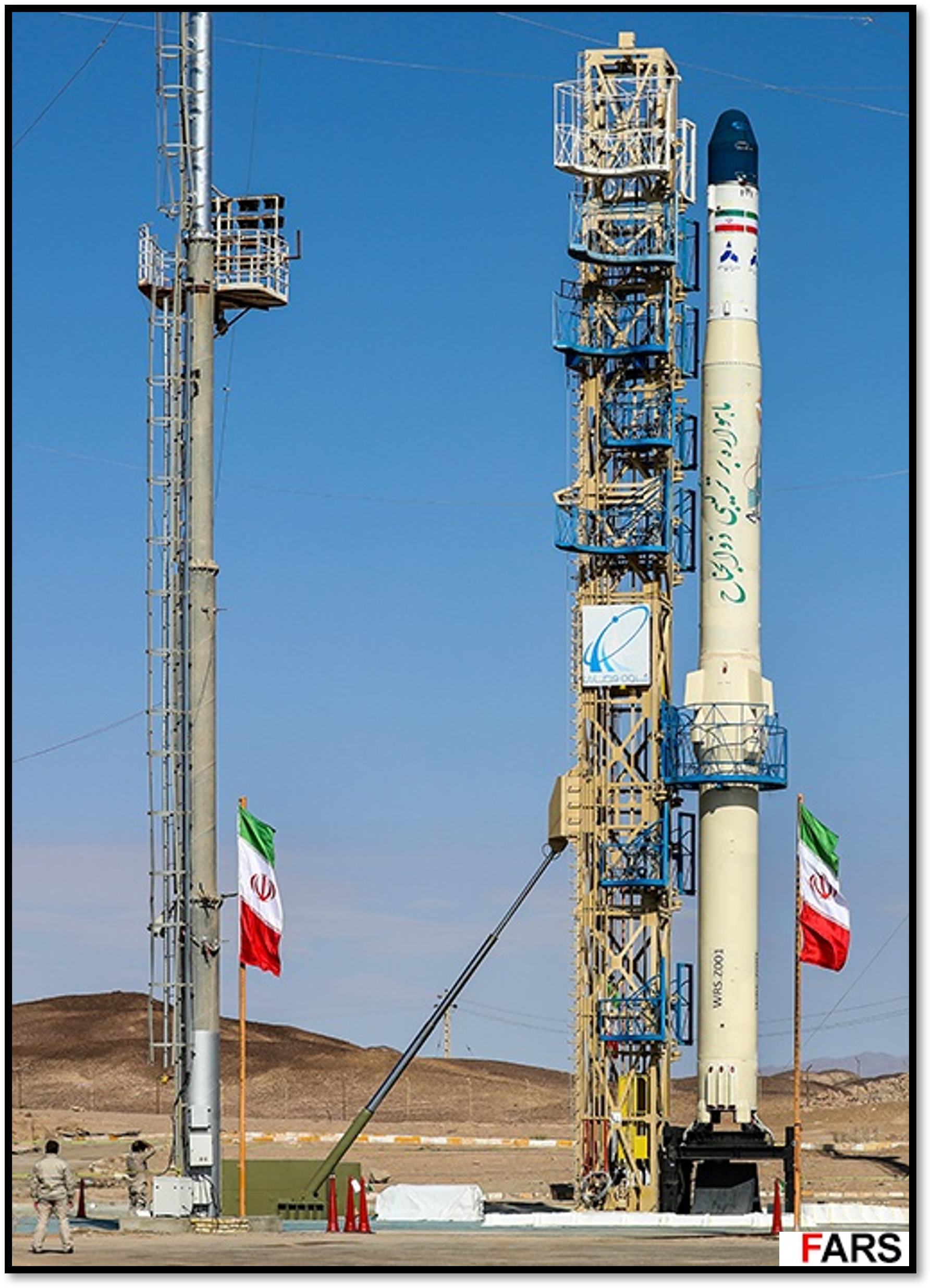
Iran’s launch of its first dedicated geostationary broadcasting satellite is officially civilian.
But space capability is never just civilian.
Launch vehicles, tracking systems, and satellite engineering overlap with long-range missile technology. Even if symbolic today, space assets can evolve into strategic enablers—communications resilience, reconnaissance, and guidance improvements.
In modern warfare, orbit is the new high ground.
Nuclear Capability: The Shadow Variable
While missile development accelerates, concerns over Iran’s nuclear capacity persist. According to analyses referenced by the Council on Foreign Relations, Iran has enriched uranium to levels far beyond the original limits set by international agreements.
Weaponization remains a political threshold—but technically, enrichment progress narrows breakout timelines.
That ambiguity itself is strategic leverage.
Iran does not need to announce a bomb to influence calculations.
It only needs the world to believe it could.
What Happens Next?
Here’s the uncomfortable truth:
Iran’s military transformation is not about immediate conquest.
It’s about deterrence layered with coercion.
- Missiles create strategic reach.
- Hypersonics introduce interception doubt.
- Drones enable scalable attrition.
- Naval asymmetry threatens global energy flows.
- Russian systems harden defenses.
- Possible Chinese logistical support internationalizes escalation risks.
- Space capability extends strategic resilience.
The result?
A country that can retaliate across multiple domains—even if it cannot dominate any single one conventionally.
The Bigger Question
The Middle East is no longer defined by who has the biggest army.
It’s defined by who can complicate the opponent’s decision-making the most.
Iran’s evolving arsenal forces Israel, Gulf states, and the United States to rethink interception economics, preemption risks, and escalation thresholds.
If hypersonic claims hold, missile defense systems across the region may need a generational upgrade. If Russian and Chinese backing deepens, Iran becomes less isolated and more structurally resilient.
And if miscalculation enters the equation?
The Strait of Hormuz becomes more than a shipping lane.
Missiles become more than headlines.
Drones become more than buzzing footage online.
They become triggers.
The world should stop asking whether Iran is arming.
The better question is:
Is the region prepared for a military doctrine built not on victory—but on making victory impossible for everyone else?
Comments

Hi, I’m Nishanth Muraleedharan (also known as Nishani)—an IT engineer turned internet entrepreneur with 25+ years in the textile industry. As the Founder & CEO of "DMZ International Imports & Exports" and President & Chairperson of the "Save Handloom Foundation", I’m committed to reviving India’s handloom heritage by empowering artisans through sustainable practices and advanced technologies like Blockchain, AI, AR & VR. I write what I love to read—thought-provoking, purposeful, and rooted in impact. nishani.in is not just a blog — it's a mark, a sign, a symbol, an impression of the naked truth. Like what you read? Buy me a chai and keep the ideas brewing. ☕💭 For advertising on any of our platforms, WhatsApp me on : +91-91-0950-0950 or email me @ support@dmzinternational.com