
Power Without Maturity Is a Liability, Not Leadership
When senior leaders decide who gets elevated to powerful positions, one question should matter as much as ideology or loyalty: does this person have the maturity to carry the weight of the office? Titles amplify temperament. If patience is missing, power doesn’t fix it—it puts it on a loudspeaker.
Across parties, we keep repeating the same mistake: confusing youth with readiness, energy with wisdom, and visibility with leadership. The result is predictable—public embarrassment, administrative paralysis, and eventually, electoral punishment.
When Speed Beats Sense
Fast-tracking young leaders can look progressive on paper. In reality, it often skips the hard work of seasoning—learning restraint, listening more than speaking, and understanding that authority is not a megaphone for ego. Offices are not classrooms. Citizens are not interns.
A Lesson From the Left
The Communist leadership in Kerala made a bold move by appointing a very young mayor in the state capital. Symbolism was strong; substance was shaky. What followed was not just a series of awkward moments, but a pattern: visible impatience, public confrontations, and an inability to de-escalate situations that demanded calm.
Leadership isn’t about winning arguments; it’s about lowering the temperature. When a mayor becomes known more for reactions than resolutions, the institution suffers. The voters noticed. The local body elections reflected it. Power tested maturity—and found it wanting.
The Congress Isn’t Innocent Either
The Congress has its own cautionary tale. Rapid elevation and unchecked authority handed to a young leader came with repeated public confrontations—especially with law enforcement—where restraint should have been the default setting. Arrogance in public spaces doesn’t signal courage; it signals unreadiness.
Rahul Mangootam’s public image has also been repeatedly dented by sexual controversy allegations and recorded-call episodes, further raising questions about judgment, restraint, and readiness for positions of influence.
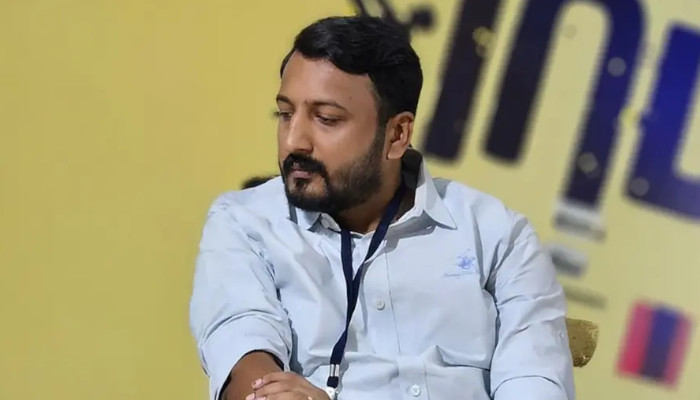
Confidence is silent. Insecurity shouts. When leaders confuse volume for strength, the party pays the price in credibility.
This Isn’t About Age—It’s About Readiness
Let’s be clear: this is not an argument against young leaders. Some of the finest administrators and politicians globally rose young—but they rose prepared. They listened. They learned. They earned respect before demanding it.
The problem is not youth. The problem is promoting people before they have learned three non-negotiables:
- Patience under pressure – the ability to pause instead of pounce.
- Respect for institutions – police stations, councils, courts are not stages.
- Emotional discipline – power tests character daily; tantrums fail it instantly.
More Examples, Same Pattern
Across states and parties, we’ve seen young appointees flame out the same way: social media bravado replacing governance, microphones replacing meetings, and confrontation replacing consensus. Each time, the senior leadership shrugs—until elections arrive and reality doesn’t.
Senior Leaders, This One’s on You
When elders anoint successors, they’re not just picking a face—they’re setting the party’s tone. If you reward impulsiveness, you institutionalize chaos. If you ignore maturity, you normalize arrogance.
Positions of power are not trial runs. They are trust contracts with the public. Break them often enough, and voters will cancel the subscription.
The Bottom Line
Ambition without maturity is dangerous. Authority without restraint is corrosive. And leadership without patience is just noise with a nameplate.
Promote talent—yes. Encourage youth—absolutely. But before handing over the keys, ask the hardest question: Can this person stay calm when provoked, dignified when powerful, and quiet when silence is required?
If the answer isn’t a confident yes, the elevation can wait. The consequences won’t.
Comments

Hi, I’m Nishanth Muraleedharan (also known as Nishani)—an IT engineer turned internet entrepreneur with 25+ years in the textile industry. As the Founder & CEO of "DMZ International Imports & Exports" and President & Chairperson of the "Save Handloom Foundation", I’m committed to reviving India’s handloom heritage by empowering artisans through sustainable practices and advanced technologies like Blockchain, AI, AR & VR. I write what I love to read—thought-provoking, purposeful, and rooted in impact. nishani.in is not just a blog — it's a mark, a sign, a symbol, an impression of the naked truth. Like what you read? Buy me a chai and keep the ideas brewing. ☕💭 For advertising on any of our platforms, WhatsApp me on : +91-91-0950-0950 or email me @ support@dmzinternational.com
