
Tantra: Unveiling the Technology Behind Ancient Practices
Tantra, a term often associated with mysticism and supernatural powers, holds a deep-rooted significance in ancient Indian practices. However, contrary to popular belief, tantra is not merely a means to fool or deceive people. Rather, it is a profound science that harnesses the power of mantra and yantra to achieve desired outcomes efficiently and effectively. In this article, we will look into the world of tantra, exploring its essence, the role of mantra and yantra, and its relevance in modern times.
Understanding Tantra:
Tantra, derived from the Sanskrit word meaning “technology,” represents a systematic approach to accomplishing various tasks. It is a comprehensive system that combines mantra (sacred sounds), yantra (machines), and specific rituals or processes. Tantra aims to tap into the hidden potential of individuals and the universe itself, enabling them to achieve desired results that may appear supernatural to ordinary perception.
The Power of Mantra:
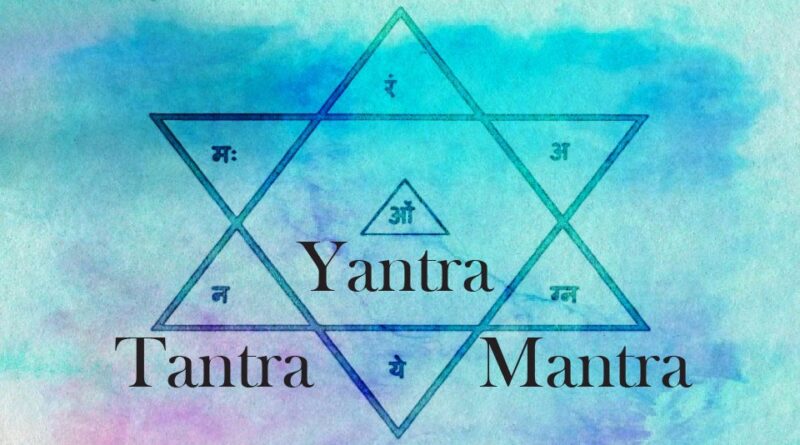
Mantra, a crucial component of tantra, involves the utilization of sacred syllables or sounds to invoke divine forces. These sounds are believed to possess immense power when correctly pronounced and chanted, creating a vibrational resonance that connects the practitioner with the desired deity or cosmic energy. Mantras act as powerful tools to focus the mind, purify the consciousness, and align with higher spiritual realms.
The Significance of Yantra:
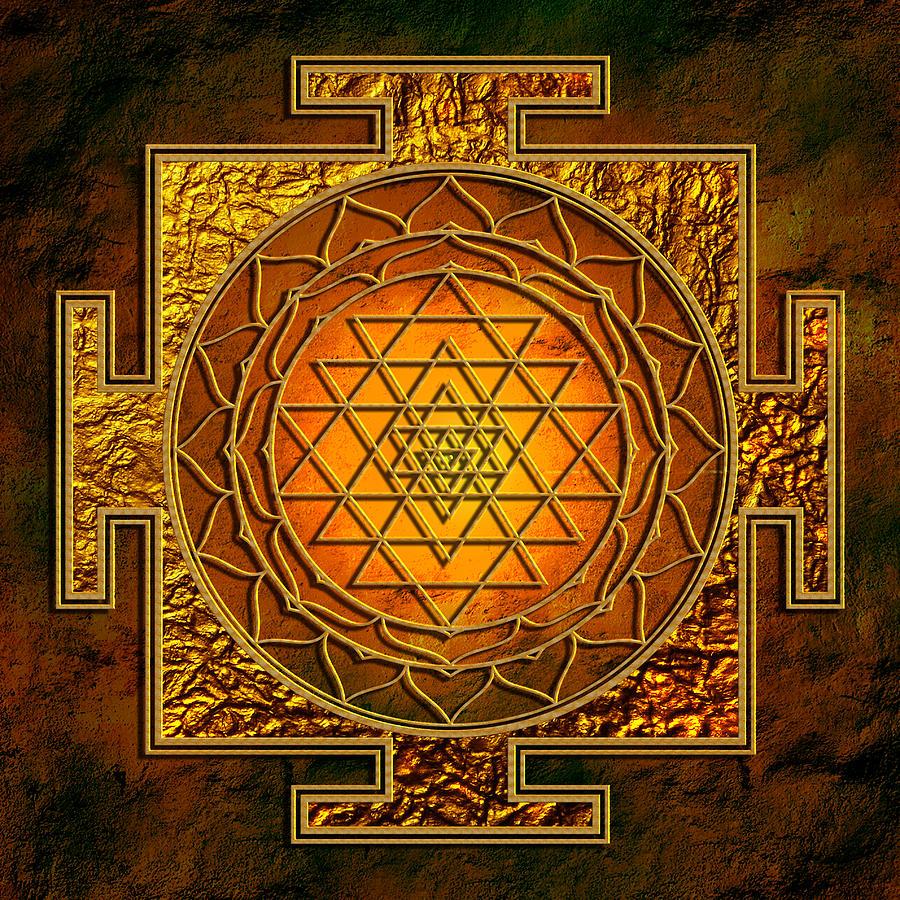
Yantra, the second pillar of tantra, refers to the use of machines or geometric diagrams imbued with sacred symbols. These yantras serve as powerful visual aids that amplify the intentions and energies invoked through mantras. The intricate designs and patterns of yantras facilitate the manifestation of desired outcomes, serving as a focal point for concentration and meditation.
The Integration of Mantra, Yantra, and Tantra:
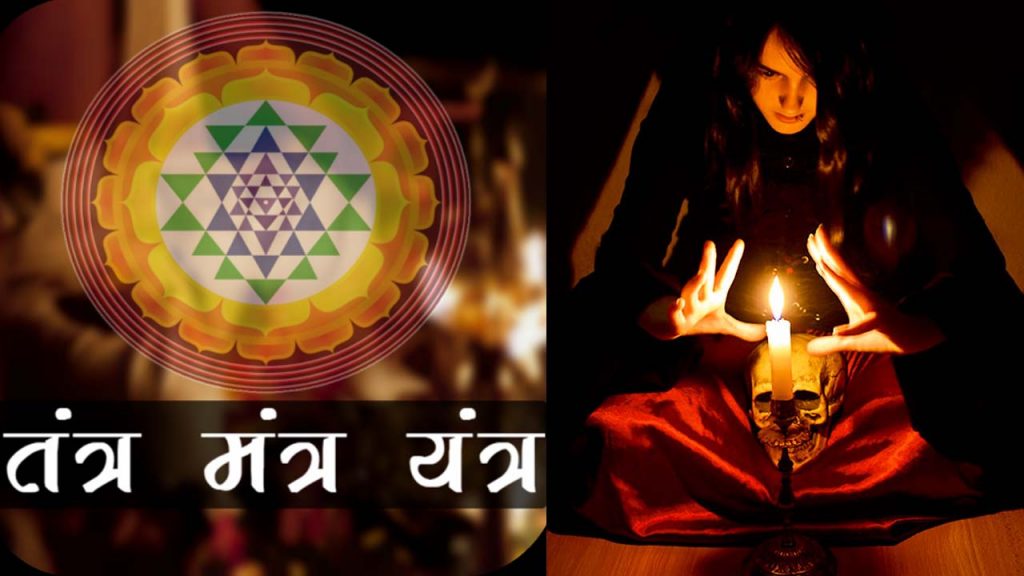
In Hinduism, the worship of deities often involves the intermingling of mantra, yantra, and tantra practices. The combination of these three elements enhances the efficacy of rituals and ceremonies, enabling individuals to tap into higher realms of consciousness, spiritual growth, and self-realization. The intricate relationship between mantra, yantra, and tantra is complex, and their distinction may not always be clear, as they often intertwine to fulfill specific purposes.
The Modern Relevance of Tantra:
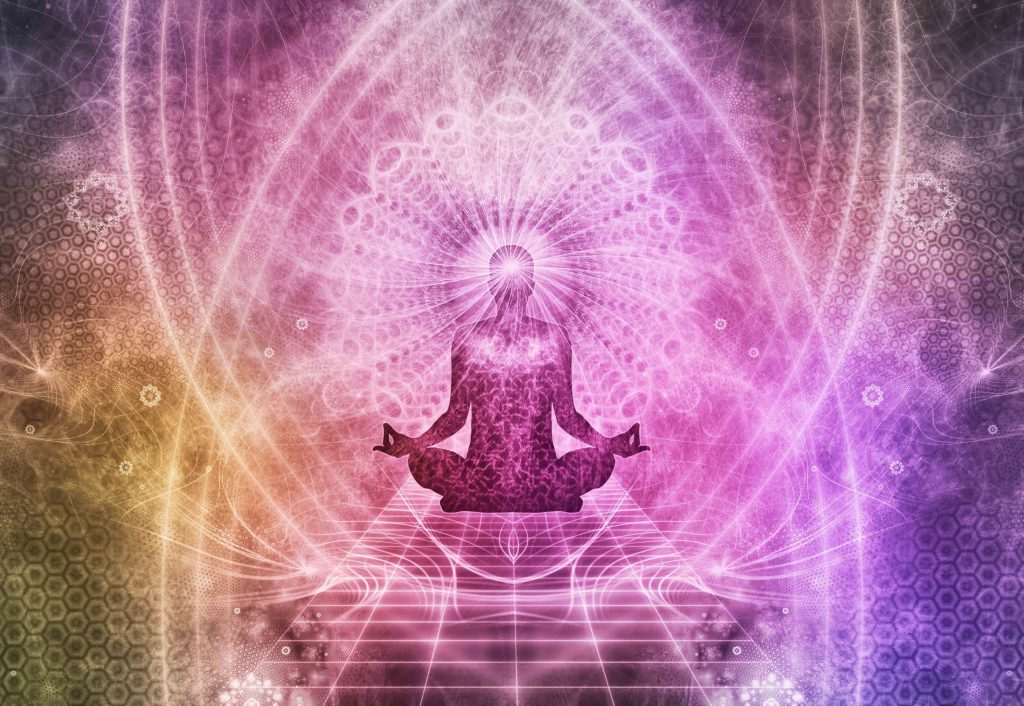
While tantra may be rooted in ancient traditions, its principles and techniques hold relevance in the modern world. The integration of mantra, yantra, and tantra practices can be seen in various aspects of life, including personal development, holistic healing, and spiritual awakening. Tantra offers a holistic approach that empowers individuals to tap into their inner potential, overcome obstacles, and manifest their desires effectively.
Conclusion:
Tantra, far from being a means of fooling people, is an ancient science that combines the power of mantra, yantra, and specific rituals to achieve desired outcomes. It represents a profound technology that connects individuals with higher realms of consciousness and enables them to unlock their hidden potential. In a world where quick results are often sought, tantra provides a comprehensive approach to harnessing personal power and manifesting desired outcomes. With its timeless wisdom and practical applications, tantra continues to inspire and guide seekers on their path of spiritual growth and self-realization.
Comments

Hi, I’m Nishanth Muraleedharan (also known as Nishani)—an IT engineer turned internet entrepreneur with 25+ years in the textile industry. As the Founder & CEO of "DMZ International Imports & Exports" and President & Chairperson of the "Save Handloom Foundation", I’m committed to reviving India’s handloom heritage by empowering artisans through sustainable practices and advanced technologies like Blockchain, AI, AR & VR. I write what I love to read—thought-provoking, purposeful, and rooted in impact. nishani.in is not just a blog — it's a mark, a sign, a symbol, an impression of the naked truth. Like what you read? Buy me a chai and keep the ideas brewing. ☕💭 For advertising on any of our platforms, WhatsApp me on : +91-91-0950-0950 or email me @ support@dmzinternational.com