
The Art of Critical Thinking: Challenging the Status Quo in Education
“The problem is that people are educated just enough to believe what they have been taught, and not educated enough to question anything from what they have been taught.” These profound words from the legendary physicist, Professor Richard Feynman, encapsulate a fundamental issue plaguing modern education systems worldwide. While education is meant to foster independent thinking and curiosity, it often falls short of empowering individuals to question the knowledge they acquire. This blog delves into this crucial issue, exploring the importance of critical thinking in education and the ways in which we can foster a generation of thinkers rather than mere believers.
The Conundrum of Conformity in Education
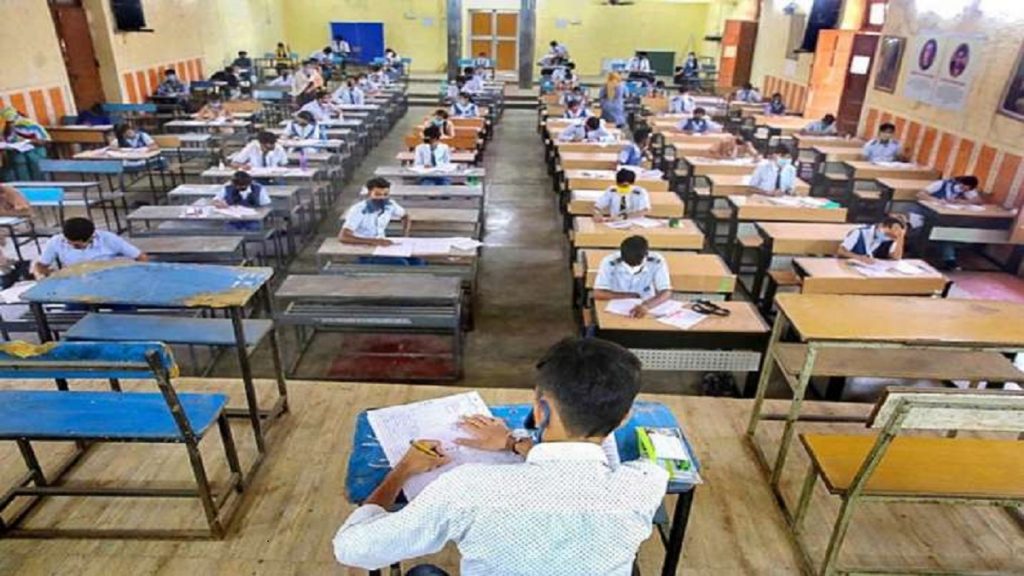
In today’s world, education is often synonymous with memorization and regurgitation. Students are inundated with facts, figures, and information to memorize, with little emphasis on critical thinking. This one-size-fits-all approach to education has created a generation of individuals who excel at following instructions but may struggle when asked to think beyond the prescribed curriculum.
1. Critical Thinking: What Is It?
Before delving deeper into the issue, it’s crucial to understand what critical thinking is. Critical thinking is the ability to objectively analyze, evaluate, and synthesize information to form well-reasoned judgments and decisions. It involves asking questions, challenging assumptions, and considering alternative perspectives.
2. The Role of Education in Shaping Minds
Education plays a pivotal role in shaping the minds of individuals. It should not merely be a process of imparting knowledge but should also teach students how to think critically. Sadly, many education systems prioritize rote learning over critical thinking.
3. The Consequences of Unquestioning Belief
When individuals are educated to accept information uncritically, they become susceptible to misinformation, manipulation, and dogma. This lack of critical thinking skills can have far-reaching consequences, not only for individuals but also for society as a whole.
4. Fostering Critical Thinking in Education

To address this issue, educators, policymakers, and parents must work together to promote critical thinking in education:
– Encouraging Questioning: Teachers should create an environment where questions are welcomed and encouraged. This helps students develop the habit of questioning the information they receive.
– Teaching Problem-Solving Skills: Problem-solving is a critical aspect of critical thinking. Education should focus on developing problem-solving skills that can be applied to various situations.
– Diverse Perspectives: Exposure to diverse viewpoints and perspectives can help students understand that there is often no one “right” answer. Encouraging debate and discussion can broaden their thinking.
– Interdisciplinary Learning: Integrating multiple disciplines can help students make connections between different fields of knowledge, fostering creativity and critical thinking.
– Real-World Applications: Education should connect theory with real-world applications, allowing students to see the practical relevance of what they learn.
– Assessment Methods: Assessment methods should move beyond rote memorization and include assessments that require critical thinking, such as essays, debates, and projects.
5. The Benefits of Critical Thinking in the Modern World

Teaching critical thinking has numerous benefits, not only for individuals but also for society:
– Improved Decision-Making: Critical thinkers make more informed and thoughtful decisions.
– Resilience to Misinformation: Critical thinkers are less susceptible to false information and propaganda.
– Innovation and Problem-Solving: Critical thinkers are better equipped to tackle complex problems and drive innovation.
– Engaged Citizenship: A society of critical thinkers is more likely to engage in meaningful civic discourse and contribute to positive change.
Conclusion
Professor Richard Feynman‘s words remind us of the pressing need to transform our education systems. We must empower individuals with the skills to question, analyze, and think critically. By doing so, we can break free from the cycle of blind acceptance and create a society of informed, engaged, and empowered individuals who will shape a better future. In fostering critical thinking, we not only honor the legacy of great minds like Feynman but also pave the way for a brighter and more intellectually vibrant world.
Comments

Hi, I’m Nishanth Muraleedharan (also known as Nishani)—an IT engineer turned internet entrepreneur with 25+ years in the textile industry. As the Founder & CEO of "DMZ International Imports & Exports" and President & Chairperson of the "Save Handloom Foundation", I’m committed to reviving India’s handloom heritage by empowering artisans through sustainable practices and advanced technologies like Blockchain, AI, AR & VR. I write what I love to read—thought-provoking, purposeful, and rooted in impact. nishani.in is not just a blog — it's a mark, a sign, a symbol, an impression of the naked truth. Like what you read? Buy me a chai and keep the ideas brewing. ☕💭 For advertising on any of our platforms, WhatsApp me on : +91-91-0950-0950 or email me @ support@dmzinternational.com