
The Wayanad Landslide: An Environmental Catastrophe and Its Lessons
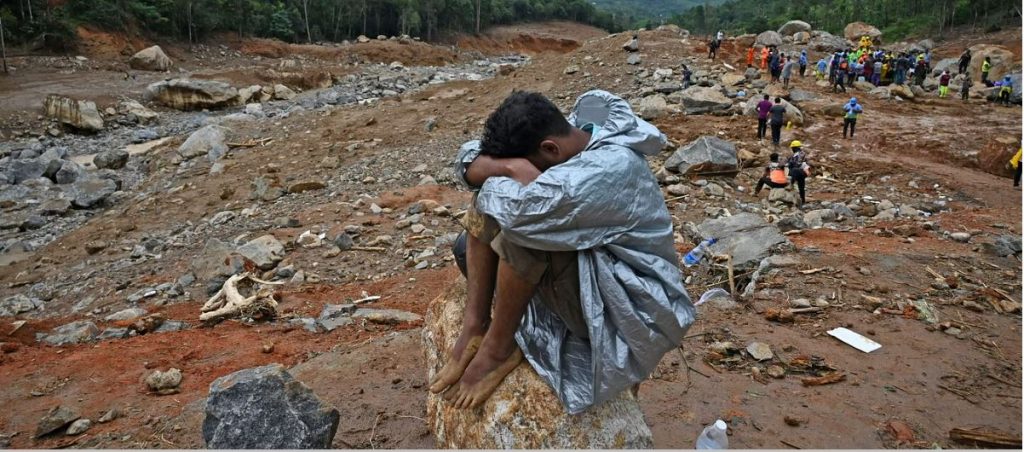
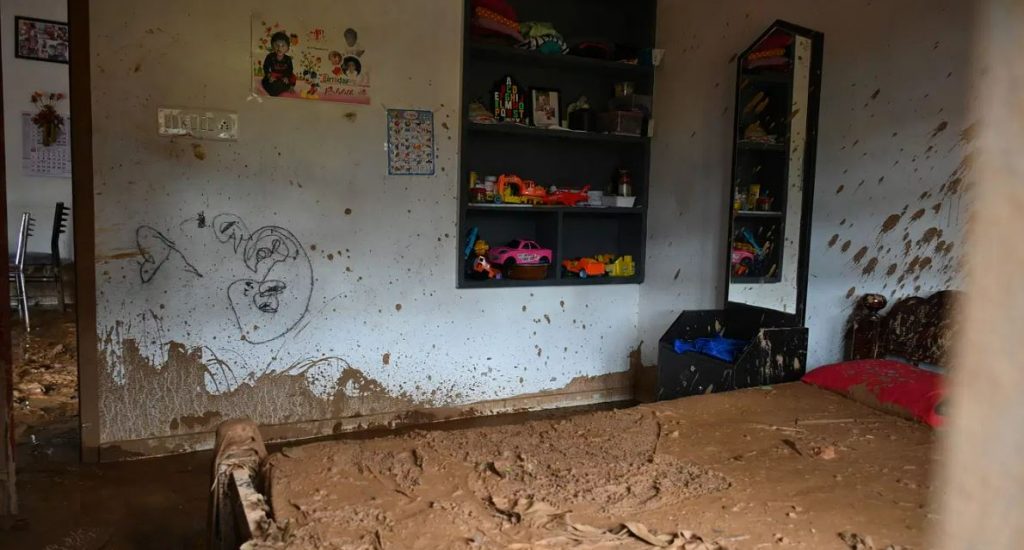
Last week, Wayanad witnessed what is being termed the biggest landslide in Kerala’s history. This catastrophic event has claimed over 300 lives, left more than 200 missing, and caused immense destruction to homes and infrastructure. While the rescue operations continue, it’s crucial to understand the root causes of this disaster and explore measures to prevent such tragedies in the future.
The Tragic Event
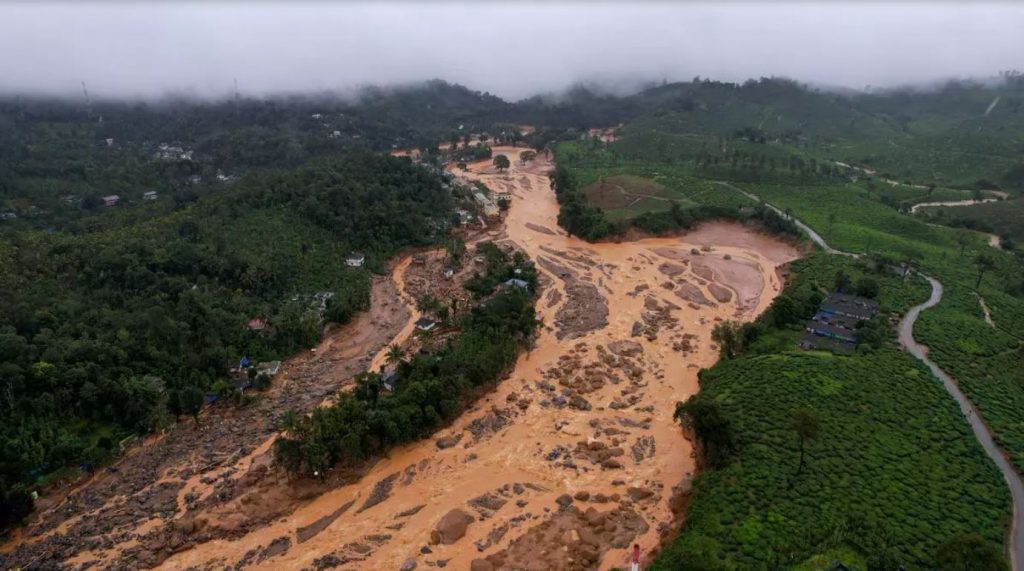
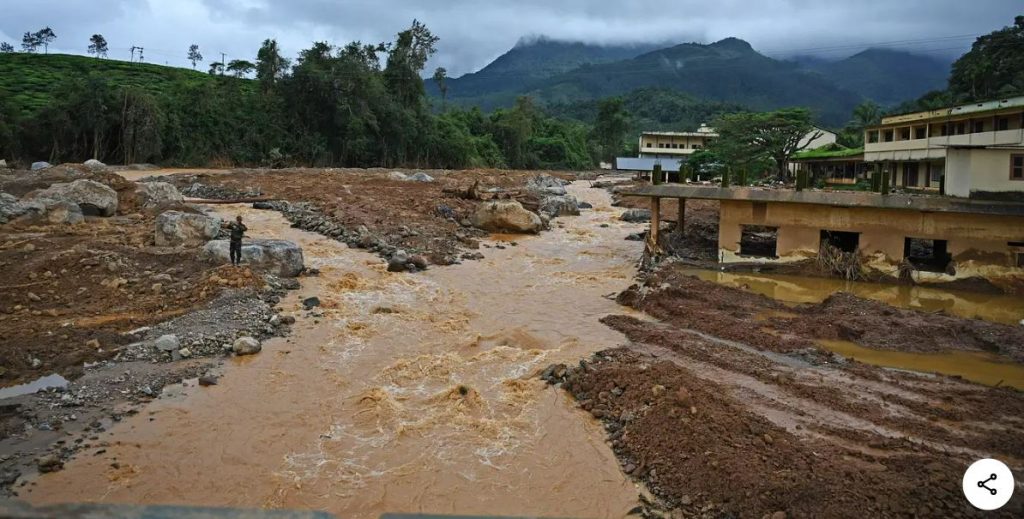
On that fateful day, the landslide struck with unprecedented intensity, devastating several areas in Wayanad, including Chooramala, Nedukkandam, and Punchirimuttam. The magnitude of this landslide is unparalleled, far surpassing previous incidents in the region. In one of the worst-hit areas, a similar event had claimed 20 lives and destroyed numerous homes. This recent landslide, however, has escalated the tragedy to a much larger scale.
The Debate: Ignoring the Gadgil Report
A significant debate has emerged around whether the disregard for the Gadgil Committee’s recommendations is to blame for this disaster. The Gadgil Committee, officially known as the Western Ghats Ecology Expert Panel (WGEEP), was set up in 2010 to assess the ecological health of the Western Ghats and provide guidelines for its conservation. The report highlighted the following critical concerns:
1. Deforestation: The unchecked felling of trees for agriculture, plantations, and development.
2. Construction: The rapid proliferation of concrete structures without adequate environmental impact assessments.
3. Mining: Extensive quarrying and mining activities destabilizing the terrain.
Despite these warnings, many of the recommendations were ignored or poorly implemented, leading to significant environmental degradation in the Western Ghats.
Understanding the Wayanad Landslide
Wayanad has seen substantial deforestation and the replacement of native forests with tea plantations, such as those managed by Harrison’s Tea Estate. While these tea estates might not seem as destructive as concrete buildings, they contribute to soil destabilization. Unlike deep-rooted native trees, tea plants have shallow roots, offering less stability to the soil, especially on steep slopes.
Furthermore, the areas affected by the recent landslide, like Chooramala and Nedukkandam, are relatively undeveloped with minimal concrete structures. This raises questions about the role of natural versus human-induced factors in such disasters.
Natural vs. Human-Induced Factors
Natural Factors:
– Heavy Rainfall: The Western Ghats receive intense monsoonal rains, which can trigger landslides.
– Geological Instability: The region’s terrain is naturally prone to landslides due to its steep slopes and loose soil composition.
Human-Induced Factors:
– Deforestation: The removal of deep-rooted trees weakens the soil’s integrity.
– Agricultural Practices: Converting forests to tea estates or other agricultural uses can exacerbate soil erosion.
– Infrastructure Development: Roads, buildings, and other infrastructure can destabilize slopes if not planned and constructed sustainably.
Solutions for Preventing Future Landslides
1. Implement Gadgil Report Recommendations: Strictly follow the guidelines for sustainable development, limiting deforestation, and controlling construction activities.
2. Reforestation: Plant deep-rooted native trees to stabilize soil and restore ecological balance.
3. Sustainable Agricultural Practices: Encourage agricultural methods that do not compromise the stability of the terrain.
4. Monitoring and Early Warning Systems: Develop and deploy advanced monitoring systems to predict and warn about potential landslides.
5. Community Awareness and Preparedness: Educate local communities about the risks and measures they can take to reduce the impact of such disasters.
Conclusion
The Wayanad landslide is a stark reminder of the delicate balance between human activities and natural ecosystems. Ignoring environmental guidelines can have devastating consequences. Our generation might be the last to die primarily from old age, while future generations are likely to face deaths largely caused by the devastating effects of climate change.
Wherever you are, wherever you hide, nature will find you: a warning from the earth.
To protect regions like Wayanad, a holistic approach that includes stringent implementation of conservation recommendations, sustainable practices, and community involvement is essential. Only by respecting and restoring our natural environment can we hope to prevent such catastrophic events in the future.
Comments

Hi, I’m Nishanth Muraleedharan (also known as Nishani)—an IT engineer turned internet entrepreneur with 25+ years in the textile industry. As the Founder & CEO of "DMZ International Imports & Exports" and President & Chairperson of the "Save Handloom Foundation", I’m committed to reviving India’s handloom heritage by empowering artisans through sustainable practices and advanced technologies like Blockchain, AI, AR & VR. I write what I love to read—thought-provoking, purposeful, and rooted in impact. nishani.in is not just a blog — it's a mark, a sign, a symbol, an impression of the naked truth. Like what you read? Buy me a chai and keep the ideas brewing. ☕💭 For advertising on any of our platforms, WhatsApp me on : +91-91-0950-0950 or email me @ support@dmzinternational.com