
War, Power, and Secrets: Did a Missile Strike Change the Epstein Narrative?
In global politics, timing is everything.
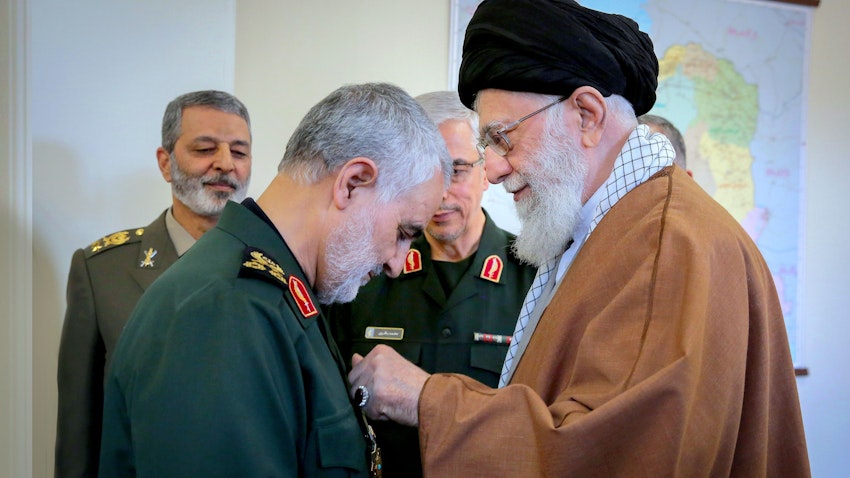
P.S: Qasem Soleimani (1957–2020) was a high-ranking Iranian Major General and commander of the Quds Force, an elite unit of the Islamic Revolutionary Guard Corps (IRGC)
The 2020 Context: A Season of Mediation
The assassination of Qasem Soleimani was carried out on January 3, 2020, via a targeted U.S. MQ-9 Reaper drone strike near Baghdad International Airport in Iraq. Ordered by then-President Donald Trump, the operation utilized precision-guided missiles to strike Soleimani’s convoy as he arrived for meetings with Iraqi officials. This high-stakes “decapitation strike” was justified by the Pentagon as a defensive measure to disrupt imminent Iranian-backed attacks on American personnel across the region.
In early 2020, following the assassination of Qasem Soleimani, the Middle East teetered on the edge of a regional war. During this period, Oman served as a critical “quiet mediator,” with then-Foreign Minister Javad Zarif visiting Muscat to signal Iran’s openness to dialogue. The primary goal of these backchannel messages was to de-escalate “maximum pressure” tensions and prevent a direct military confrontation between Washington and Tehran.
Ultimately, 2020 was characterized by a cautious pull-back from the brink. While rhetoric remained sharp, the diplomatic efforts led by Omani and European officials successfully channeled the crisis into indirect negotiations, avoiding a large-scale offensive and maintaining a fragile regional stability for the years that followed.
The 2026 Context: From Diplomacy to Conflict
Fast forward to late February 2026, where history appeared to repeat itself before taking a much darker turn. For the past week, high-level indirect talks were held in Geneva and Muscat, with Omani mediators reporting “significant progress” as late as February 27. However, the diplomatic window was shattered on February 28, 2026, when the U.S. and Israel launched a massive, joint military operation known as “Epic Fury.”
The scale of this current conflict far exceeds the tensions of 2020. Yesterday’s strikes targeted over 200 sites across Iran, resulting in the confirmed death of Supreme Leader Ali Khamenei and several top military commanders. In response, Iran has launched retaliatory strikes against Israel and U.S. bases throughout the Gulf, marking the start of a full-scale regional war that has completely superseded the diplomatic efforts of the previous week.
Why did this happen at this moment?
Oman had helped reduce tensions between the U.S. and Iran even during the Obama years. This continued after Trump started his “maximum pressure” policy against Iran. Reports from Reuters and Al Jazeera at that time said that backchannel talks were happening to prevent conflict.
Still, Trump approved the strike. He was strongly advised by Israeli Prime Minister Benjamin Netanyahu, who has always taken a hard stand against Iran. Was this just strategy? Or was something else happening in Washington?
In 2019 the first impeachment trial was about to begin for Trump. The House of Representatives impeached him on December 18, 2019, over issues related to Ukraine aid. The Senate trial was set to begin on January 16, 2020. Qasem Soleimani was assassinated on January 3, 2020
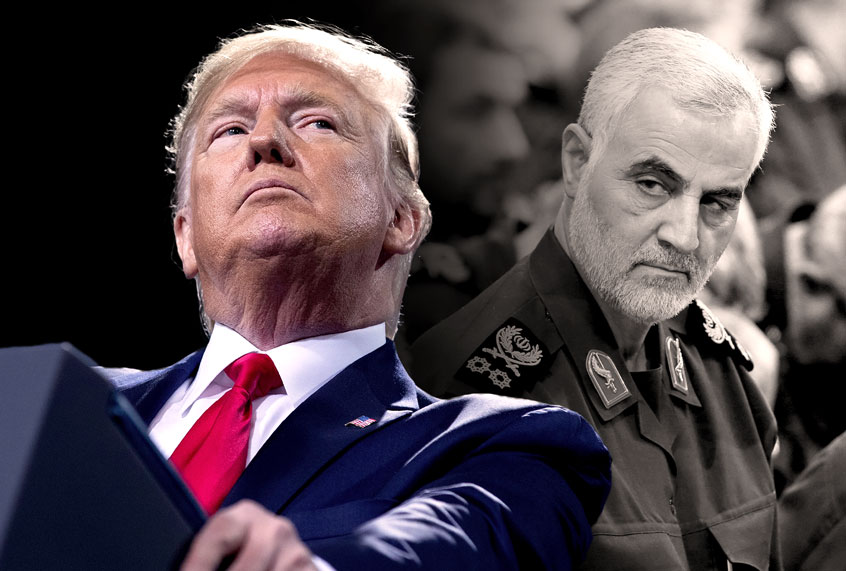
After the Soleimani strike, the focus of the media changed overnight. Instead of impeachment hearings, the news was about America’s military action against Iran. Trump said the strike stopped “imminent attacks,” meaning attacks that were about to happen. Later reports from The New York Times suggested he chose the most extreme option partly to avoid appearing weak. Some critics asked: was this a distraction from his political troubles?
Now add another layer: Jeffrey Epstein.
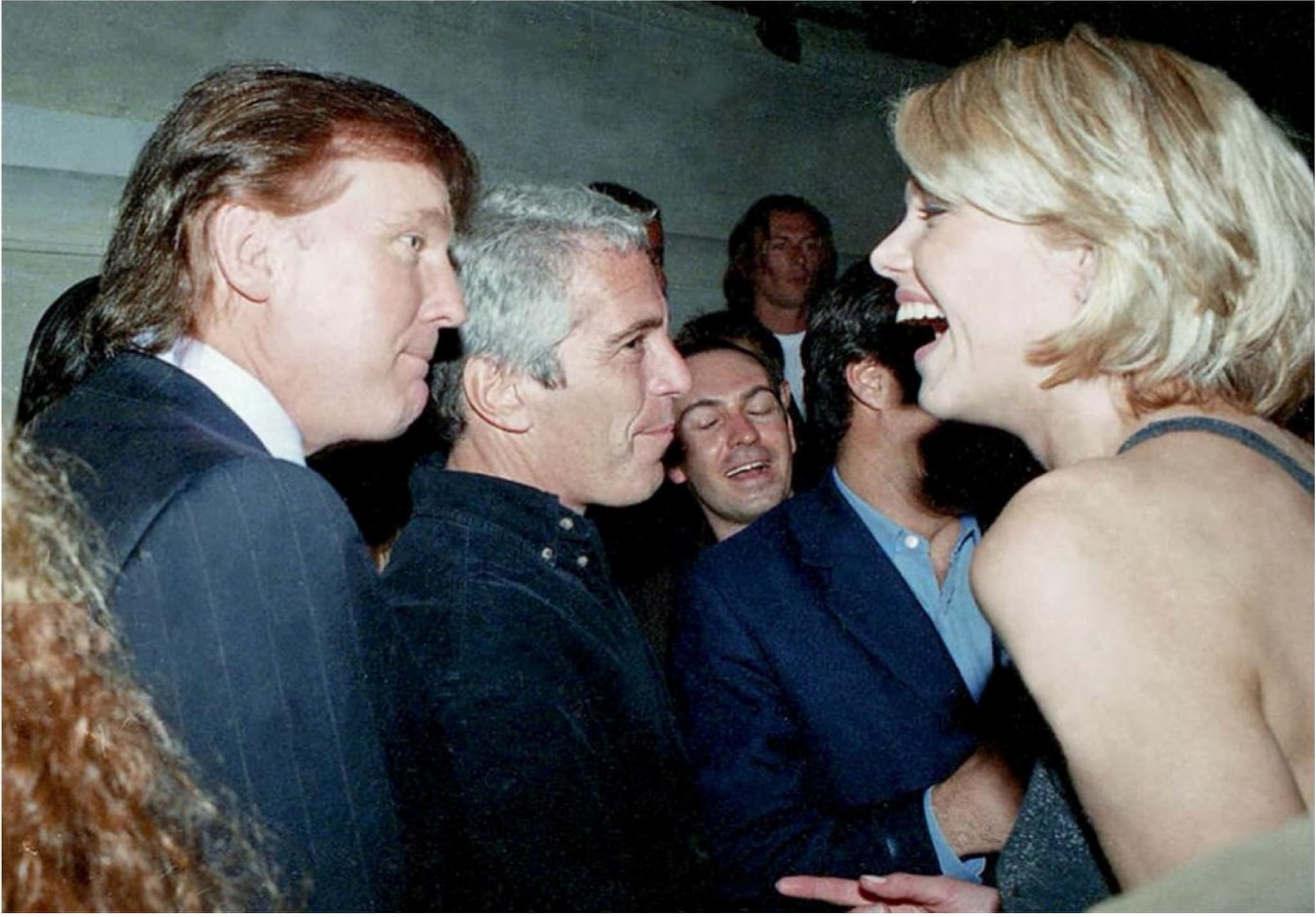
Epstein, a convicted sex offender and financier, died in jail in August 2019. Officials said it was suicide. Many people still doubt that explanation.
Epstein was Jewish, born to a modest family in New York. Some theories claimed he was connected to Israeli intelligence agency Mossad. A 2020 FBI memo mentioned a source who claimed Epstein was linked to Mossad and trained under former Israeli Prime Minister Ehud Barak. Books by Ari Ben-Menashe connected Epstein to Robert Maxwell, the father of Ghislaine Maxwell, who was widely reported to have intelligence connections.
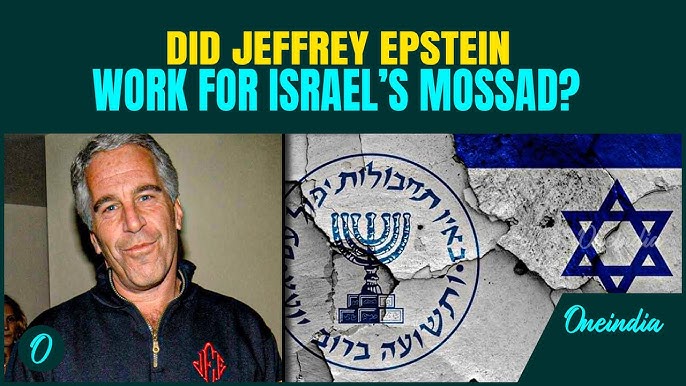
Media outlets such as Al Jazeera and Politico reported that Epstein donated money to Israeli groups like the Jewish National Fund and had links with some political organizations. Israeli leaders, including Benjamin Netanyahu and Naftali Bennett, strongly denied all such claims and called them completely false.
Epstein’s private island hosted powerful people — scientists, politicians, and billionaires. This created theories that he may have collected secrets on influential figures for blackmail.
Both Trump and Netanyahu had indirect links to people in Epstein’s circle.
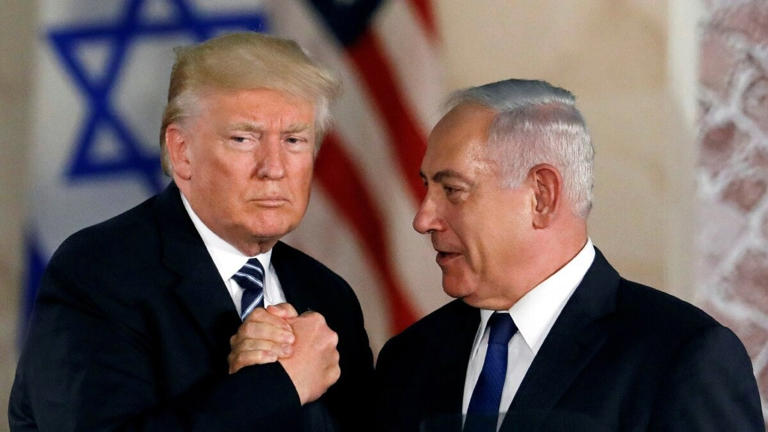
Trump had flown on Epstein’s plane and in 2002 called him a “terrific guy.” Later, Trump said they had a falling out. Netanyahu’s name appeared in documents connected to Barak’s meetings with Epstein.
In 2024 and 2025, new documents related to Epstein were released by the U.S. Department of Justice. Trump’s name appeared many times, mostly in news articles that Epstein had saved. Some tips sent to the FBI accused Trump of misconduct, but the Department of Justice noted that some of those claims were false. There has been no confirmed criminal case against Trump in the Epstein matter.
Then comes Elon Musk.
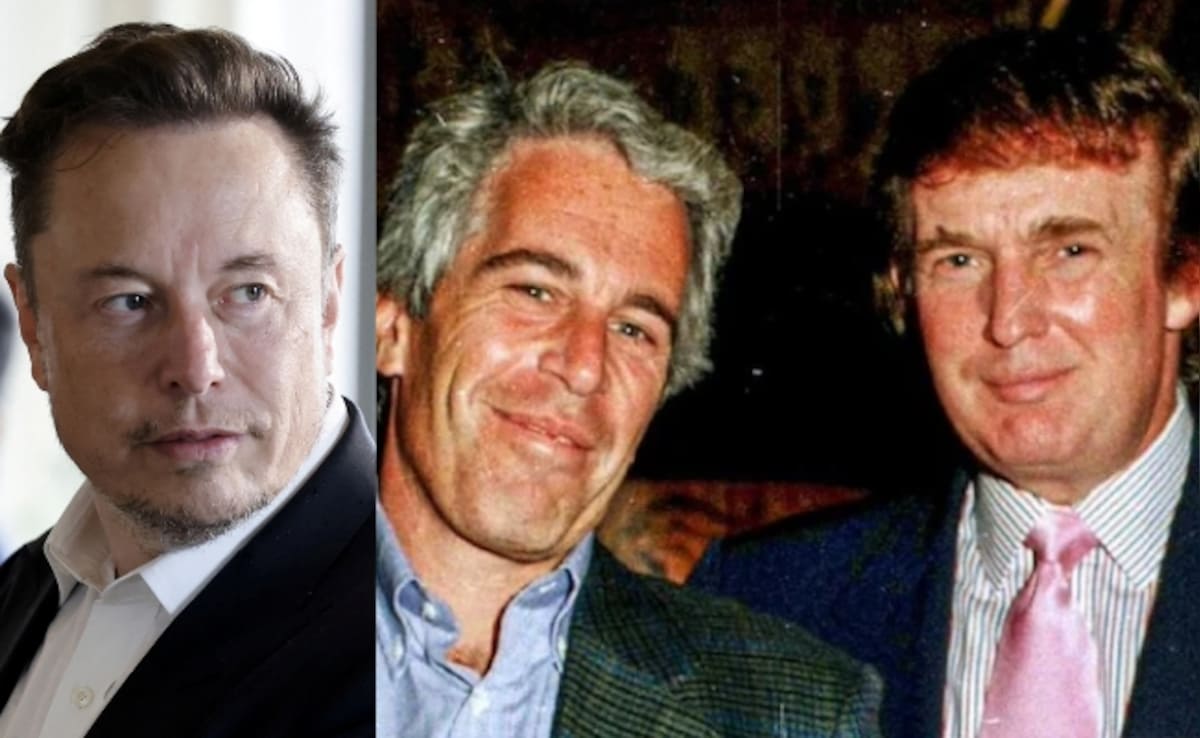
In 2025, during a public disagreement with Trump, Musk posted on social media that Trump’s name was in the Epstein files and suggested that this was why some documents were not released. He later deleted the post. Musk criticized the Justice Department for not making arrests and called the situation a “cover-up.”
However, later document releases also mentioned Musk. Emails showed that in 2012 he asked Epstein about events on his island. Musk and his former wife Talulah Riley were said to have asked about visiting. Musk denied wrongdoing and said he was misled.
So, what does all this mean?
Some people connect the timing of the Soleimani strike, the impeachment trial, and the fresh attention on Epstein’s death. They believe the Middle East crisis may have shifted public focus away from domestic scandals.
There is no confirmed proof of a coordinated plan between Trump and Netanyahu to distract from Epstein-related issues. Much of this remains speculation. But the timing of events continues to raise questions for many observers.
Powerful people often operate behind closed doors. Scandals can fade from headlines when larger crises take over. Whether these events were connected or simply coincidental is still debated.
One thing is clear: transparency matters. When governments and leaders withhold information, public trust weakens. In politics, sometimes the real battle is not just about war or peace — but about controlling the story.
Comments

Hi, I’m Nishanth Muraleedharan (also known as Nishani)—an IT engineer turned internet entrepreneur with 25+ years in the textile industry. As the Founder & CEO of "DMZ International Imports & Exports" and President & Chairperson of the "Save Handloom Foundation", I’m committed to reviving India’s handloom heritage by empowering artisans through sustainable practices and advanced technologies like Blockchain, AI, AR & VR. I write what I love to read—thought-provoking, purposeful, and rooted in impact. nishani.in is not just a blog — it's a mark, a sign, a symbol, an impression of the naked truth. Like what you read? Buy me a chai and keep the ideas brewing. ☕💭 For advertising on any of our platforms, WhatsApp me on : +91-91-0950-0950 or email me @ support@dmzinternational.com