
War’s Hidden Fortunes: Tracing the Wealth Behind Global Conflicts
Identifying who is making money from war often involves examining various aspects of the conflict, including the key players, their interests, and their sources of income. While it’s essential to consider the specific context of each conflict, here are some common factors to investigate:
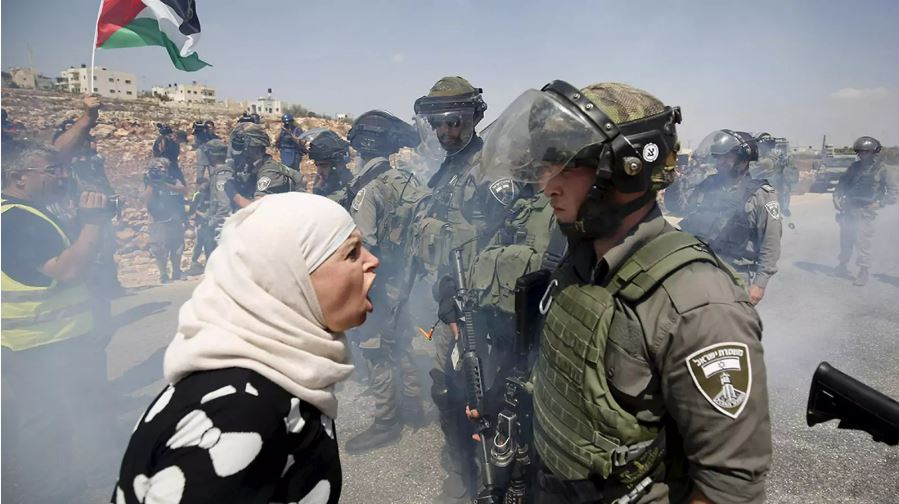
1. Arms Manufacturers and Suppliers: Companies involved in the production and sale of weapons, ammunition, and military equipment often profit from war. These defense contractors may provide arms to one or more parties in the conflict, making substantial profits from weapon sales.
2. Mercenary and Private Military Companies (PMCs): Private military companies, such as Blackwater (now known as Academi), have been known to profit from war by providing security, combat, and other military services to governments, corporations, or other entities involved in the conflict.
3. Natural Resources: Conflicts in resource-rich regions can lead to companies extracting valuable resources like oil, minerals, and timber. These companies may align themselves with or support particular factions in exchange for access to these resources.
4. Banking and Finance: Banks and financial institutions may indirectly profit from war by providing loans, investments, or financial services to governments or corporations involved in conflicts. These institutions may also facilitate the flow of funds to conflict parties.

5. Contractors and Suppliers: Various companies provide logistical support, infrastructure development, and other services to military forces involved in a conflict. These firms can make substantial profits from contracts with the military.
6. War Profiteers and Warlords: In some cases, individuals or groups within conflict zones may exploit the situation for personal gain. They may engage in activities such as smuggling, extortion, and looting.
7. Political Interests: Politicians and governments may support or engage in war to achieve political objectives, which could include gaining or maintaining power, diverting attention from domestic issues, or pursuing geopolitical goals.
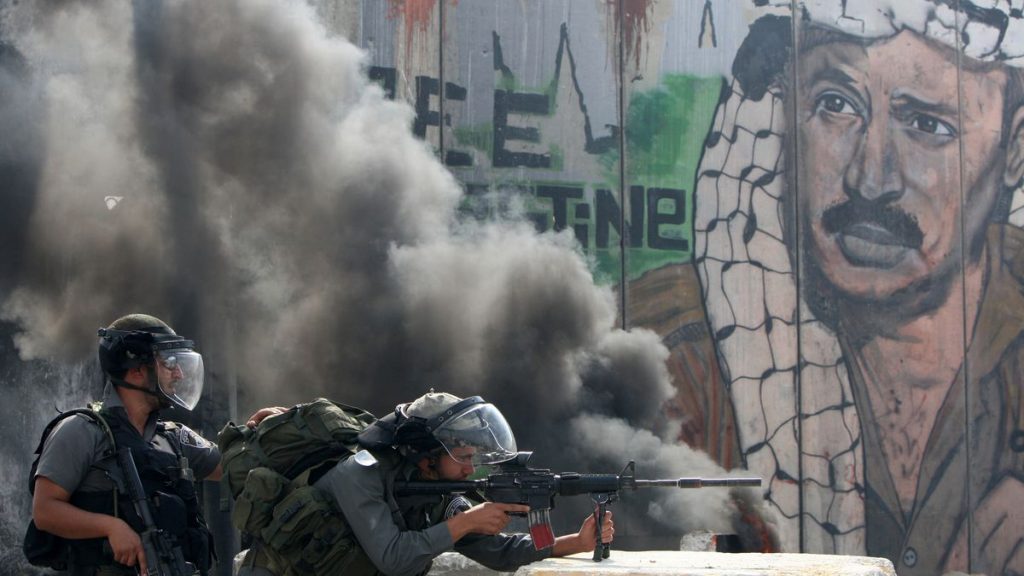
8. International Arms Trade: Arms exports and imports are regulated by governments and international bodies. Monitoring these transactions can provide insights into which countries are supplying arms to conflict parties.
9. Humanitarian Organizations: While most humanitarian organizations operate to alleviate suffering during conflicts, there have been cases of misappropriation of funds or resources by individuals or groups within these organizations.
10. Media and Propaganda: Some media outlets and propaganda agencies may benefit from war by disseminating biased or sensationalized information that fuels the conflict and attracts viewership or readership.
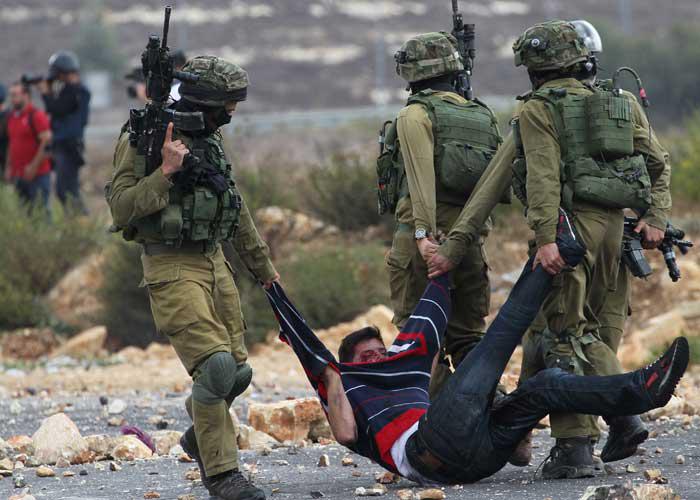
It’s essential to conduct thorough research and investigation to identify the specific actors and interests involved in a particular conflict. Transparency, accountability, and international efforts to regulate the arms trade and prevent war profiteering are important steps toward addressing the issue of who benefits from war.

Comments

Hi, I’m Nishanth Muraleedharan (also known as Nishani)—an IT engineer turned internet entrepreneur with 25+ years in the textile industry. As the Founder & CEO of "DMZ International Imports & Exports" and President & Chairperson of the "Save Handloom Foundation", I’m committed to reviving India’s handloom heritage by empowering artisans through sustainable practices and advanced technologies like Blockchain, AI, AR & VR. I write what I love to read—thought-provoking, purposeful, and rooted in impact. nishani.in is not just a blog — it's a mark, a sign, a symbol, an impression of the naked truth. Like what you read? Buy me a chai and keep the ideas brewing. ☕💭 For advertising on any of our platforms, WhatsApp me on : +91-91-0950-0950 or email me @ support@dmzinternational.com