
What China & Pakistan Learned After India’s Ruthless Response to the Pahalgam Attack
🔥When the Dragon Failed to Breathe Fire:
The deadly Pahalgam terror attack orchestrated by Pakistan-backed militants was not just another tragedy — it was a test. A test of India’s resolve, military might, and its new-age war strategy. What followed was a two-day retaliation by India that didn’t just shake Islamabad but embarrassed Beijing and left Ankara stunned. Why? Because the warzone became a real-time testing ground for Chinese and Turkish weapon systems — and they failed miserably.
🇵🇰 The Fallout for Pakistan:
A Bitter Pill Dipped in Chinese Paint
Pakistan, relying heavily on Chinese and Turkish-made drones, missiles, and launchers, thought they could outmaneuver India in a limited skirmish. But the reality was humiliating:
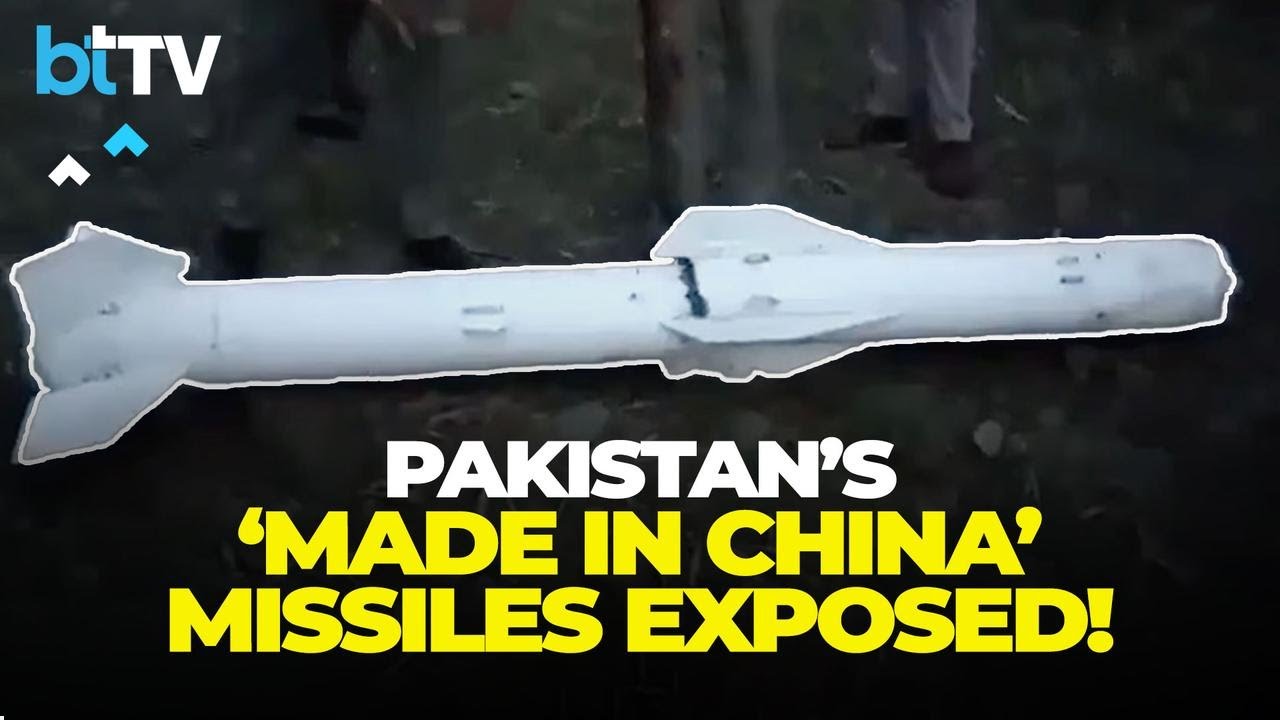
- 🚀 Chinese missiles misfired, some even landed inside Indian territory without detonating — a shocking failure in war-grade weaponry.
- 🛸 Turkish drones, once hyped for their performance in Syria and Libya, were neutralized in minutes by Indian electronic warfare and surface-to-air defense systems.
- 🔋 Pakistani radar and communication systems, mostly built with Chinese tech, were jammed and blinded, leaving their units directionless.
💥 The Ugly Truth Pakistan Learned:
- Cheap doesn’t mean reliable: Chinese weapons come at low costs but compromise on quality, precision, and durability.
- No real-time backup: China and Turkey were mute spectators during the clash — no reinforcements, no diplomatic support.
- India is not the India of 1999 or 2008. It’s now a militarized tech-power ready to bite back.
🧱 The Great Wall Cracked:
What China Learned from the Skirmish
For China, which dreams of replacing the US as the global military superpower, the India-Pakistan micro-war was an unintended showcase of its shortcomings. Here’s what they learned:
- ❌ Weapon Quality Exposure: Chinese weaponry like the Wing Loong drones and HQ-series missiles underperformed. Real-time battlefield performance fell far below what their brochures claimed.
- 🚫 Failure Against S-400 and Indigenous Defenses: India’s Russian-made S-400 Triumf systems and homemade interceptors like Akash and Astra intercepted every major projectile. Not only were Chinese missiles intercepted, but none penetrated key Indian targets.
- 😶 Global Reputation Questioned: Countries eyeing Chinese arms — from Africa to Latin America — are now reassessing their defense deals. The mask of “world-class military tech” slipped.
The Dragon’s Strategic Takeaways:

- Focus on quality over quantity: China floods the market with arms, but few match NATO or Indian defense quality.
- Stop underestimating Indian military modernization.
- China’s propaganda vs. battlefield reality has now been publicly exposed.
🇮🇳 India 2025:
A Rising Superpower Armed to the Teeth
India’s performance in this skirmish wasn’t just retaliation. It was a live demo of its indigenous military capability. Here’s a breakdown of India’s offensive and defensive muscle:
| System | Type | Capability |
|---|---|---|
| BrahMos | Supersonic Cruise Missile | World’s fastest, India-Russia joint venture |
| Akash | Surface-to-Air Missile | Intercepts fighter jets, cruise missiles |
| Astra | Air-to-Air Missile | Beyond visual range, fully indigenous |
| Pinaka | Multi-barrel Rocket Launcher | 75km range, saturation bombing |
| S-400 Triumf | Air Defense System | Intercepts ballistic missiles, drones |
| Tejas Mk1A | Light Combat Aircraft | Indigenous fighter with modern avionics |
| INS Vikrant | Aircraft Carrier | Showpiece of India’s naval strength |
| DRDO’s EW Systems | Electronic Warfare | Jam, detect, and disrupt enemy systems |
Why India’s Military is Feared Now:
- India no longer just imports — it manufactures, tests, and deploys advanced weapon systems.
- Rapid development of hypersonic missiles, cyber warfare units, and AI-backed battlefield analytics.
- Satellite-based reconnaissance, with ISRO’s military satellites enabling real-time surveillance.
💣 Global Implications:
The World is Watching… and Learning
- Arms buyers are reconsidering Chinese and Turkish products after real-time failure.
- India is being viewed as a reliable military technology hub, with countries in Southeast Asia, Africa, and even Europe eyeing BrahMos and Akash systems.
- Pakistan’s overreliance on foreign weaponry has turned it into a dependent state with no indigenous fallback.
📢 Final Thoughts:
India’s message was loud and clear: We may be a peace-loving nation, but if provoked, we will strike with speed, precision, and devastating effectiveness. The Pahalgam attack triggered not just a counterstrike, but a global reassessment of defense partnerships.
Pakistan learned that borrowed weapons can’t buy victory.
China learned that its military chest-thumping needs substance, not just slogans.
And the world? The world just got a glimpse of India’s unstoppable military evolution.
India 2025: A Rising Superpower:
Comments

Hi, I’m Nishanth Muraleedharan (also known as Nishani)—an IT engineer turned internet entrepreneur with 25+ years in the textile industry. As the Founder & CEO of "DMZ International Imports & Exports" and President & Chairperson of the "Save Handloom Foundation", I’m committed to reviving India’s handloom heritage by empowering artisans through sustainable practices and advanced technologies like Blockchain, AI, AR & VR. I write what I love to read—thought-provoking, purposeful, and rooted in impact. nishani.in is not just a blog — it's a mark, a sign, a symbol, an impression of the naked truth. Like what you read? Buy me a chai and keep the ideas brewing. ☕💭 For advertising on any of our platforms, WhatsApp me on : +91-91-0950-0950 or email me @ support@dmzinternational.com