
Why One Person Panics and Another Stays Calm
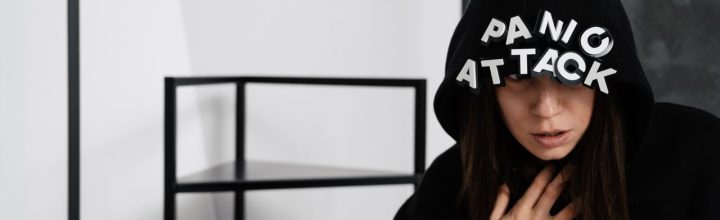
Two colleagues get the same email about a missed deadline. One cannot sleep that night. The other shrugs and goes for tea. We call the first weak and the second strong. Science says it is not that simple.
What genes have to do with it
Twin studies suggest that about one-third to one-half of the difference in anxiety between people is inherited. No single “stress gene” exists, but a few genes have been studied closely.
COMT controls how fast the brain clears dopamine. The “Met” version clears it slowly. Researchers call these people “worriers.” They often think sharply in calm conditions but struggle under pressure. The “Val” version clears it fast. These “warriors” stay steadier under pressure but may perform slightly worse in easy conditions.
FKBP5 helps switch off the stress hormone cortisol after danger passes. A 2008 study by Binder and colleagues found that certain variants, combined with childhood trauma, raised the risk of PTSD in adults. The gene alone did little. The gene plus a hard childhood made the difference.
5-HTTLPR affects serotonin. A famous 2003 study by Caspi and colleagues linked its short version to depression after stressful life events. Later studies disagreed, so this finding is still debated. It shows that science here is not settled.
Genes are not destiny
Michael Meaney’s animal research showed that rat pups licked and groomed more by their mothers developed calmer stress systems. The cause was chemical tags on the stress-receptor gene (NR3C1) that changed how active it was. Similar tags were later found in the brains of people who suffered abuse in childhood. Experience can change how genes behave.
Researchers also describe “orchid” and “dandelion” people. Dandelions survive almost anywhere. Orchids are sensitive: they do badly in harsh homes but can do better than anyone in kind, supportive ones. So a sensitive person is not broken. They need the right environment.
The two types: gains and costs
The easily stressed person. The gain is early warning. They plan ahead, check details, and notice danger. The cost is high. Long-term high cortisol is linked to high blood pressure, poor sleep, anxiety, and depression. The INTERHEART study of 52 countries found that psychosocial stress was among the nine main risk factors for heart attack.
The hard-to-stress person. The gain is a clear head in a crisis, which suits doctors, pilots, and leaders. The cost is hidden. A very weak stress response has been linked to risk-taking, weak learning from mistakes, and addiction. Such people may ignore warning signs about their health, money, or relationships. They may also seem cold to others.
Which is more dangerous?
Both extremes carry risk, but the quiet one is more dangerous because nobody sees it. The anxious person is noticed and often gets help. The person who feels nothing may walk into a disaster with a smile. Moderate stress improves performance, a pattern known as the Yerkes-Dodson law. Balance is the goal.
How to notice them around you
Highly reactive: irritable over small things, repeated checking, constant need for reassurance, headaches, poor sleep, avoiding decisions.
Very low reactive: calm even when the situation clearly needs concern, repeated risky choices, the same mistakes again and again, little reaction to other people’s worry.
Truly resilient: reacts at first, then recovers quickly. The speed of recovery matters more than the first reaction.
One warning: a calm face can also be a mask. Some people hide stress because of shame. In India, the National Mental Health Survey (2015–16) found that about 10.6% of adults had a mental disorder, and the treatment gap was between 70% and 92%. Many people suffer silently.
What to do
If you are the sensitive type, treat your body with care. Sleep, exercise, and talking to someone you trust reduce cortisol. If you are the unshakeable type, build the habit of asking, “What am I missing?”
Judge people by how they recover, not by how they react. Your genes load the gun, but your life decides whether it fires.
Comments

Hi, I’m Nishanth Muraleedharan (also known as Nishani)—an IT engineer turned internet entrepreneur with 25+ years in the textile industry. As the Founder & CEO of "DMZ International Imports & Exports" and President & Chairperson of the "Save Handloom Foundation", I’m committed to reviving India’s handloom heritage by empowering artisans through sustainable practices and advanced technologies like Blockchain, AI, AR & VR. I write what I love to read—thought-provoking, purposeful, and rooted in impact. nishani.in is not just a blog — it's a mark, a sign, a symbol, an impression of the naked truth. Like what you read? Buy me a chai and keep the ideas brewing. ☕💭 For advertising on any of our platforms, WhatsApp me on : +91-91-0950-0950 or email me @ support@dmzinternational.com