
AI Arms Race 2.0: Small Nations, Large Robot Wars
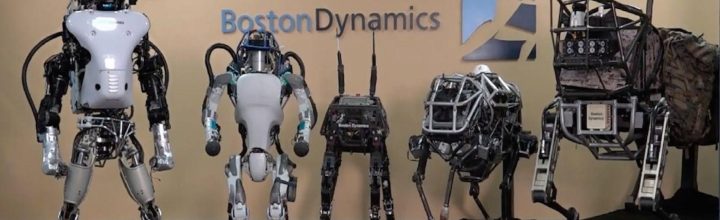
🧠Drones don’t negotiate. And now, even the smallest nations can afford to send them to war.
🤖 Once upon a time, war was about boots on the ground. Now, it’s about bots in the sky.
The modern battlefield is no longer defined by muscle or manpower—but by code, chips, and cold decision-making. After Ukraine turned drone warfare into the new face of conflict, a silent revolution began: AI-powered autonomous weapons are being shipped not to superpowers—but to small nations hungry for leverage.
Welcome to AI Arms Race 2.0, where the big players are not just fighting—but selling war.
🛰️ From Ukraine to Everywhere: The Post-War Domino Effect
The Russia-Ukraine war flipped the military playbook. Commercial drones, modified with explosives, became heroes and villains. They were fast, cheap, scalable—and deadly.
Suddenly, every small nation with a border dispute, internal insurgency, or paranoid neighbor thought the same thing:
“If Ukraine can fight a superpower with DJI drones and satellite AI… why can’t we?”
Result? A global shopping spree for AI warfare tools.
🛒 WarTech for Sale: Big Powers Become War Retailers
Countries like the U.S., Israel, Turkey, China, and Russia are now in the business of exporting not just defense—but offense:
- Turkey sold its Bayraktar drones to over 20 countries.
- China’s Wing Loong drones are flying in Africa and the Middle East.
- Israel provides AI targeting systems to allies.
- Russia, despite sanctions, exports loitering munitions and counter-drone jammers.
- The U.S. pushes battlefield AI as part of “military aid.”
What’s common? Autonomy—drones that can find, follow, and finish without a human in the loop.
This is not a Cold War. This is an open market for hot conflict.
🇮🇳 India’s Turn: DRDO, Private Players, and the Swarm Future
India, too, has entered the arena—quietly, but aggressively. DRDO (Defence Research and Development Organisation) is working with Indian startups to develop:
- Autonomous border surveillance drones
- AI-powered loitering munitions (aka suicide drones)
- Swarm tech that can operate in coordinated clusters
And here’s the silent headline:
Entire border regions—especially high-risk zones like Kashmir, Ladakh, and Arunachal Pradesh—are being mapped for future drone-first defense.
Human soldiers? They’ll be operators, not fighters. Borders may soon be guarded by unmanned aerial walls—constantly flying, constantly watching, and ready to kill.
⚠️ The Moral Mess: Who’s Accountable When the AI Kills?
The scariest part of this AI arms race isn’t the speed. It’s the silence of law.
- Who is responsible when a drone misidentifies a civilian?
- What happens when AI bots start targeting based on flawed data?
- Can you punish an algorithm for war crimes?
This race is happening faster than international laws can blink. Geneva Conventions were not built for code-written soldiers. AI warfare is unregulated, untested, and unhinged.
And in the hands of small nations with fragile democracies or authoritarian regimes?
That’s a recipe for automated atrocities.
🌍 Small Nations, Big Temptations
Countries like Azerbaijan, Ethiopia, Philippines, and even Pacific island nations are buying military-grade drone systems with AI targeting. Some are even leasing bots on a “use and return” basis.
For them, this is a shortcut:
- No need for years of training troops.
- No protests over casualties.
- No media backlash from sending humans to war.
Why train a soldier for ₹10 lakh when you can buy a killer drone for ₹1 lakh?
It’s brutal economics.
🔮 The Unstoppable Future: Wars Without Warnings
Here’s what’s coming:
- Drone-on-drone battles in the sky—AI vs AI dogfights.
- Swarm saturation—hundreds of small drones overrun enemy radars.
- Geo-fencing attacks—AI drones enter an area, execute the mission, and self-destruct.
- Zero-hour wars—no mobilization, just launch.
In this war theatre, humans won’t lead charges. They’ll watch screens as bots destroy cities.
🧩 Final Thought: Are We Automating Our Extinction?
The AI arms race was never about power. It’s about control—and we’re rapidly losing it.
From Ukraine’s homemade drone strikes to India’s border swarm projects, the line between security and slaughter is becoming a line of code.
The more we let machines make life-and-death decisions, the less human war becomes.
And in this new world, even peace can be programmed—or permanently deleted.
🛑 Let’s Ask Ourselves:
- Do we want a world where poor nations fight each other with rich nations’ algorithms?
- Should border conflicts be resolved by bots with no conscience?
- Will the next global war begin… with a drone that didn’t wait for permission?
Because in the AI battlefield, delay is defeat—and ethics is just lag.
✍️ Written for Nishani.in
🔗 If you think war is still about humans, think again. In AI Arms Race 2.0, the bots already won the first round.
Comments

Hi, I’m Nishanth Muraleedharan (also known as Nishani)—an IT engineer turned internet entrepreneur with 25+ years in the textile industry. As the Founder & CEO of "DMZ International Imports & Exports" and President & Chairperson of the "Save Handloom Foundation", I’m committed to reviving India’s handloom heritage by empowering artisans through sustainable practices and advanced technologies like Blockchain, AI, AR & VR. I write what I love to read—thought-provoking, purposeful, and rooted in impact. nishani.in is not just a blog — it's a mark, a sign, a symbol, an impression of the naked truth. Like what you read? Buy me a chai and keep the ideas brewing. ☕💭 For advertising on any of our platforms, WhatsApp me on : +91-91-0950-0950 or email me @ support@dmzinternational.com


