
Builder.ai’s Fall from Glory: How a Hyped Unicorn Became a Cautionary Tale of AI Illusion and Startup Overreach
The AI Poster Child That Promised Too Much
Once celebrated as a game-changer in the AI and no-code software development world, Builder.ai has now entered insolvency — sending shockwaves across the startup ecosystem. This wasn’t just another startup with big dreams; this was a unicorn with $250M+ in funding, partnerships with Microsoft, and claims of revolutionizing how apps were built — all through the magic of Artificial Intelligence.
But like many before it, the fairy tale is unraveling.
This is not just a story about one company’s downfall. This is about a pattern. A mirror held up to the tech world’s obsession with hype over substance. The cracks were always there — we just didn’t look closely enough.
🧠 Who Built Builder.ai?
- Founded: 2016
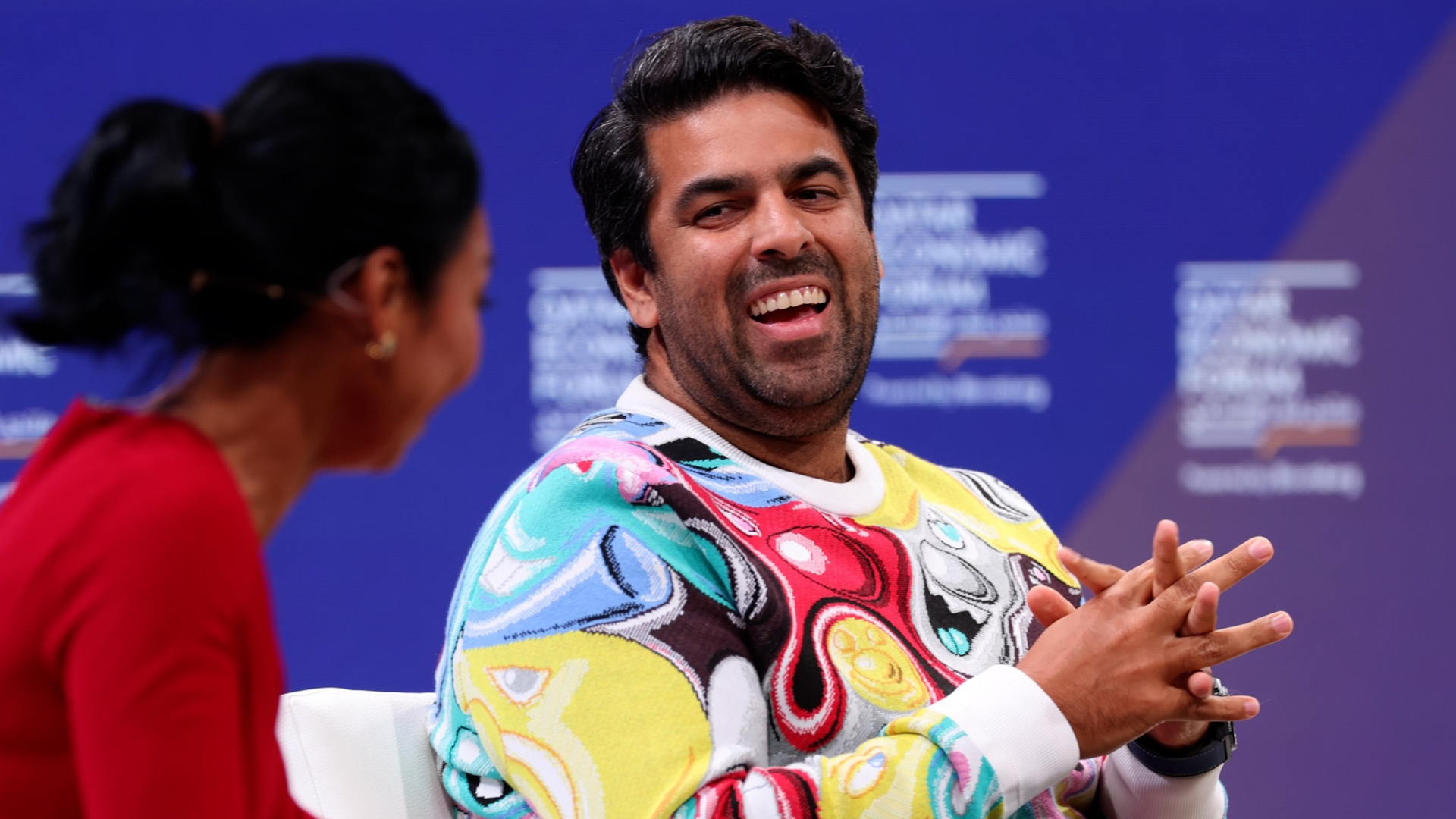
- Founder & CEO: Sachin Dev Duggal, a British-Indian entrepreneur, who previously co-founded Nivio (a cloud computing company).
- Headquarters: London, UK
- Backed By:
- SoftBank Vision Fund
- Insight Partners
- WndrCo (co-founded by ex-Disney chairman Jeffrey Katzenberg)
- Lakestar, Jungle Ventures, and others.
Builder.ai was built around the bold claim that anyone could build an app without writing a line of code — just like assembling Lego blocks, but powered by AI. It was marketed as a faster, cheaper alternative to custom software development — with the AI automating scoping, estimating, and building.
💸 The Rise: A Masterclass in Hype Engineering

- In 2023, Builder.ai raised $250 million in Series D, taking total funding to $450 million.
- Partnered with Microsoft, allowing Builder.ai to integrate Azure and promote AI app-building through Microsoft’s ecosystem.
- Promoted heavily in tech expos, startup events, and digital campaigns — presenting itself as the “ChatGPT of app development.”
- Celebrity endorsements and flashy ads painted it as the next Google.
📉 The Fall: From AI Darling to Insolvency
Despite raising hundreds of millions and positioning itself as a leader in AI-powered development, Builder.ai quietly filed for insolvency in the UK this year. Here’s why it all crumbled:
⚠️ What Went Wrong? The Anatomy of a Collapse
1. Overpromising, Underdelivering
- The “AI builds your app” narrative was grossly exaggerated. In reality, a large portion of development was handled by offshore human teams — especially in India and Ukraine.
- AI did some scoping and planning, but not real coding. It wasn’t a fully automated experience, as advertised.
2. Mounting Losses
- Reports suggest losses ran into tens of millions annually. Burn rate far outpaced revenue growth.
- With rising server costs, AI infrastructure, support teams, and marketing, the business became unsustainable.
3. Poor Customer Experience
- Numerous complaints online about:
- Missed deadlines
- Sub-par final products
- Miscommunication and pricing confusion
- Trust eroded fast, especially from small businesses who expected “plug-and-play” app creation.
4. Workforce Chaos
- Aggressive hiring followed by silent layoffs.
- Multiple Glassdoor reviews cited toxic culture, lack of direction, and chaotic management practices.
5. Lack of Real AI Differentiation
- The tech stack wasn’t groundbreaking. Competitors like Bubble, Outsystems, and Appgyver offered similar (if not better) tools — and most did so transparently without overhyping AI.
- Builder.ai leaned more on branding than actual IP.
📉 Warning Signs Everyone Ignored
- Massive Marketing Spend: The company focused more on visibility than viability.
- Opaque Business Model: Clients were unclear what was automated vs manual.
- High Churn: Clients often didn’t return or recommend it.
- No Product-Market Fit at Scale: While it looked perfect for SMBs, many found the tool overwhelming and misleading.
🧨 Lessons & The Dominoes to Watch Next
Builder.ai is not the only one walking this tightrope. Several overfunded, overhyped AI startups are in similar danger zones:
| Startup | Concern |
|---|---|
| Runway ML | Sky-high valuation with minimal real-world adoption |
| Synthesia | Great demos, but expensive and niche use-case |
| Replika AI | Dropping user trust and unclear monetization path |
| Adept AI | Struggling to productize their general AI tech |
| Stability AI | Already in decline post-burn cash spree |
All these companies raised huge capital during the peak of the AI hype cycle but haven’t yet proven sustainable revenue or long-term utility.
🔮 What Does This Mean for the AI Industry?
- VCs Will Now Ask Tougher Questions
- No more funding just for throwing “AI” in the pitch deck.
- The bar for real IP and monetization models just got higher.
- Time for Transparency
- Customers are getting smarter. They want to know: Is this truly AI? Or just a glorified automation layer with human effort behind the scenes?
- Product First, Hype Later
- Companies like Notion, Figma, and Canva built solid user bases before AI buzz. This will become the new benchmark.
✍️ Final Words from Nishani
Builder.ai is a symptom of a larger disease — the tech world’s obsession with storytelling over substance.
It’s a warning to founders: You can’t fake product-market fit with pitch decks and promises.
It’s a wake-up call to investors: Don’t let FOMO cloud your due diligence.
And to users and entrepreneurs: Always scratch the surface. Look beyond the glossy homepage and VC buzzwords.
In the age of AI, the difference between illusion and innovation is getting dangerously thin.
Let this be your reminder — not every “builder” is building something real.
Comments

Hi, I’m Nishanth Muraleedharan (also known as Nishani)—an IT engineer turned internet entrepreneur with 25+ years in the textile industry. As the Founder & CEO of "DMZ International Imports & Exports" and President & Chairperson of the "Save Handloom Foundation", I’m committed to reviving India’s handloom heritage by empowering artisans through sustainable practices and advanced technologies like Blockchain, AI, AR & VR. I write what I love to read—thought-provoking, purposeful, and rooted in impact. nishani.in is not just a blog — it's a mark, a sign, a symbol, an impression of the naked truth. Like what you read? Buy me a chai and keep the ideas brewing. ☕💭 For advertising on any of our platforms, WhatsApp me on : +91-91-0950-0950 or email me @ support@dmzinternational.com