
Factors that Affect the Price of Handloom Products
**Factors that Affect the Price of Handloom Products**
1. Quality of Materials:
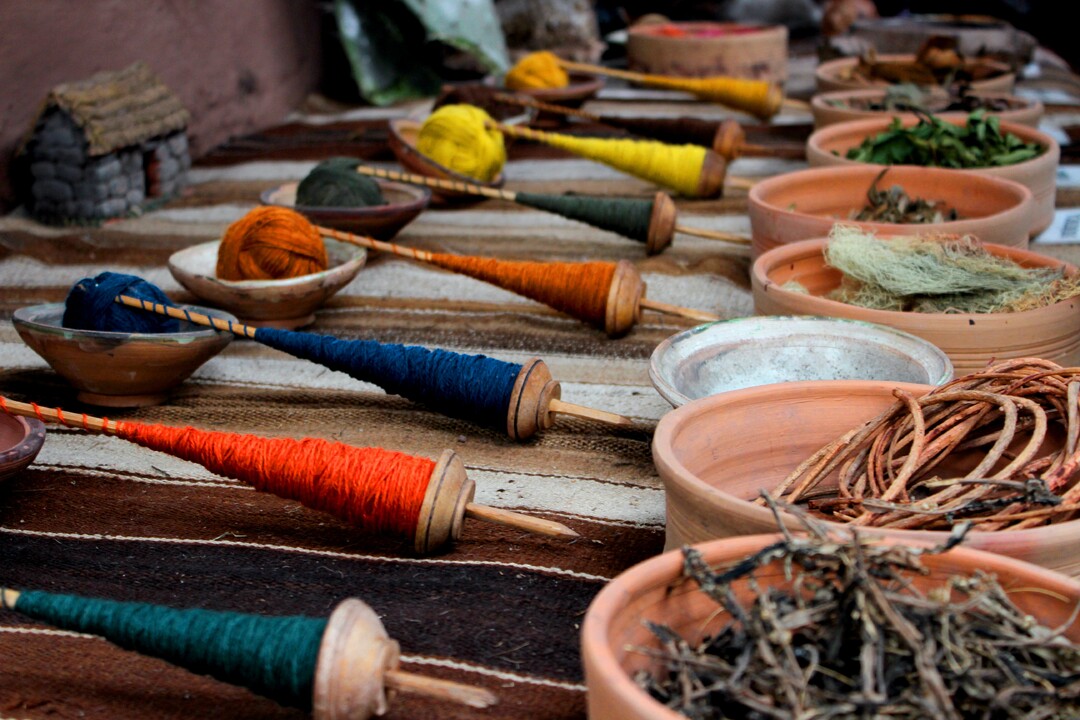
The quality of materials used in a handloom product can greatly affect its price. Higher quality materials, such as silk or cashmere, can be more expensive than synthetic materials. Additionally, materials that are locally sourced or sustainably produced may also increase the price of the product.
2. Complexity of Design:
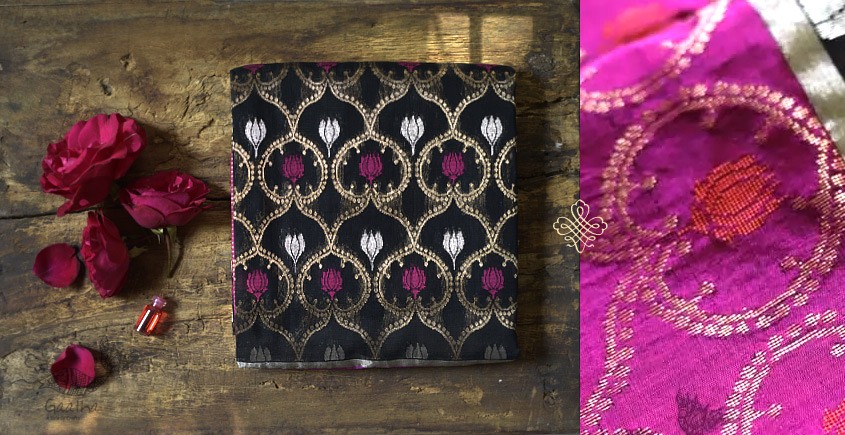
Handloom products that have complex designs or patterns require more skill and time to create, which can increase their price. This is because more intricate designs require more precision and attention to detail, making them more labor-intensive.
3. Time and Labor:
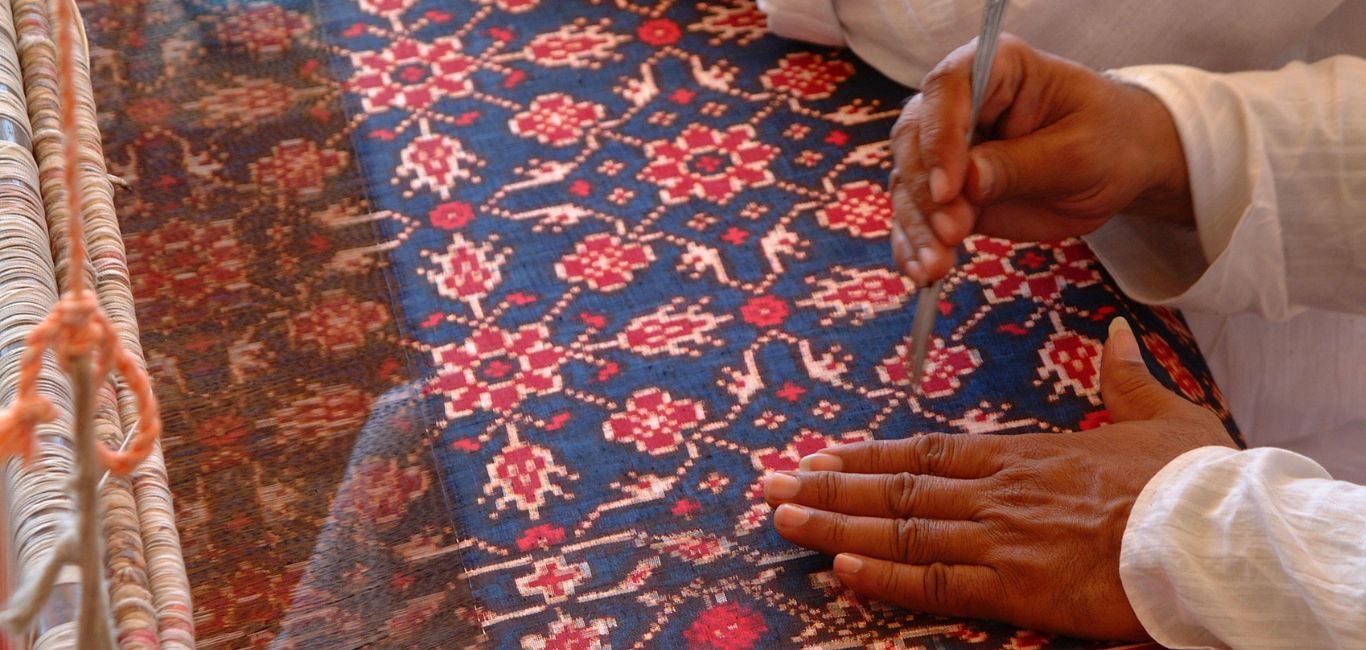
Handloom products are made by skilled artisans who invest a lot of time and effort in creating them. The more time and labor required to create the product, the higher its price is likely to be.
4. Rarity:

Handloom products that are one-of-a-kind or limited edition items may be more expensive due to their rarity. These products are often made with unique designs, materials, or techniques that are not commonly available.
5. Market Demand:
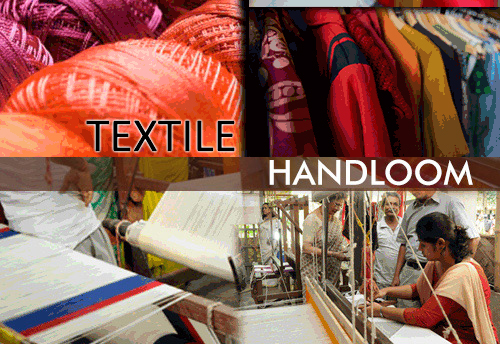
The market demand for a particular type of handloom product can greatly influence its price. If there is high demand for a specific product, its price is likely to be higher.
6. Brand Reputation:

The reputation of a brand or artisan can also affect the price of handloom products. Well-known brands or weavers who are known for their quality and craftsmanship may charge a higher price for their products.
7. Yarn Count:

Handloom products made with finer yarns, such as those with a higher yarn count, may be more expensive than those made with thicker yarns. This is because weaving with finer yarns requires more time and skill, resulting in a more delicate and intricate fabric.
8. Fiber Type:
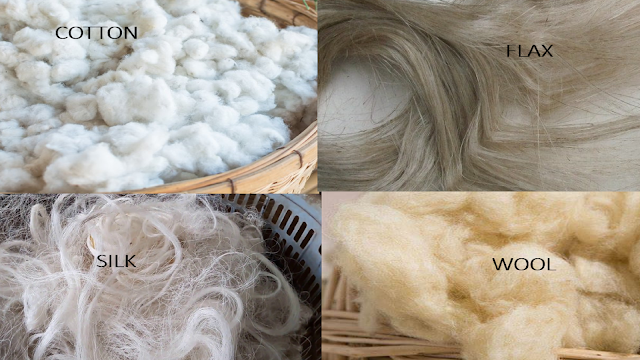
Handloom products made with natural fibers, such as cotton, silk, wool, or linen, tend to be more expensive than those made with synthetic fibers. This is because natural fibers are often of higher quality and are more expensive to produce.
9. Dyeing Methods:

The method used to dye the yarns in a handloom product can also affect its price. Natural and organic dyes, such as plant-based or mineral-based dyes, are typically more expensive than synthetic dyes. This is because natural dyes are often more difficult to source and require more time and skill to apply.
10. Loom Type:
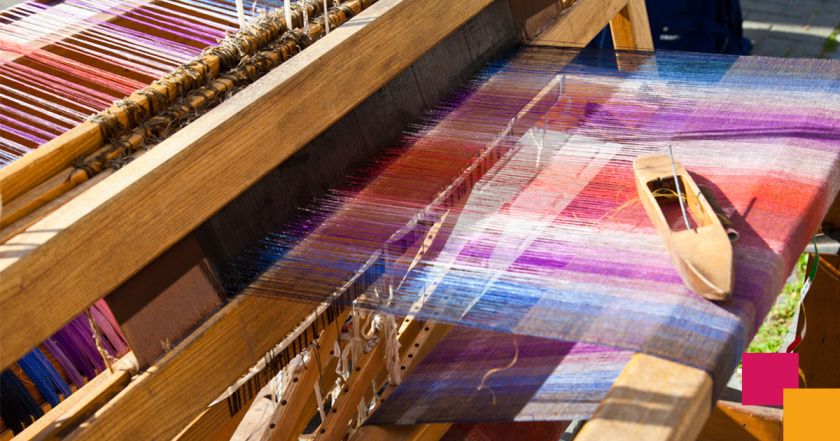
The type of loom used to weave a handloom product can also impact its price. Handloom products made using traditional, manual looms require more skill and time to produce than those made with modern, automated looms, resulting in a higher price.
11. Finishing Techniques:
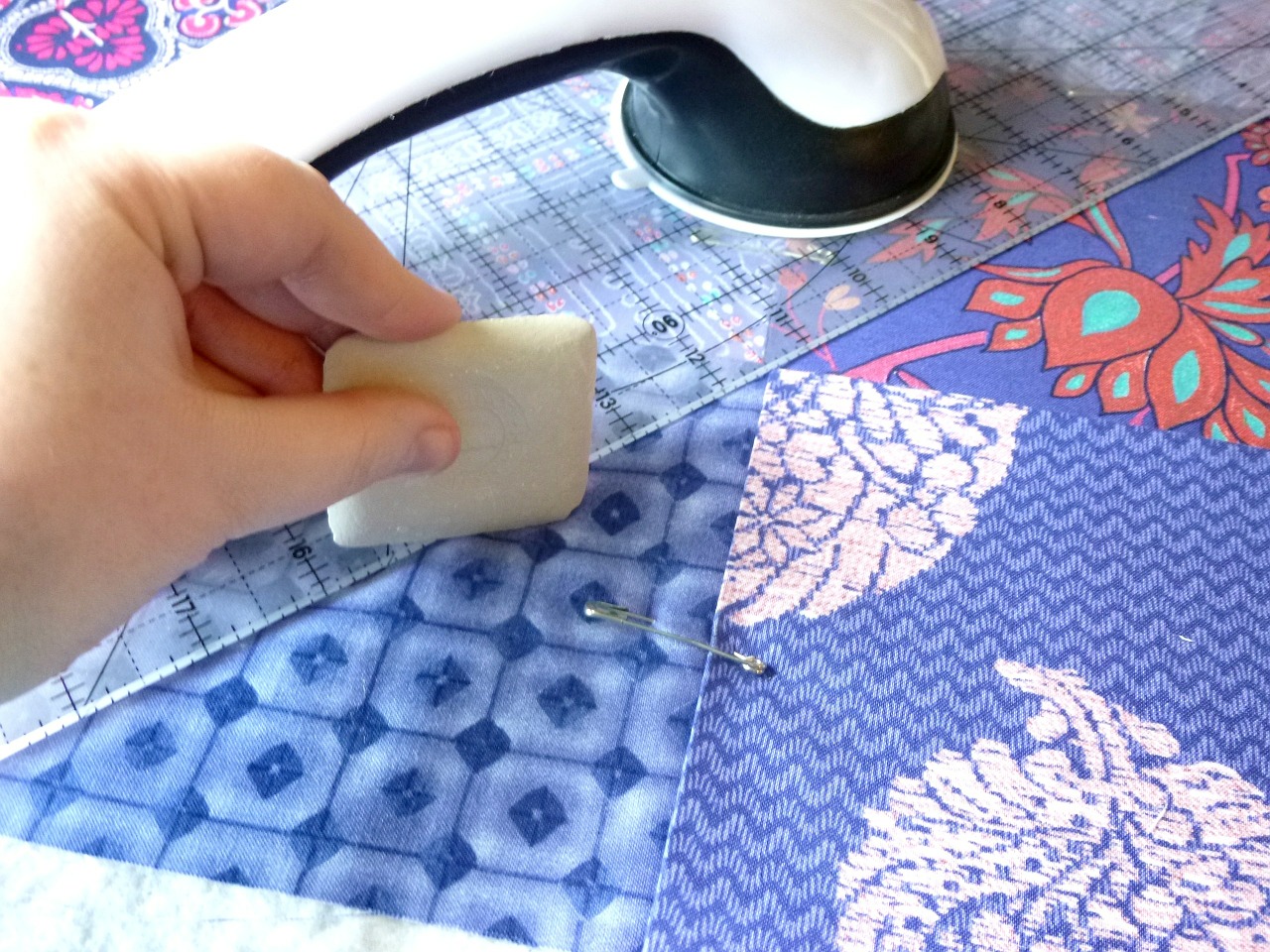
The finishing techniques used to complete a handloom product can also affect its price. Handloom products that are finished with intricate embroidery, beading, or other embellishments may be more expensive due to the additional time and labor required.
12. Geographic Region:
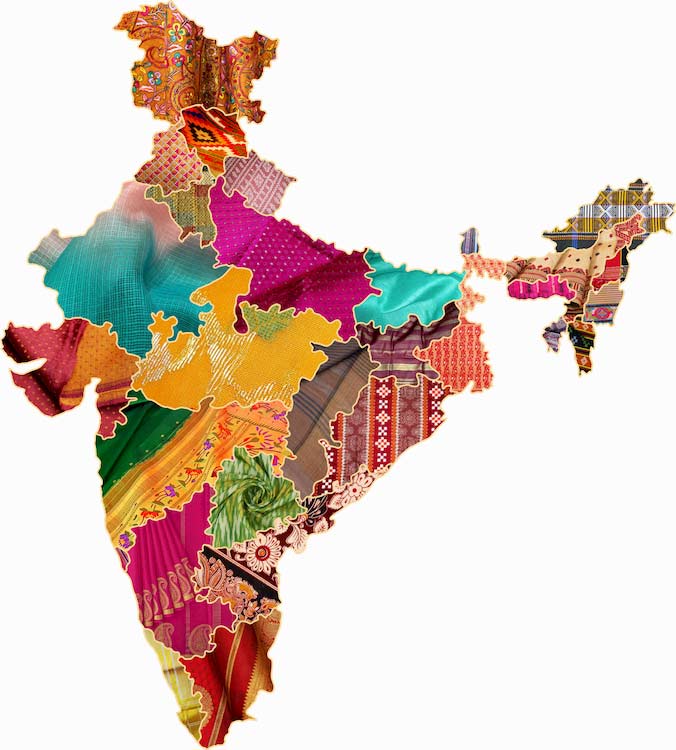
The geographic region where a handloom product is made can also influence its price. Handloom products made in areas with a long tradition of weaving or with unique local materials or techniques may be more expensive due to their rarity and uniqueness.
13. Artisan Skill Level:
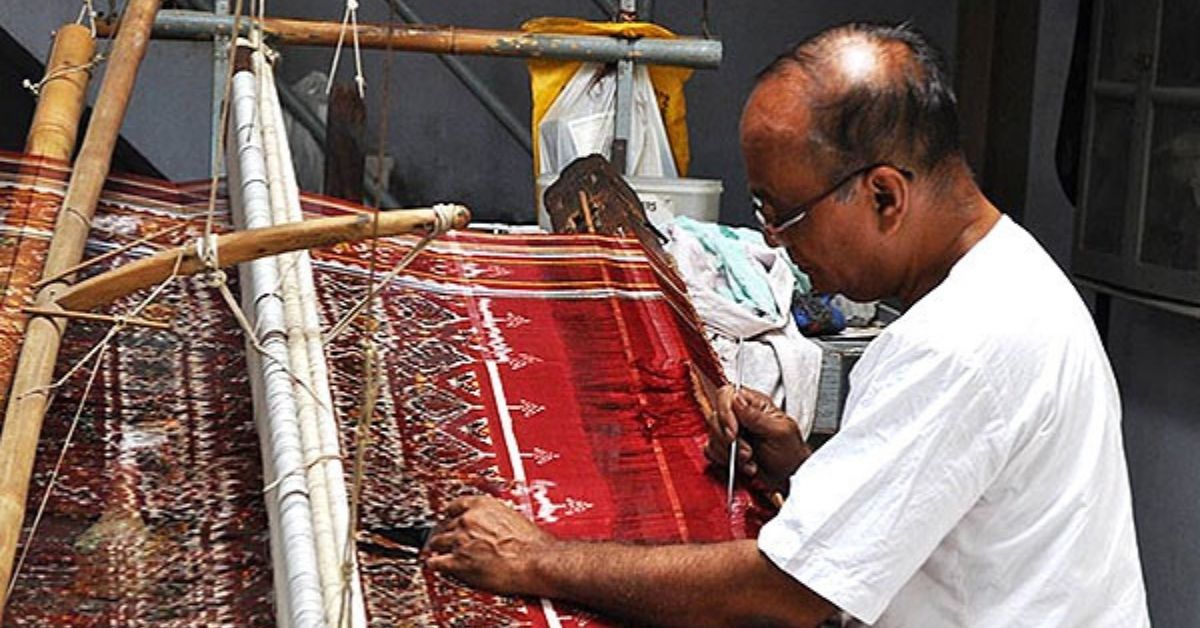
The skill level of the artisan who created the handloom product can also affect its price. Handloom products created by highly skilled artisans who have years of experience and training may be more expensive than those made by less experienced weavers.
14. Size and Weight:
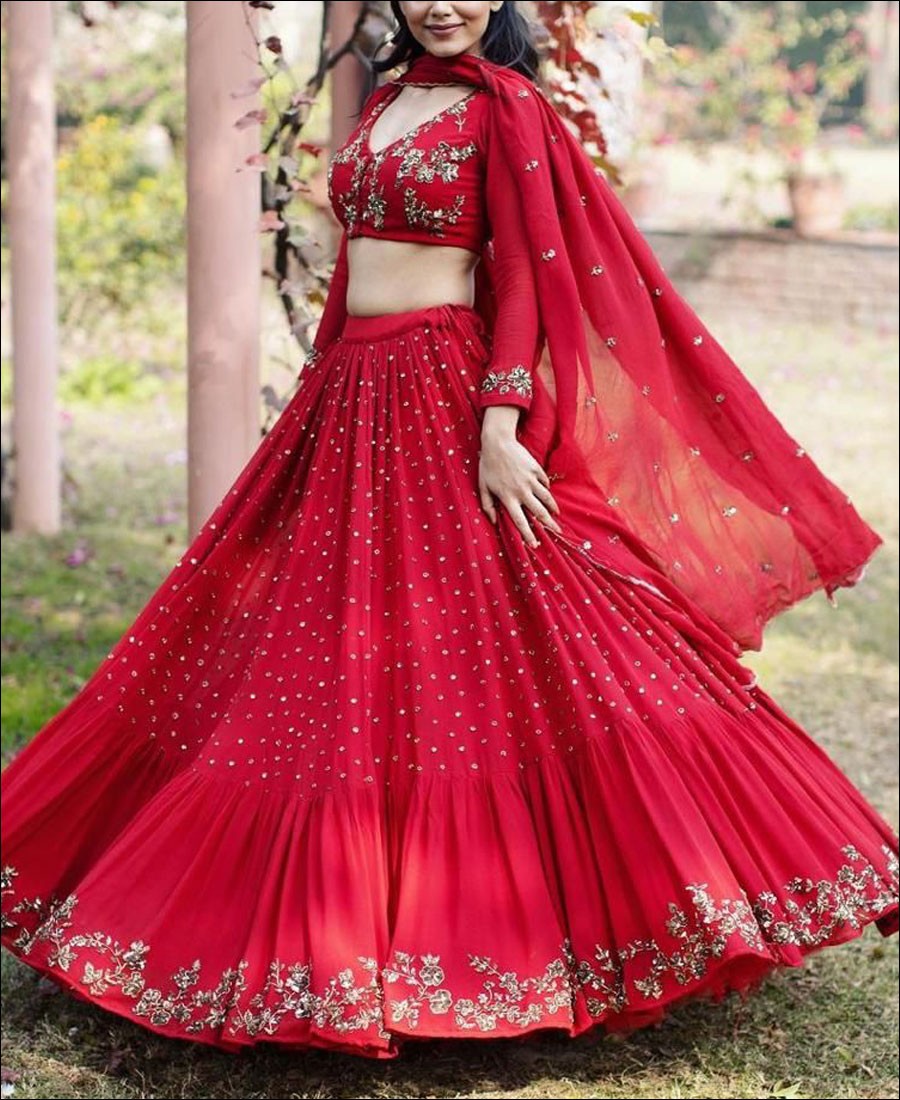
The size and weight of a handloom product can also impact its price. Larger and heavier items require more materials and time to produce, resulting in a higher price.
15. Social Impact:
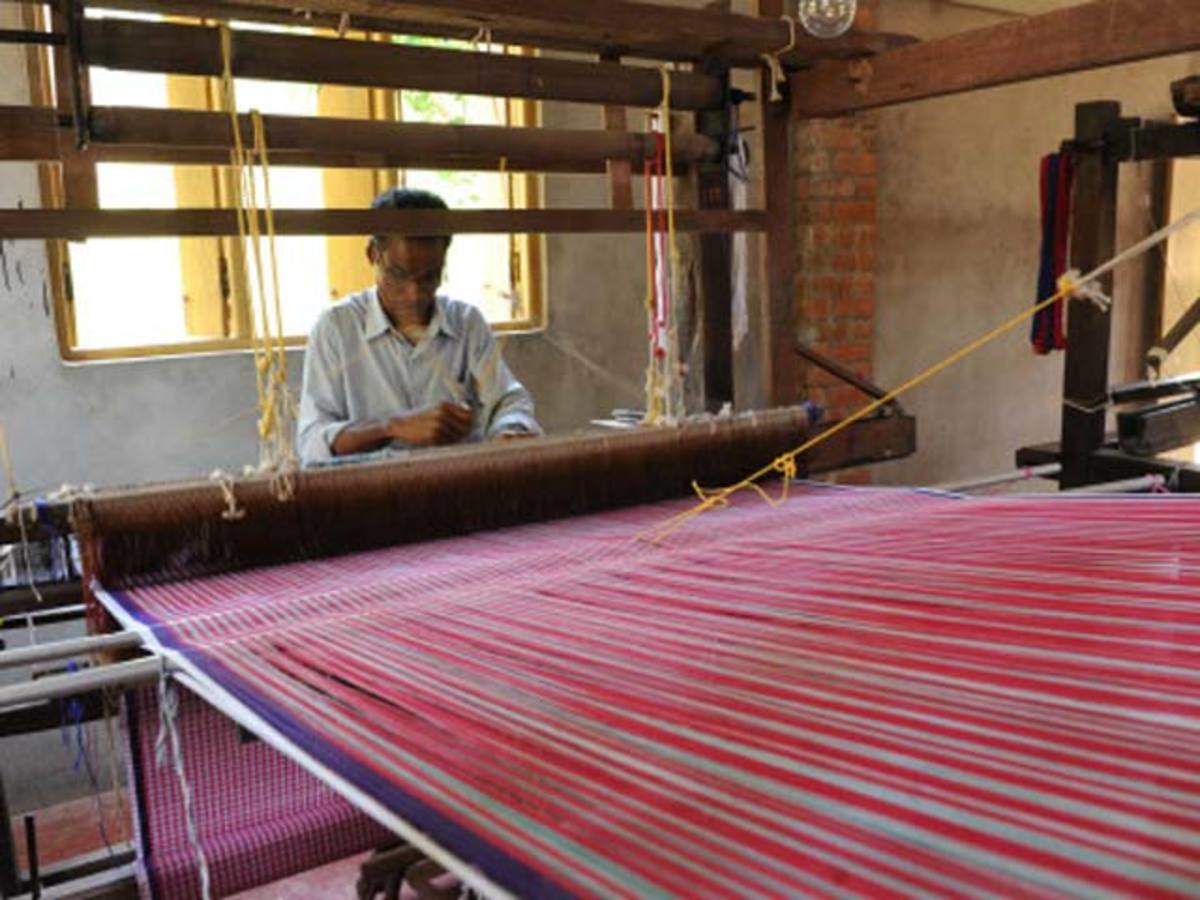
Some handloom products are made by artisans or cooperatives that prioritize fair trade practices and social impact. In these cases, the price of the product may be higher to reflect the additional costs associated with providing fair wages, safe working conditions, and other social benefits to the artisans involved in its production. Consumers may be willing to pay a premium for products that are ethically sourced and support a social cause.
Conclusion:
So, the price of handloom products is influenced by a variety of factors, including quality of materials, design complexity, time and labor, rarity, market demand, brand reputation, yarn count, fiber type, dyeing methods, loom type, finishing techniques, geographic region, artisan skill level, and social impact.

Consumers may be willing to pay a premium for handloom products that are ethically sourced and support a social cause. Ultimately, the price reflects the time, skill, and resources invested in its creation, as well as its unique beauty and cultural significance.
Comments

Hi, I’m Nishanth Muraleedharan (also known as Nishani)—an IT engineer turned internet entrepreneur with 25+ years in the textile industry. As the Founder & CEO of "DMZ International Imports & Exports" and President & Chairperson of the "Save Handloom Foundation", I’m committed to reviving India’s handloom heritage by empowering artisans through sustainable practices and advanced technologies like Blockchain, AI, AR & VR. I write what I love to read—thought-provoking, purposeful, and rooted in impact. nishani.in is not just a blog — it's a mark, a sign, a symbol, an impression of the naked truth. Like what you read? Buy me a chai and keep the ideas brewing. ☕💭 For advertising on any of our platforms, WhatsApp me on : +91-91-0950-0950 or email me @ support@dmzinternational.com