
IOC vs BPCL vs HPCL vs Shell vs Reliance: Which Petrol Pump Is the Best? The Truth Every Indian Vehicle Owner Should Know
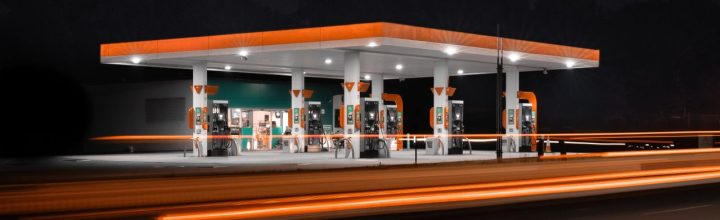
Ask ten Indian motorists which petrol pump they trust the most, and you’ll probably get ten different answers.
Some will never fill anywhere except Indian Oil. Others insist that BPCL gives better mileage. Many swear by HPCL, while car enthusiasts often recommend Shell. More recently, Reliance has also gained attention, with many drivers claiming its fuel is cheaper and of excellent quality.
But are these beliefs based on facts, or are they simply myths that have been repeated for years?
Let’s separate perception from reality.
India’s Five Major Fuel Brands
India’s fuel retail market is dominated by five major players:
- Indian Oil Corporation (IOC) – India’s largest government-owned fuel retailer.
- Bharat Petroleum Corporation Limited (BPCL) – One of India’s oldest and most trusted public sector oil companies.
- Hindustan Petroleum Corporation Limited (HPCL) – A major government-owned energy company with a strong nationwide presence.
- Shell India – A global private energy company known for its premium fuel and premium customer experience.
- Reliance BP Mobility (Jio-bp) – A joint venture between Reliance Industries and BP (formerly British Petroleum), bringing together Reliance’s retail strength and BP’s global fuel expertise.
Together, these companies operate tens of thousands of fuel stations across India.
A Brief History
Indian Oil Corporation (IOC)
Established in 1959, Indian Oil Corporation is India’s largest oil marketing company. It owns refineries, pipelines, fuel terminals and the country’s largest retail fuel network. Today, it supplies fuel to millions of homes, industries and vehicles every day.
Bharat Petroleum (BPCL)
BPCL traces its origins to Burmah Shell, which operated in India before Independence. Following nationalization in 1976, it became Bharat Petroleum Corporation Limited and has since grown into one of India’s most respected public sector enterprises.
Hindustan Petroleum (HPCL)
HPCL became a government-owned company in 1974 and has steadily expanded across the country. It now operates one of India’s largest refinery and fuel distribution networks.
Shell
Shell is one of the world’s oldest and most recognized energy companies, with more than a century of history. It returned to India’s fuel retail business in the early 2000s after decades away following the nationalization of Burmah Shell. Today, Shell focuses on premium fuel stations in major cities and along important highways.
Reliance BP Mobility (Jio-bp)
Reliance entered the fuel retail business in the early 2000s but initially focused largely on commercial customers because of government pricing policies at the time. In 2020, Reliance partnered with BP to form Reliance BP Mobility (Jio-bp). Since then, the company has expanded rapidly, introducing modern fuel stations with digital services, EV charging, convenience stores and premium fuels.
Who Has the Largest Petrol Pump Network?
Approximate number of retail outlets across India:
| Company | Approximate Retail Outlets |
|---|---|
| Indian Oil (IOC) | 40,000+ |
| BPCL | 24,000+ |
| HPCL | 24,000+ |
| Reliance BP (Jio-bp) | 2,000+ |
| Shell | Around 350 |
Indian Oil remains India’s undisputed leader in terms of availability. Shell has the smallest network because it deliberately focuses on premium locations rather than widespread coverage.
Is Reliance Petrol Really Cheaper?
Many motorists believe Reliance fuel is always cheaper.
The truth is more nuanced.
Petrol and diesel prices in India are largely influenced by government taxes, dealer commissions and state-level VAT. Most companies therefore sell fuel at very similar prices.
However, Reliance occasionally runs promotional offers, loyalty rewards or discounts through partner payment platforms and fleet programs. These promotions can make fuel appear cheaper than nearby competitors.
The difference usually comes from offers and rewards, not from permanently lower fuel prices.
Which Company Has Better Fuel?
This is perhaps the biggest myth in India’s automobile community.
All petrol and diesel sold by IOC, BPCL, HPCL, Reliance and Shell must meet strict Bureau of Indian Standards (BIS) specifications.
Fuel quality is regulated and tested before reaching consumers.
The base petrol itself is therefore extremely similar across all brands.
Where companies differ is in their additive packages, especially in premium fuels designed to keep engines cleaner and reduce deposits.
Why Do So Many People Prefer Shell?
Shell has built a premium reputation over decades.
Many luxury car owners choose Shell because they believe:
- the engine runs smoother,
- acceleration feels more refined,
- the engine remains cleaner,
- the stations are cleaner,
- customer service is generally excellent.
Some of these benefits come from premium fuel additives, while others are simply the result of Shell’s focus on premium retail experiences.
For most everyday cars, however, the practical difference is relatively small.
Can I Mix Fuel from Different Companies?
Yes.
This is completely safe.
Suppose your fuel tank already contains petrol from Indian Oil and you refill at Shell or Reliance.
Nothing happens.
Modern petrol is fully compatible across brands because all companies follow the same national fuel standards.
There is no need to empty the tank before changing brands.
Your engine will not be damaged by switching between IOC, BPCL, HPCL, Shell or Reliance.
Do These Companies Mix Fuel with Other Substances?
Absolutely not.
None of these companies intentionally adulterates petrol or diesel.
Fuel passes through strict quality checks before reaching retail outlets.
If adulteration occurs, it is almost always due to illegal practices by an individual dealer, not because of company policy.
Choosing a busy, well-maintained station is far more important than choosing a particular brand.
Premium Fuel Comparison
Each company offers its own premium fuel:
- IOC – XP95
- BPCL – Speed
- HPCL – Power95
- Shell – Shell V-Power
- Reliance – Premium petrol with advanced additive technology at selected outlets
These premium fuels contain detergent additives designed to reduce carbon deposits and improve combustion.
For vehicles that require only regular petrol, premium fuel is generally optional rather than essential.
Products Beyond Petrol
These companies are complete energy businesses.
Indian Oil
- Indane LPG
- Servo lubricants
- Aviation fuel
- Petrochemicals
- Bitumen
- LNG
- CNG
BPCL
- Bharatgas LPG
- MAK lubricants
- Aviation fuel
- LNG
- CNG
- Marine fuels
HPCL
- HP Gas
- HP Lubricants
- Aviation fuel
- LNG
- CNG
- Industrial fuels
Shell
- Shell Helix engine oils
- Shell V-Power fuels
- Industrial lubricants
- LNG
- EV charging
- Convenience retail
Reliance BP (Jio-bp)
- Petrol and diesel
- Premium fuels
- Castrol lubricants (through BP partnership)
- EV charging
- Convenience stores
- Fleet fuel management
- Mobility solutions
Best Fuel Credit Cards
If you spend regularly on fuel, choosing the right credit card can save a considerable amount every year.
- IOC: IndianOil RBL XTRA Credit Card or HDFC IndianOil Credit Card
- BPCL: SBI BPCL OCTANE Credit Card
- HPCL: IDFC FIRST Power+ Credit Card
- Shell: No dedicated co-branded credit card in India, but cashback cards and reward cards work well.
- Reliance (Jio-bp): There is currently no dedicated Jio-bp fuel credit card. General cashback or rewards cards are usually the better option, especially if they provide benefits on fuel spends.
Always check fuel surcharge waivers, monthly reward limits and eligible spending conditions before choosing a card.
Which Brand Should You Choose?
If your priority is availability, Indian Oil is unmatched.
If you prefer a trusted government-owned network with modern stations, BPCL and HPCL are excellent choices.
If you value premium customer experience and are willing to pay a little more for premium fuels, Shell is hard to beat.
If you like modern digital services, loyalty offers and competitive promotions, Reliance BP (Jio-bp) is emerging as a strong alternative with rapid expansion across India.
Final Verdict
The debate over the “best” petrol pump often overlooks the most important fact: all major fuel companies in India are required to meet the same stringent national quality standards.
Whether you stop at IOC, BPCL, HPCL, Shell or Reliance, the fuel entering your vehicle has passed through rigorous testing and quality controls. Premium fuels may differ in their additive packages, but regular petrol and diesel are far more similar than popular opinion suggests.
Instead of chasing a particular logo, look for a busy, clean, well-maintained fuel station with properly calibrated pumps, courteous staff and a reputation for honest service. Combine that with regular vehicle maintenance, correct tyre pressure and the right fuel credit card, and you’ll gain far more in performance and savings than by switching brands based on myths.
In the end, the best petrol pump isn’t defined by the company name on the signboard—it’s defined by the quality of the outlet, the integrity of the dealer and the confidence it gives every customer who drives in.
Comments

Hi, I’m Nishanth Muraleedharan (also known as Nishani)—an IT engineer turned internet entrepreneur with 25+ years in the textile industry. As the Founder & CEO of "DMZ International Imports & Exports" and President & Chairperson of the "Save Handloom Foundation", I’m committed to reviving India’s handloom heritage by empowering artisans through sustainable practices and advanced technologies like Blockchain, AI, AR & VR. I write what I love to read—thought-provoking, purposeful, and rooted in impact. nishani.in is not just a blog — it's a mark, a sign, a symbol, an impression of the naked truth. Like what you read? Buy me a chai and keep the ideas brewing. ☕💭 For advertising on any of our platforms, WhatsApp me on : +91-91-0950-0950 or email me @ support@dmzinternational.com