
Kerala 2026: The Verdict Is Sealed — But Who Holds It?
The ballot machines are locked. The EVMs are in strongrooms under multi-layered security. 27.14 million voters have spoken — or at least 78.27% of them have — and now begins the cruellest month in democratic politics: the wait. Kerala voted on April 9, 2026. The results arrive on May 4. Between now and then, every chai shop, WhatsApp group, and news studio in the state will be a theatre of speculation.
But let’s cut through the noise.
This isn’t a typical Kerala election. This is a referendum on whether one man — Pinarayi Vijayan, now 80 years old, visibly aging, making periodic trips to the Mayo Clinic in Minnesota for undisclosed medical treatment — deserves to lead God’s Own Country for an unprecedented third consecutive term. No Chief Minister in Kerala’s post-1977 history has managed even two consecutive terms before Vijayan did it in 2021. He’s now asking for a third. The sheer audacity of the ask, and the fact that the CPM’s own age-limit norms had to be bent to accommodate him, tells you everything about how centralised power has become within the Left front.
Let’s break down what the data says, what the ground says, and where each alliance really stands.
The Three Narratives — And What’s Actually True
LDF’s Story: “Mattarund LDF Allathe?” (Who else but LDF?)
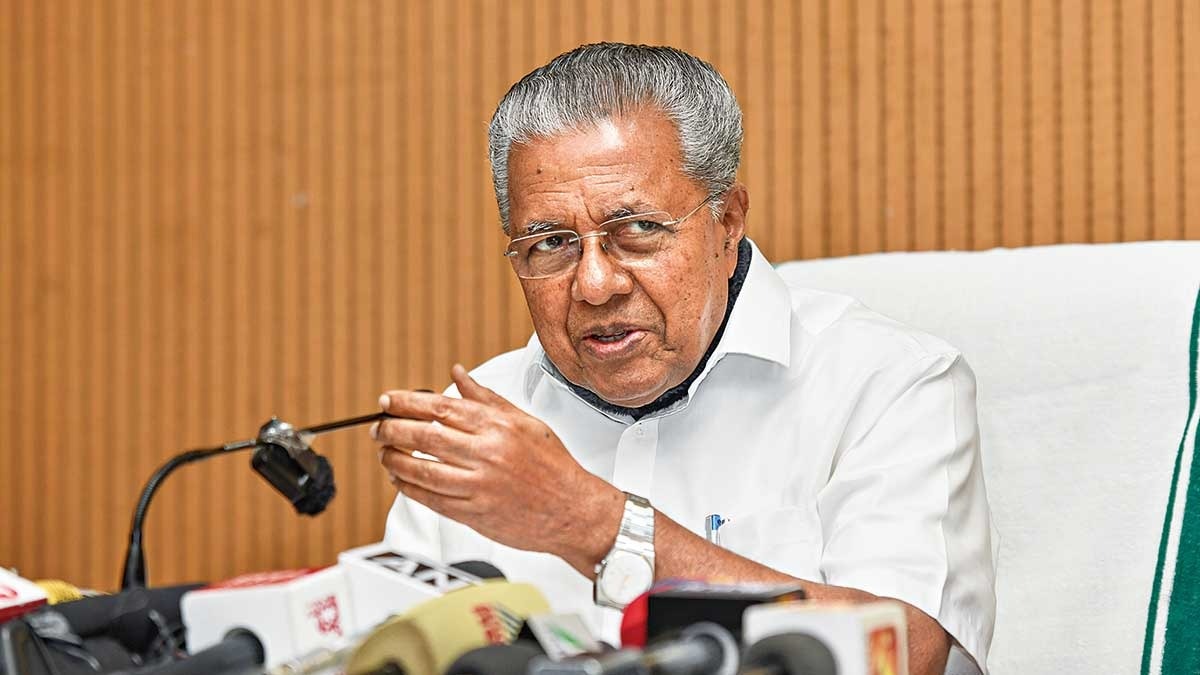
The ruling front has campaigned on development — Vizhinjam Port, the LIFE Mission housing scheme, disaster rehabilitation in Wayanad, the Anakkampoyil tunnel road, and the claim that Kerala is a “global model” in healthcare and disaster management. Pinarayi Vijayan himself has dismissed anti-incumbency as non-existent, publicly stating he expects to win more seats than the 99 the LDF took in 2021.
This is delusional confidence, and here’s why: the LDF was hammered in both the 2019 and 2024 Lok Sabha elections. The UDF swept those contests decisively. The 2025 local body elections further confirmed a shift in voter sentiment. The Palakkad by-election loss — in a constituency the CPM had held — was a particularly stinging rebuke. Internal party dissent is no longer whispered; CPM district committees have openly criticised Vijayan’s autocratic style. His daughter’s involvement in business controversies, the PR agency scandal with a Chennai newspaper, and the perception that he has become unapproachable and arrogant have all corroded the brand.
The development record is real but insufficient. Kerala’s fiscal health is precarious. Youth unemployment remains stubbornly high. The cost of living has soared. And voters have a long memory for governance failures even when they acknowledge infrastructure wins.
UDF’s Story: “Keralam Jayikkum, UDF Nayikkum” (Kerala will win, UDF will lead)
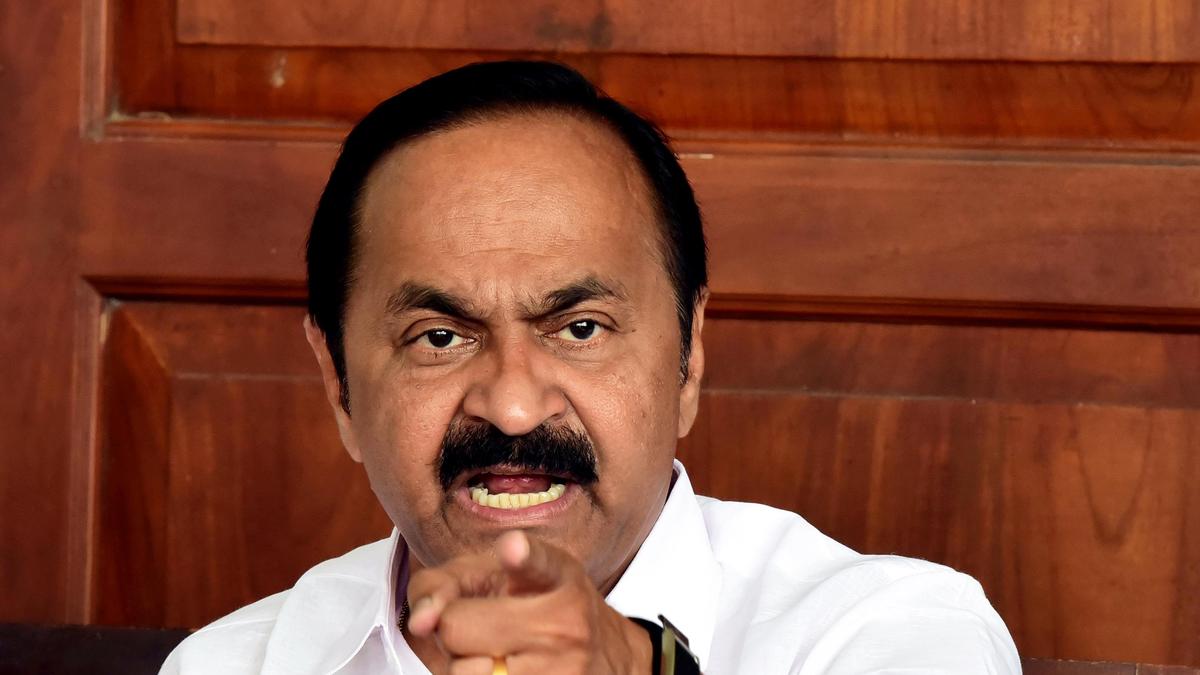
The Congress-led UDF, with VD Satheesan as the Leader of Opposition and face of the campaign, has positioned this election as a choice between continuity of authoritarian governance and democratic renewal. Rahul Gandhi personally announced five poll promises at the campaign’s closing event. The manifesto — branded around “Indira Guarantees” — includes the Oommen Chandy Health Insurance scheme (₹25 lakh per household), free KSRTC bus travel for women, and a dedicated senior citizens’ welfare department.
The UDF’s confidence is backed by macro-level data. They swept 18 of 20 Lok Sabha seats in 2024. They gained significantly in local body polls. Their vote share has consistently outpaced the LDF in non-assembly elections since 2019. But here’s the UDF’s historical curse: they are excellent at winning parliamentary elections and terrible at converting that energy into assembly victories. Kerala voters have long demonstrated a split-ticket mindset — punishing Delhi incumbents nationally while rewarding state incumbents locally. The question is whether 10 years of LDF rule has finally exhausted this pattern.
The UDF’s claim of 100+ seats is ambitious but not impossible — if the anti-incumbency wave is genuinely statewide. More realistically, breaching the 71-seat majority mark would itself be a historic achievement after two consecutive defeats.
BJP’s Story: “Marathathu Ini Marum” (What never changed will change now)
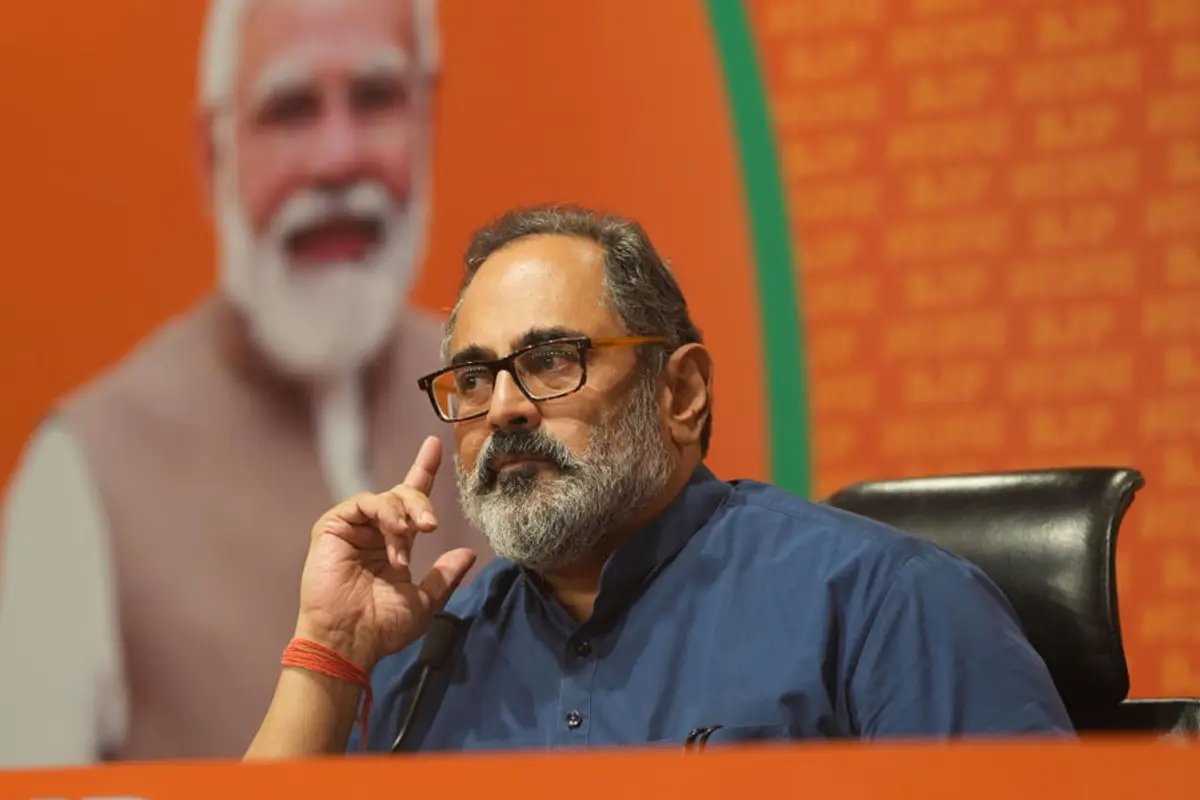
The BJP, under state president Rajeev Chandrasekhar (former Union Minister), has played the most interesting game this cycle. Their explicit strategy isn’t to win power — it’s to prevent anyone else from winning a majority, thereby positioning the NDA as kingmaker in a hung assembly. Prime Minister Modi launched the campaign from Kochi. The manifesto includes an AIIMS for Kerala, high-speed rail from Thiruvananthapuram to Kannur, and direct cash transfers to BPL women.
But let’s be honest: the BJP’s ceiling in Kerala remains structurally low. Their vote share hovers around 15%, and converting that into seats in a state with entrenched bipolar coalition politics is brutally difficult. They’ve never held more than one assembly seat. Their best-case scenario in 2026 is 3-5 seats. The kingmaker narrative requires a near-perfect hung assembly — a statistical improbability in Kerala’s winner-take-all constituency structure.
What the Surveys Say
Two major pre-poll surveys anchor this analysis:
Manorama News–C Voter Mega Survey (89,693 respondents across all 140 constituencies, sampled March 14-26):
- UDF: 69-81 seats
- LDF: 57-69 seats
- NDA: 1-5 seats
Matrize Opinion Poll:
- Vote share: UDF ~42%, LDF ~39%, NDA ~15%
- Suggests a near-tie in seat terms, with a possible hung assembly scenario
The C-Voter survey, being the larger and more granular study, deserves more weight. It projects a UDF victory but with a margin that could easily narrow or widen depending on turnout dynamics and last-mile swings.
My Projection: The Most Likely Outcome
After weighing the survey data, historical patterns, Lok Sabha and local body trends, anti-incumbency indicators, and the structural dynamics of each region, here is what I believe the result on May 4 will look like:
UDF: 75-85 seats (Clear majority, forms government) LDF: 50-60 seats (Reduced but not decimated) NDA: 2-4 seats (Incremental gains, not kingmaker) Others/Independents: 1-2 seats
This projection accounts for several factors the surveys may underweight: the exceptionally high turnout (~78-80%), which historically in Kerala signals change; the UDF’s dominance in Ernakulam (likely 12-14 of 14 seats), Kottayam (7-9 of 9), Idukki (3-5 of 5), and Wayanad; and the LDF’s defensive posture even in traditional strongholds like Thrissur and Palakkad. The turnout figure is critical — Shashi Tharoor himself noted publicly that high polling tends to favour the UDF, and history backs this up.
District-by-District Breakdown
Malabar (Kasaragod, Kannur, Wayanad, Malappuram, Kozhikode — 48 seats): UDF 25-32, LDF 16-22, NDA 0-1. The UDF will dominate Malappuram (IUML bastion) and Wayanad. Kannur remains CPM territory but with reduced margins. Kozhikode is a toss-up district leaning slightly Left.
Central Kerala (Palakkad, Thrissur, Ernakulam, Idukki, Kottayam — 53 seats): UDF 30-38, LDF 14-22, NDA 0-1. This is where the election will be decided. Ernakulam is a UDF fortress. Kottayam strongly favours UDF through Kerala Congress factions. The LDF retains an edge in Palakkad and Thrissur, but with significantly eroded margins. Thrissur could see the NDA pick up one seat.
South Kerala (Alappuzha, Kollam, Pathanamthitta, Thiruvananthapuram — 39 seats): UDF 18-22, LDF 14-18, NDA 2-4. This is BJP’s hunting ground. The NDA is projected to win Nemom (Rajeev Chandrasekhar) and possibly Kazhakootam (V Muraleedharan). Vattiyoorkkavu will be knife-edge. The LDF retains strength in Alappuzha and Kollam but faces significant erosion.
Key Battles — Who Wins, Who Falls
Pinarayi Vijayan (LDF, Dharmadam): WINS, but with a reduced margin. Expect his 50,000+ victory margin from 2021 to shrink to 20,000-30,000. Dharmadam is a CPM fortress in Kannur. He won’t lose his seat, but the reduced margin will be read as a personal verdict. The UDF’s VP Abdul Rasheed and BJP’s K Ranjith will both take bites out of his lead.
VD Satheesan (UDF, Paravur): WINS comfortably. As the face of the UDF campaign, Satheesan is a seasoned operator in this constituency and should return with an enhanced margin.
Rajeev Chandrasekhar (NDA, Nemom): LIKELY WINS. Every survey projects him ahead of both V Sivankutty (CPM) and KS Sabarinadhan (Congress). Nemom, which the BJP held briefly in 2016 before losing in 2021, is the party’s best shot. The 80.62% turnout in Nemom suggests intense voter engagement, and the triangular contest may split the anti-BJP vote just enough.
V Muraleedharan (NDA, Kazhakootam): TOSS-UP. The C-Voter survey projects him edging past LDF’s Kadakampally Surendran, but this will be razor-thin. If the BJP picks up Kazhakootam along with Nemom, it would be their best-ever Kerala result.
V Sivankutty (LDF, Nemom): LIKELY LOSES. The Education Minister faces a tough battle in a constituency where the BJP has structural support and the UDF candidate will split anti-LDF votes.
Ramesh Pisharody (UDF, Palakkad): LIKELY WINS. The Palakkad by-election in 2025 already showed the Congress can take this seat. With Sobha Surendran as the NDA candidate, the contest is triangular, but UDF should prevail. The 82.33% turnout signals strong anti-incumbency energy.
K Surendran (NDA, Manjeshwar): TOUGH FIGHT. He faces sitting IUML MLA AKM Ashraf. Historically, Surendran has come close but never won. This time may not be different — the IUML’s organisational strength in Manjeshwar is formidable.
G Sudhakaran (Independent/UDF-supported, Ambalappuzha): POSSIBLE UPSET. The former CPM minister, now contesting against his own party, is projected to trail the CPM’s H Salam — but narrowly. His rebellion is a symptom of the internal fractures within the Left front.
The Leaders Most Likely to Fall
- V Sivankutty — Education Minister, Nemom. The BJP’s best chance to reclaim their former seat.
- Kadakampally Surendran — LDF, Kazhakootam. V Muraleedharan’s aggressive campaign and the BJP’s organisational push in Thiruvananthapuram make this extremely competitive.
- Several LDF ministers in Central Kerala — The LDF’s weak spot this election. Ministers in Thrissur and Ernakulam districts face serious UDF challenges. The cabinet reshuffle during the second term, where Vijayan replaced several ministers mid-stream, created resentment and weakened some candidates’ local equity.
- Thomas K Thomas (NCP-SP, Kuttanad) — Faces a strong challenge from Kerala Congress (J)’s Reji Cherian in a historically volatile constituency.
What Happens After May 4?
Scenario 1: UDF Majority (Most Likely — 70-75% probability)
The Congress-led UDF forms government. The big question becomes: who is Chief Minister? VD Satheesan is the most visible face, but Kerala Congress politics is factional. Names like Ramesh Chennithala, K Muraleedharan, and Chandy Oommen (son of the late Oommen Chandy) will all be in the conversation. Expect a week of intense internal negotiation before Delhi decides.
For Kerala, a UDF government likely means: renewed focus on central-state relations (the LDF spent 10 years fighting Delhi; the UDF, being part of INDIA alliance with a friendly stance toward the Congress-led opposition nationally, may find smoother access to central funds), a recalibration of KIIFB-driven infrastructure financing, and an attempt to address youth unemployment through a different policy lens.
Scenario 2: LDF Retains Power (20-25% probability)
If the LDF somehow clings to 71+ seats — possible only if the anti-incumbency is shallower than surveys suggest and Malabar doesn’t swing as hard as projected — Pinarayi Vijayan becomes CM for a third term. This would be genuinely historic. But it would also raise immediate questions about succession. An 80-year-old CM with known health issues, making regular trips to the US for treatment, leading a government for five more years is a governance risk the party would need to address honestly. MV Govindan, the CPM state secretary, would be the most logical successor if Vijayan steps down mid-term — but Vijayan has shown zero inclination to do so willingly.
Scenario 3: Hung Assembly (5% probability)
The BJP’s fantasy scenario. If neither front crosses 71, the NDA’s 3-4 seats become kingmaker seats. This is theoretically possible but practically unlikely given Kerala’s bipolar structure. Even in the tightest races, the winner usually clears the majority mark. More importantly, both the LDF and UDF would sooner form a minority government than accept BJP support — the political cost in Kerala of being seen as BJP-dependent is catastrophic.
The Bigger Picture: What This Election Means for Kerala’s Future
Regardless of who wins, several structural realities will define Kerala’s trajectory:
The Demographic Challenge. Kerala’s fertility rate (1.5) is well below replacement. The state is aging rapidly. The dependency ratio will worsen. Healthcare costs will escalate. Social welfare pensions — which both fronts keep promising to increase — will become fiscally unsustainable without radical revenue reform.
The Gulf Economy Is Fading. Kerala’s economy has been propped up for decades by Gulf remittances. With Saudization, Emiratization, and broader labour nationalisation policies across the GCC, this lifeline is thinning. The state needs a domestic economic engine — in IT, tourism, or manufacturing — and neither front has presented a credible plan for building one at scale.
The Brain Drain Is Accelerating. Young Keralites are leaving — not just for the Gulf anymore, but for Canada, Australia, Germany, and other states within India. The “Connect to Work” scheme offering ₹1,000/month to unemployed youth is a band-aid on a haemorrhage. Without genuine industrial policy and a regulatory environment that doesn’t strangle private enterprise, no government can stem this tide.
The Fiscal Crisis. Kerala is one of India’s most indebted states. KIIFB borrowings, social welfare expenditure, and a narrow tax base (no major manufacturing sector) mean every government is essentially borrowing to fund current consumption. The next government inherits a balance sheet that constrains ambition.
The BJP’s Long Game. Even if the NDA wins only 2-3 seats, their 15% vote share represents a permanent structural change in Kerala’s politics. The state is no longer bipolar — it’s tripolar. The BJP doesn’t need to win Kerala; they need to ensure the Left never gets a comfortable majority again. And they’re succeeding at that.
The Verdict Before the Verdict
Here it is, plainly stated:
The UDF is the most likely winner of this election. The anti-incumbency is real, it is statewide (though uneven), and it is directed primarily at Pinarayi Vijayan’s persona rather than the LDF’s governance record in totality. The LDF did genuine work — Vizhinjam, LIFE Mission, disaster management — but Vijayan’s autocratic style, the succession question he refuses to address, his health concerns, the corruption allegations around his inner circle, and the simple exhaustion of 10 years in power have created an environment where voters are ready for change.
The UDF will form the government with somewhere between 75 and 85 seats. The LDF will be a strong opposition at 50-60 seats. The BJP will pick up 2-4 seats — most likely Nemom and possibly Kazhakootam — and claim this as a breakthrough, which in Kerala terms, it is.
Pinarayi Vijayan will win Dharmadam but his era will likely end. He will not be Chief Minister again. The CPM will need to find a new face for Kerala, and the party’s national relevance — already hanging by the thread of its Kerala outpost — will face its most serious test.
Kerala will change governments. Whether it changes direction is an entirely different question.
Comments

Hi, I’m Nishanth Muraleedharan (also known as Nishani)—an IT engineer turned internet entrepreneur with 25+ years in the textile industry. As the Founder & CEO of "DMZ International Imports & Exports" and President & Chairperson of the "Save Handloom Foundation", I’m committed to reviving India’s handloom heritage by empowering artisans through sustainable practices and advanced technologies like Blockchain, AI, AR & VR. I write what I love to read—thought-provoking, purposeful, and rooted in impact. nishani.in is not just a blog — it's a mark, a sign, a symbol, an impression of the naked truth. Like what you read? Buy me a chai and keep the ideas brewing. ☕💭 For advertising on any of our platforms, WhatsApp me on : +91-91-0950-0950 or email me @ support@dmzinternational.com