
The Future of IT Administration in the Age of AI, AGI, and ASI
The future of cloud computing is set for significant expansion with the rise of AI, AGI (Artificial General Intelligence), and the potential emergence of ASI (Artificial Super Intelligence). However, the traditional cloud model and IT administration roles are expected to evolve rather than be replaced entirely.
The Evolving Cloud: AI, AGI, ASI and the Future of Computing
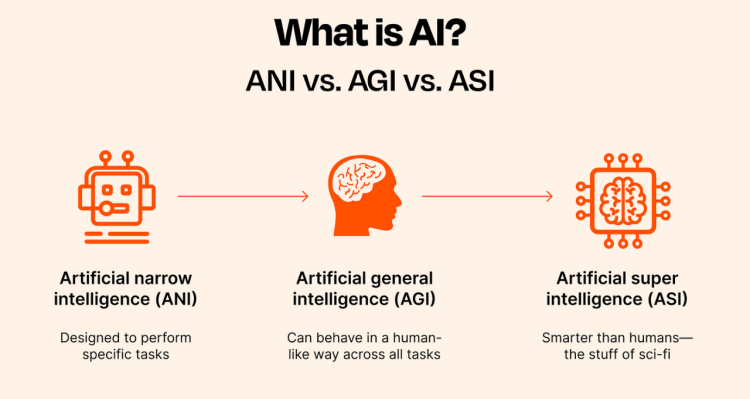
AI and AGI will drive increased demand for compute power, requiring cloud-based GPU and TPU clusters for model training and inference. While edge computing is gaining traction for localized AI processing, centralized cloud providers like AWS, Azure, and Google Cloud will remain essential due to their AI-optimized services.
The advent of ASI could exponentially increase the need for scalable cloud infrastructures, potentially leading to a transition toward quantum computing, which would disrupt but not eliminate cloud-based services. Additionally, decentralized AI networks and blockchain-powered cloud solutions may challenge traditional centralized systems by offering distributed compute alternatives.
The future cloud model may incorporate a mix of edge AI, decentralized computing, and quantum-powered services, ensuring flexibility and efficiency. While AI inference may shift toward personal AI clouds and autonomous AGI-driven management, the demand for large-scale AI training and orchestration will sustain cloud computing’s relevance.
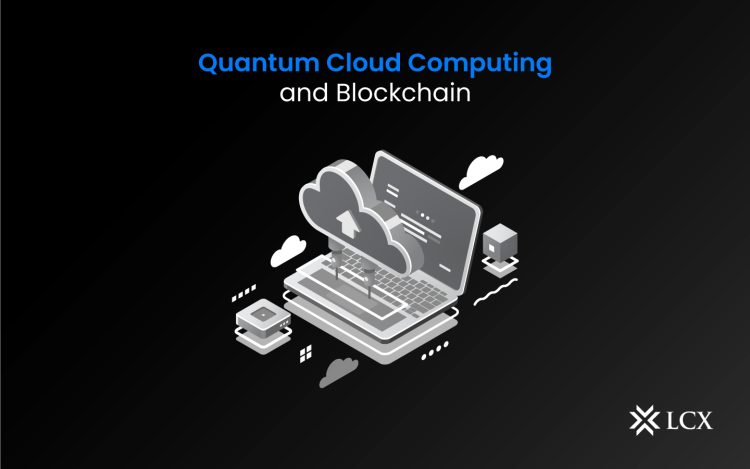
In the long term, although decentralized and quantum computing might reduce dependency on hyperscalers, cloud computing will persist as a foundational infrastructure, evolving into a more AI-driven and quantum-integrated ecosystem to support the computational needs of an increasingly intelligent digital world. 🚀
As Artificial Intelligence (AI) evolves, the traditional IT administration roles are undergoing a major transformation. System administrators such as Wintel Admins, Storage Admins, Unix/Linux Admins, Database Admins (DBAs) and Network Admins are already seeing shifts in their responsibilities due to cloud adoption, automation, and AI-driven optimizations.
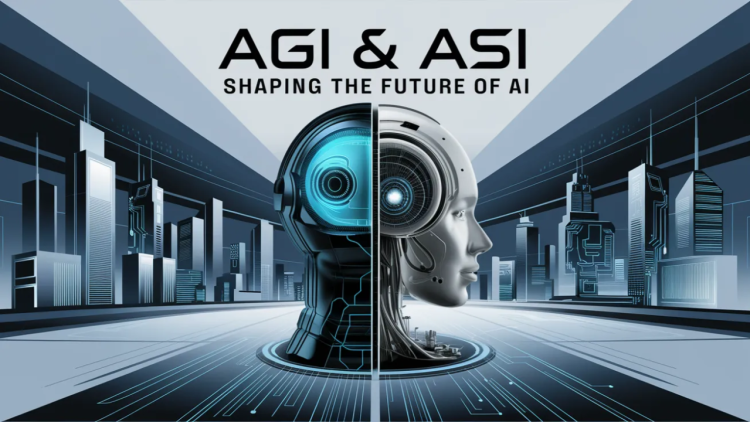
The big question is: Will the demand for IT admins increase or decrease? Will AI and automation replace these roles, or will they evolve into new opportunities? Here we will explore the changing landscape of IT administration and what professionals must do to stay relevant.
The Evolution of IT Administration Roles
As businesses shift towards cloud computing, AI-driven automation, and decentralized technologies, the demand for traditional system administration is declining. However, new opportunities are emerging for IT professionals who adapt to AI, DevOps, Cloud, and Infrastructure as Code (IaC). Here’s how each role is changing:
1. Wintel Administrator (Windows System Administrator)
Current Responsibilities:
- Managing Windows servers, Active Directory, and security policies.
- Handling patch management and troubleshooting.
- Configuring Microsoft services such as Exchange, IIS, and SCCM.
- Supporting virtualization (VMware, Hyper-V).
Future Evolution:
✅ Shift Towards Cloud & AI-Managed Infrastructure:
- Cloud-based Windows Administration (Azure, AWS, GCP) will replace traditional on-premise Windows management.
- AI-driven automation tools will handle patching, security, and monitoring without human intervention.
✅ Skills to Stay Relevant:
- Cloud Certifications (Azure, AWS, GCP).
- AI-powered IT automation (Microsoft Autopilot, Azure AI).
- DevOps & Infrastructure as Code (Terraform, Ansible, PowerShell).
🔻 Obsolete Skills:
- Manual Windows Server patching.
- Traditional on-prem Active Directory (replaced by Azure AD, Okta, IAM solutions).
2. Storage Administrator
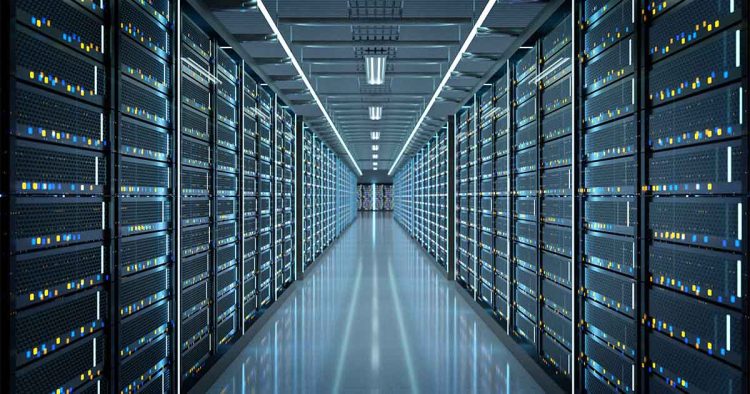
Current Responsibilities:
- Managing SAN, NAS, and cloud storage.
- Handling backup and disaster recovery.
- Monitoring storage capacity and performance.
Future Evolution:
✅ AI-Driven Storage & Cloud-based Solutions:
- AI-based storage solutions (AWS S3 Intelligent-Tiering, Azure Blob AI) will optimize data automatically.
- Edge computing and decentralized storage (Filecoin, IPFS) will reduce reliance on traditional storage architectures.
✅ Skills to Stay Relevant:
- Cloud Storage (AWS S3, Azure Blob, Google Cloud Storage).
- AI-driven storage analytics & automation.
- Cybersecurity & Data Protection (AI-driven backup strategies).
🔻 Obsolete Skills:
- Managing on-prem SAN/NAS manually.
- Tape backup solutions (becoming obsolete with cloud-based AI-driven backup systems).
3. Unix/Linux Administrator

Current Responsibilities:
- Managing Linux servers (RHEL, Ubuntu, CentOS).
- Handling shell scripting and automation.
- User management, security, and firewall configurations.
- Managing Apache, Nginx, and Tomcat.
Future Evolution:
✅ AI-Driven Linux Administration & Kubernetes Shift:
- AI and cloud-based Linux workloads (AWS Linux, Azure Linux VMs, Kubernetes) will dominate the industry.
- Immutable infrastructure (containers, Kubernetes) will reduce traditional OS administration.
✅ Skills to Stay Relevant:
- Kubernetes & Containerization (Docker, OpenShift, AWS ECS, GKE).
- Linux for AI & ML (setting up AI workloads on Linux with GPUs).
- Infrastructure as Code (Terraform, Ansible, Puppet, Chef).
🔻 Obsolete Skills:
- Manual Linux administration without automation.
- Running on-prem Apache/Nginx without cloud integration.
4. Database Administrator (DBA)
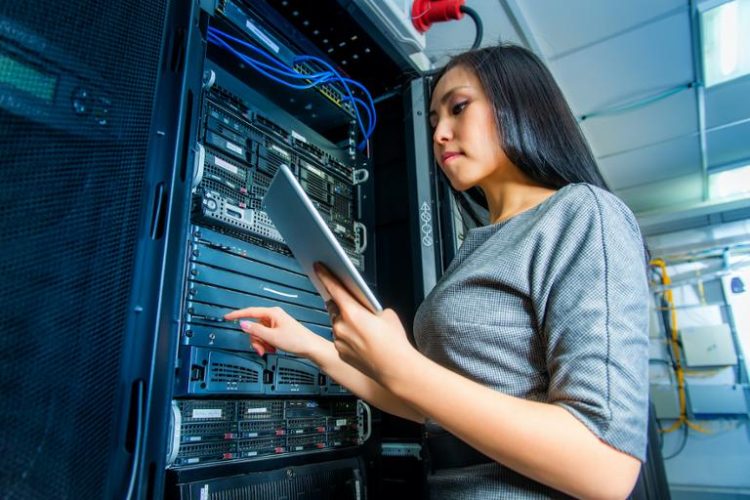
Current Responsibilities:
- Managing SQL & NoSQL databases (Oracle, MySQL, PostgreSQL, MongoDB).
- Database performance tuning & query optimization.
- Backup, replication, and disaster recovery.
Future Evolution:
✅ AI-Driven Databases & Autonomous DB Management:
- AI-based self-tuning databases (Oracle Autonomous Database, AWS Aurora, Google BigQuery) will eliminate manual optimization.
- Serverless databases (Firebase, AWS DynamoDB) will replace traditional DBs.
- AI-driven analytics will automate data governance & security.
✅ Skills to Stay Relevant:
- Cloud Databases & DBaaS (AWS RDS, Azure SQL, Google Cloud Spanner).
- NoSQL & AI-Optimized Databases (MongoDB, Firebase, Neo4j).
- Data Engineering & AI Integration (ETL, Apache Spark, Kafka).
🔻 Obsolete Skills:
- Manual SQL tuning & indexing.
- Managing on-prem relational databases without cloud integration.
5. Network Administrator
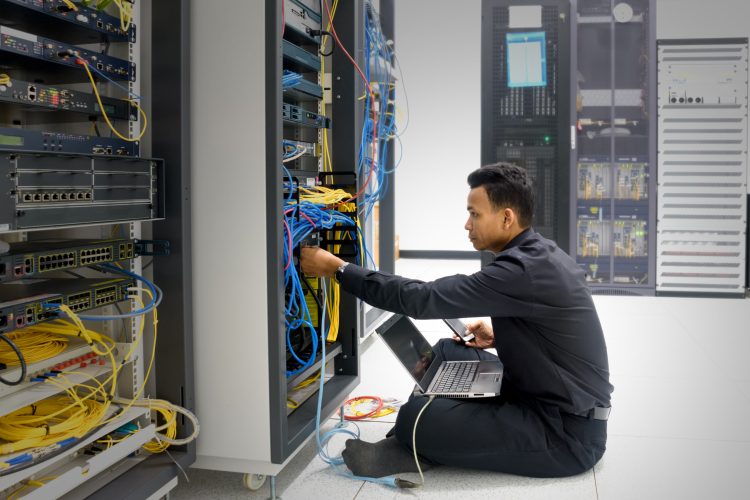
Current Responsibilities:
- Managing network infrastructure (routers, switches, firewalls, VPNs).
- Monitoring network performance and troubleshooting issues.
- Ensuring network security and compliance.
Future Evolution:
✅ AI-Driven Networking & SDN Shift:
- AI-driven network automation and self-healing networks will optimize traffic and reduce manual troubleshooting.
- Software-Defined Networking (SDN) and Network Function Virtualization (NFV) will replace traditional network hardware management.
✅ Skills to Stay Relevant:
- Cloud Networking (AWS VPC, Azure Virtual Networks, Google Cloud Networking).
- AI-powered Network Security (Zero Trust Security, AI-based threat detection).
- SDN & NFV Technologies (Cisco ACI, VMware NSX).
🔻 Obsolete Skills:
- Manual network configuration without automation.
- Traditional hardware-based networking without SDN integration.
Final Comparison Table
| Role | Key Future Skills | Obsolete Skills |
|---|---|---|
| Wintel Admin | Cloud (Azure, AWS), AI-driven IT automation, DevOps, Zero Trust Security | Manual patching, on-prem AD management |
| Storage Admin | Cloud storage (AWS S3, Azure Blob), AI-driven storage analytics, Blockchain storage | Traditional SAN/NAS management |
| Unix/Linux Admin | Kubernetes, AI-powered automation, Cloud-based Linux, Infrastructure as Code | Manual Linux administration |
| DBA | AI-driven databases (Autonomous DBs), Cloud DBs, NoSQL, Data Engineering | Manual DB tuning, on-prem SQL administration |
| Network Admin | AI-driven networking, Cloud networking, SDN & NFV | Manual network configuration, hardware-based networking |
Conclusion: What Should IT Admins Do Now?
The IT administration field is shifting towards automation, AI, cloud computing, and DevOps. IT professionals must adapt by learning:
✅ Cloud Computing (AWS, Azure, GCP).
✅ AI-powered IT Automation (AIOps, DevOps, Infrastructure as Code).
✅ Edge Computing & Blockchain-based storage alternatives.
✅ Data Engineering & AI Integration Skills.
Will AI Replace IT Admins?
No, but AI will replace repetitive tasks. IT admins who upskill in cloud, automation, and AI will remain in demand, while those who resist change risk job loss.
🚀 The future is not about being replaced by AI but about working alongside AI to build more efficient, scalable, and intelligent IT infrastructures.
Comments

Hi, I’m Nishanth Muraleedharan (also known as Nishani)—an IT engineer turned internet entrepreneur with 25+ years in the textile industry. As the Founder & CEO of "DMZ International Imports & Exports" and President & Chairperson of the "Save Handloom Foundation", I’m committed to reviving India’s handloom heritage by empowering artisans through sustainable practices and advanced technologies like Blockchain, AI, AR & VR. I write what I love to read—thought-provoking, purposeful, and rooted in impact. nishani.in is not just a blog — it's a mark, a sign, a symbol, an impression of the naked truth. Like what you read? Buy me a chai and keep the ideas brewing. ☕💭 For advertising on any of our platforms, WhatsApp me on : +91-91-0950-0950 or email me @ support@dmzinternational.com