
The Illusion of “Perk Life” at Big Tech: What Google Engineer Priyansh Really Meant
“Those YouTube videos showing a luxurious day in the life of a techie? That’s just the honeymoon period. The real struggle begins after the first year.” – Priyansh Agarwal, Google Engineer
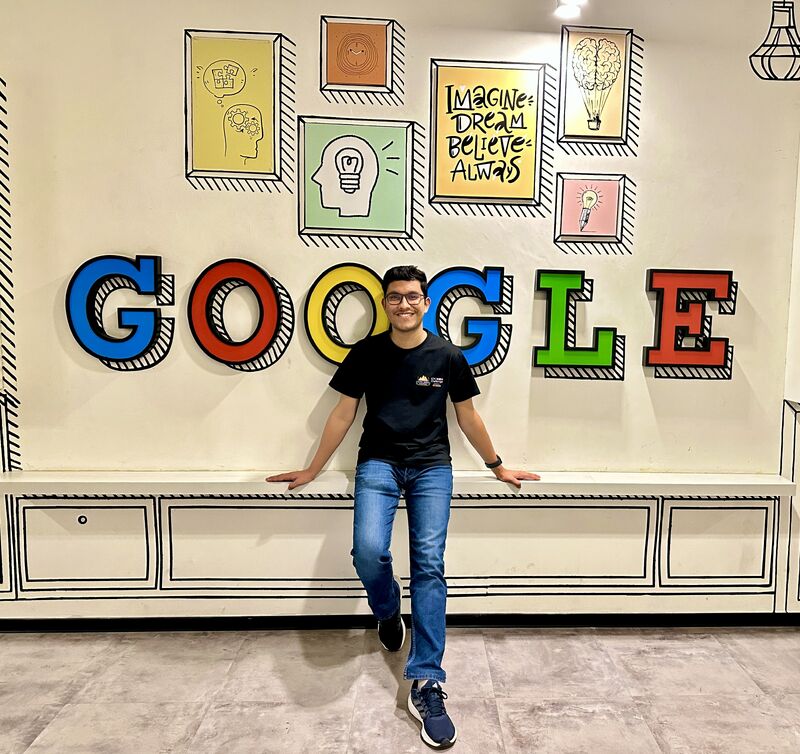
For years, YouTube has been flooded with glossy “day in the life” videos featuring young software engineers sipping lattes in sunlit cafeterias, tapping away on MacBooks in beanbag-filled offices, and winding down in gyms or game rooms—all on company time. To the outsider, it looks like tech heaven. But Priyansh Agarwal, a Google software engineer in Bengaluru, recently burst that bubble with a viral post on X. He wrote what many insiders have whispered for years: those videos capture only the “honeymoon period.” The real game begins after the first year.
The Honeymoon Trap
When fresh engineers join Google, Meta, or Microsoft, they’re pampered. Onboarding is slow, projects are light, and managers shield new hires while they “settle in.” Cafeteria food tastes better, the nap pods feel magical, and even writing a 20-line script gets applause in meetings. This is the content you see online—the “free food, flexible hours, rooftop coffee” version of Big Tech.
But behind the camera, this is temporary. It’s not the career, it’s the introductory offer.
The Reality Check After Year One
Priyansh’s comment resonated because the first year is when the bubble pops. Once the novelty wears off, engineers face:
- Relentless Deadlines: You’re suddenly expected to deliver not toy projects but real features rolled out to millions of users. A single bug can mean millions lost. That pressure? No video captures it.
- Performance Reviews & OKRs: Google (like most big tech firms) runs on quarterly OKRs—Objectives and Key Results. In year one, you’re forgiven for missing them. In year two, missing them means you’re on the radar for “performance improvement plans.”
- On-Call Hell: After 12–18 months, most engineers are added to on-call rotations. That means 2 a.m. pager alerts when production servers fail. Imagine debugging a live payment outage while your friends assume you’re still “playing foosball at Google.”
- The Stack Problem: Google’s tech stack is massive and custom-built. The libraries and tools aren’t things you learned in college. By year two, excuses fade. You’re expected to know how to navigate undocumented internal systems that sometimes even veterans struggle with.
- Survivor’s Guilt: The perks remain—buffets, gyms, swag. But instead of enjoying them, most employees feel guilty taking breaks when deadlines loom. That free sushi? It starts to taste like stress.
Why Priyansh Struck a Nerve
His post blew up because it revealed a silent truth: Big Tech jobs are not vacations. They’re closer to endurance sports. Many engineers admitted online that they too lived the “honeymoon life” for a year, only to face sleepless nights, harsh peer reviews, and the haunting fear of layoffs.
One senior engineer even commented: “After your first promo cycle, you realize this isn’t about perks—it’s about survival.”
The Hidden Struggles No One Films
- Mental Burnout: Constant deadlines + peer pressure lead to anxiety, imposter syndrome, and even depression. Many employees leave within 2–3 years not because of low pay, but because of exhaustion.
- Work-Life Myth: Flexibility exists, but once you’re a critical path owner, switching off your laptop at 6 p.m. feels like a crime.
- The Layoff Cloud: In today’s climate, every quarter brings rumors of restructuring. A job that once symbolized stability now feels like standing on shifting sand.
Stories From the Trenches
Here’s what ex-employees themselves have revealed over the years:
- Ex-Google engineer on Reddit: “My first year was fun—snacks, massages, hackathons. By year two, I was on-call every other weekend. Once I had to debug a production crash while attending my cousin’s wedding. I missed the entire ceremony.”
- Former Microsoft developer (via Blind app): “People assume we just write elegant code. Reality? Half my time was fixing legacy systems no one dared touch. The pressure wasn’t to innovate—it was not to break anything that millions depend on daily.”
- Ex-Google Site Reliability Engineer (SRE): “Pager duty ruined my sleep cycle. I couldn’t travel for two years without carrying two backup laptops. The joke internally was: you don’t own the system, the system owns you.”
- Anonymous comment on Hacker News: “Promotion battles are bloodsport. Everyone is smiling in the cafeteria, but behind closed doors, it’s who can prove their impact in metrics. I once worked 70-hour weeks for a quarter just to ensure I wasn’t labelled ‘coasting’.”
Big Tech vs Indian IT Services: The Different Reality
Here’s the kicker—what Priyansh described is not the same struggle you’d see in Infosys, TCS, or Wipro.
- Service Companies (Infosys/TCS/Wipro):
The grind begins from day one. You don’t get beanbags or buffets; you get long client calls, tight billable hours, and offshore/onshore pressure. Engineers are often placed on outdated tech stacks for years, stuck in support work with little scope to innovate. The perks are minimal, but so is the glamour. The “honeymoon period” doesn’t even exist—freshers are billable resources from week one. - Product Companies (Google/Microsoft):
The first year feels like a dream: perks, prestige, slow onboarding. But the storm hits later when you’re handed billion-user responsibilities. The challenge isn’t boredom—it’s burnout.
In short: Infosys will bore you early, Google will burn you later. Both demand survival, but in very different ways.
The Future: AI Will Rewrite This Grind
If today feels heavy, tomorrow might be heavier. AI automation is already reshaping tech jobs.
- In Service Companies: AI tools are swallowing repetitive coding, testing, and support roles—the very work that entry-level engineers survive on. This means the traditional “safe” IT service job is no longer safe. Freshers risk being benched or replaced before even learning the ropes.
- In Product Companies: AI is boosting speed, but also expectations. If GitHub Copilot can write half your code, managers expect you to deliver twice as fast. AI won’t reduce the grind—it will raise the bar. Engineers will be pushed to handle system-level complexity, architecture decisions, and AI oversight, not just coding.
- The Human Cost: The irony? AI might make tech more brutal. In services, it threatens job security. In products, it demands superhuman performance. Either way, the “honeymoon period” will shrink further, and the pressure will start on day one.
The Takeaway: Beyond the Glass Buildings
Priyansh wasn’t discouraging young engineers; he was exposing the mirage. A Google badge doesn’t mean eternal free lattes and leisure coding. It means high-stakes responsibility, pressure to constantly upskill, and the humility to accept that the cafeteria desserts won’t sweeten a missed deadline.
The truth? Big Tech is not a dream or a nightmare—it’s both. The perks are real, but so is the price. The honeymoon phase makes for great content. The second year makes for real growth.
And that’s the story no vlog camera dares to film.
👉 Final Thought: Don’t chase a job for the free food. Chase it for the challenge. The free food stops tasting good after year one—but the skills you gain can feed you for life.
🔥 Mic-Drop Ending: The beanbags and buffets are temporary. The code and the chaos? That’s the real Google experience. And in tomorrow’s AI-driven world—burnout may not wait a year, it may arrive on day one.
Comments

Hi, I’m Nishanth Muraleedharan (also known as Nishani)—an IT engineer turned internet entrepreneur with 25+ years in the textile industry. As the Founder & CEO of "DMZ International Imports & Exports" and President & Chairperson of the "Save Handloom Foundation", I’m committed to reviving India’s handloom heritage by empowering artisans through sustainable practices and advanced technologies like Blockchain, AI, AR & VR. I write what I love to read—thought-provoking, purposeful, and rooted in impact. nishani.in is not just a blog — it's a mark, a sign, a symbol, an impression of the naked truth. Like what you read? Buy me a chai and keep the ideas brewing. ☕💭 For advertising on any of our platforms, WhatsApp me on : +91-91-0950-0950 or email me @ support@dmzinternational.com
