
The Chokepoint War: How Houthi Threats Could Shake the World’s Energy Lifelines
Those who have not read my previous blog on Houthis ,can click on below link and read it.
The Silent Trump Card in the Middle East: Why the Houthis Haven’t Entered the War Yet
The World’s Most Dangerous Chokepoint: How the Houthi Threat Could Shake Global Energy Routes
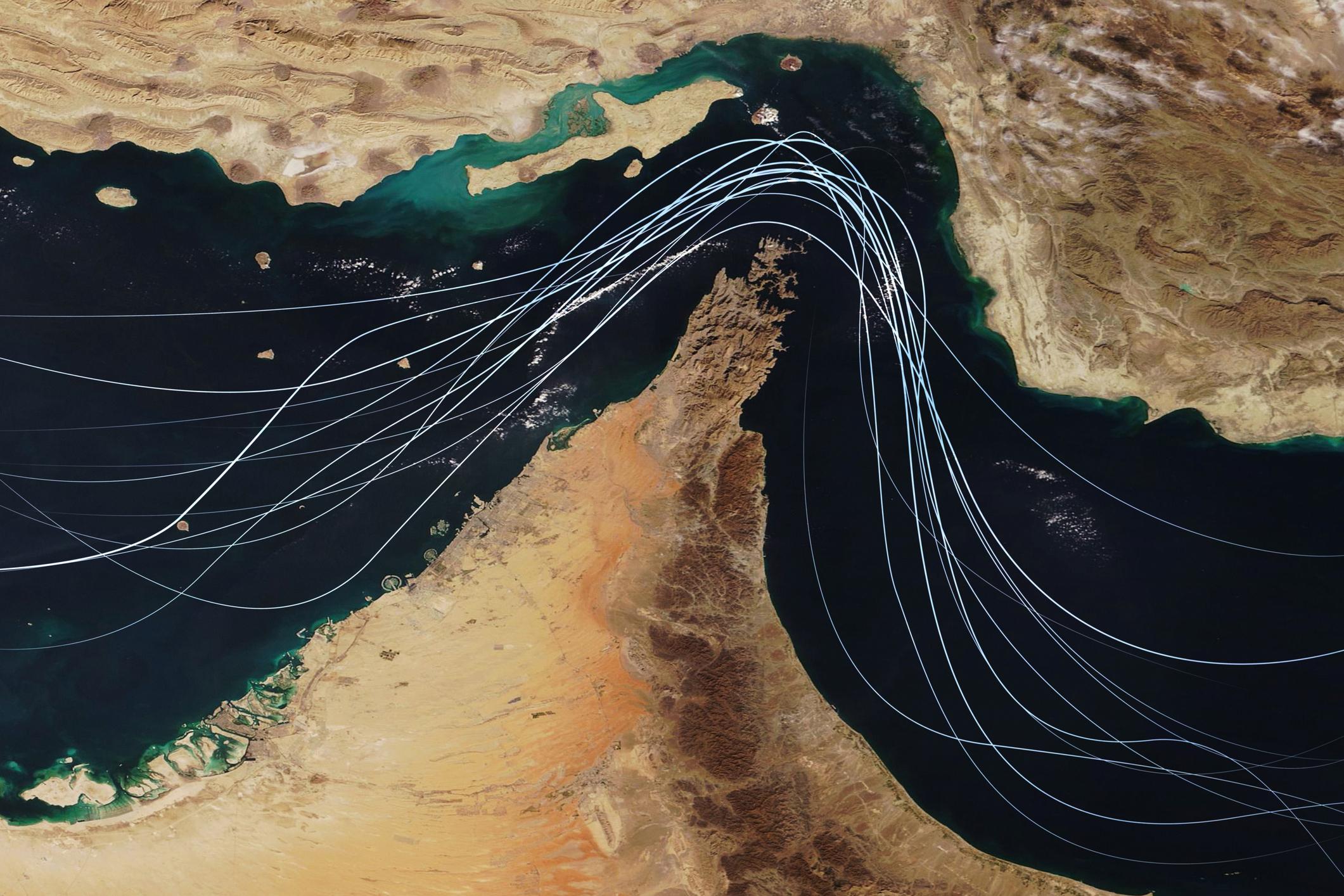
The fragile balance of global trade is once again being tested in the Middle East. Yemen’s Houthi rebels have issued a stark warning that they are waiting for the “right moment” to shut down another strategic maritime chokepoint. This warning comes at a time when tensions around the Strait of Hormuz have already disrupted shipping and raised fears across global energy markets.
But the greater concern lies elsewhere.
The waterway the Houthis are believed to be targeting is the Bab el-Mandeb Strait. This narrow passage connects the Red Sea to the Gulf of Aden and serves as the southern gateway to the Suez Canal. Nearly 12% of global trade and a significant portion of oil shipments pass through this corridor. Any disruption here instantly affects Europe, Asia, and global energy prices.
Why the Houthis Matter in Global Shipping
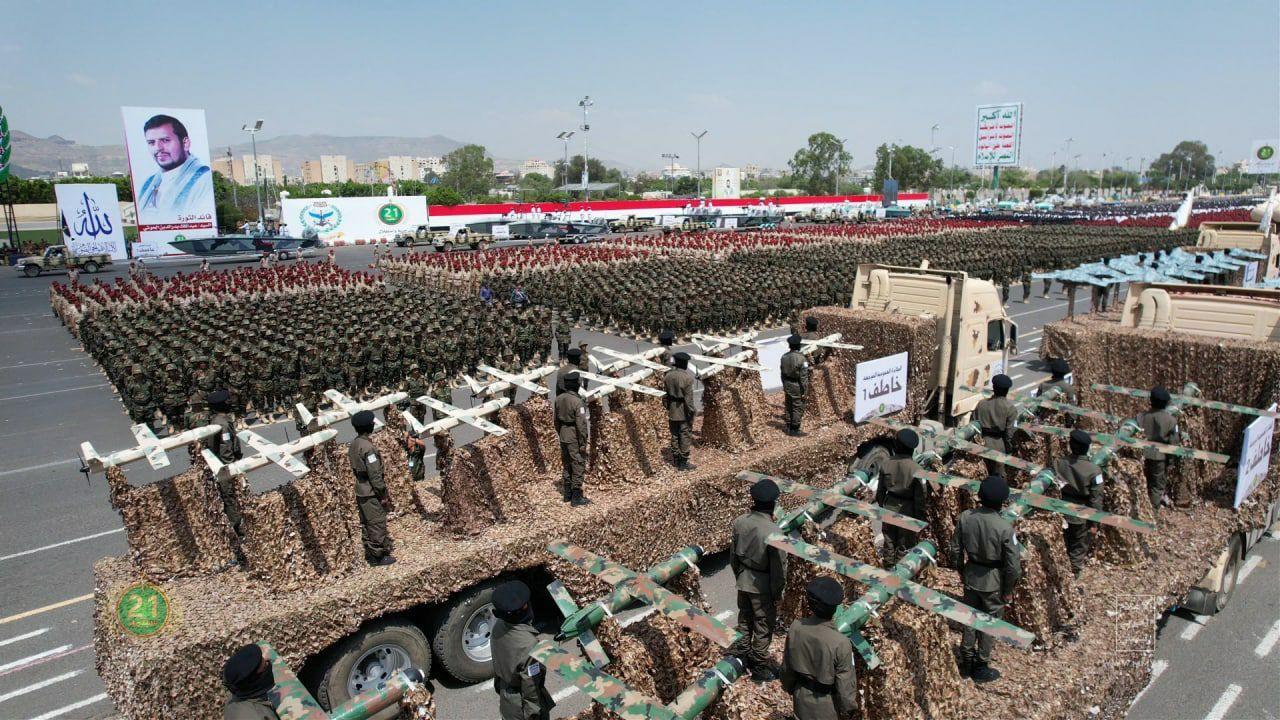
The Houthi movement has already demonstrated its ability to disrupt global shipping. In recent years, they have launched missile and drone attacks on commercial vessels passing through the Red Sea, particularly targeting ships believed to have links with Israel or Western countries. These attacks forced several global shipping companies to reroute vessels around the Cape of Good Hope at the southern tip of Africa.
Such rerouting significantly increases travel distance, fuel consumption, and insurance costs. For European economies that rely heavily on energy shipments from the Gulf region, disruptions in the Red Sea corridor have already caused delays and higher transport costs.
Iran’s Strategic Influence
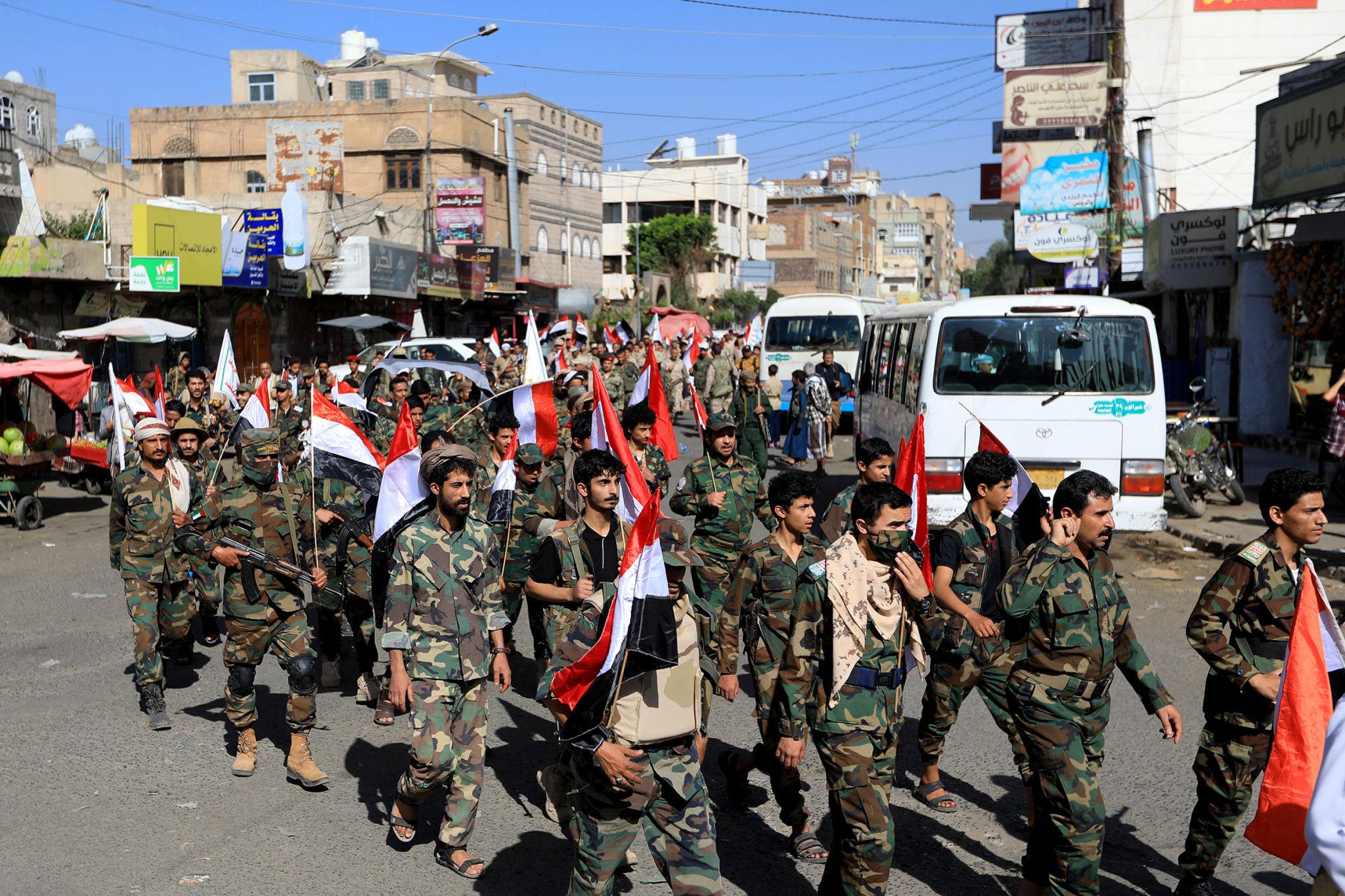
Many analysts believe the Houthis operate with strong backing from Iran. For years, Iran has reportedly provided financial support, military training, intelligence assistance, and advanced weapon systems to the group. This support has transformed the Houthis from a localized Yemeni insurgency into a force capable of launching long-range missiles, naval drones, and sophisticated attacks on shipping routes.
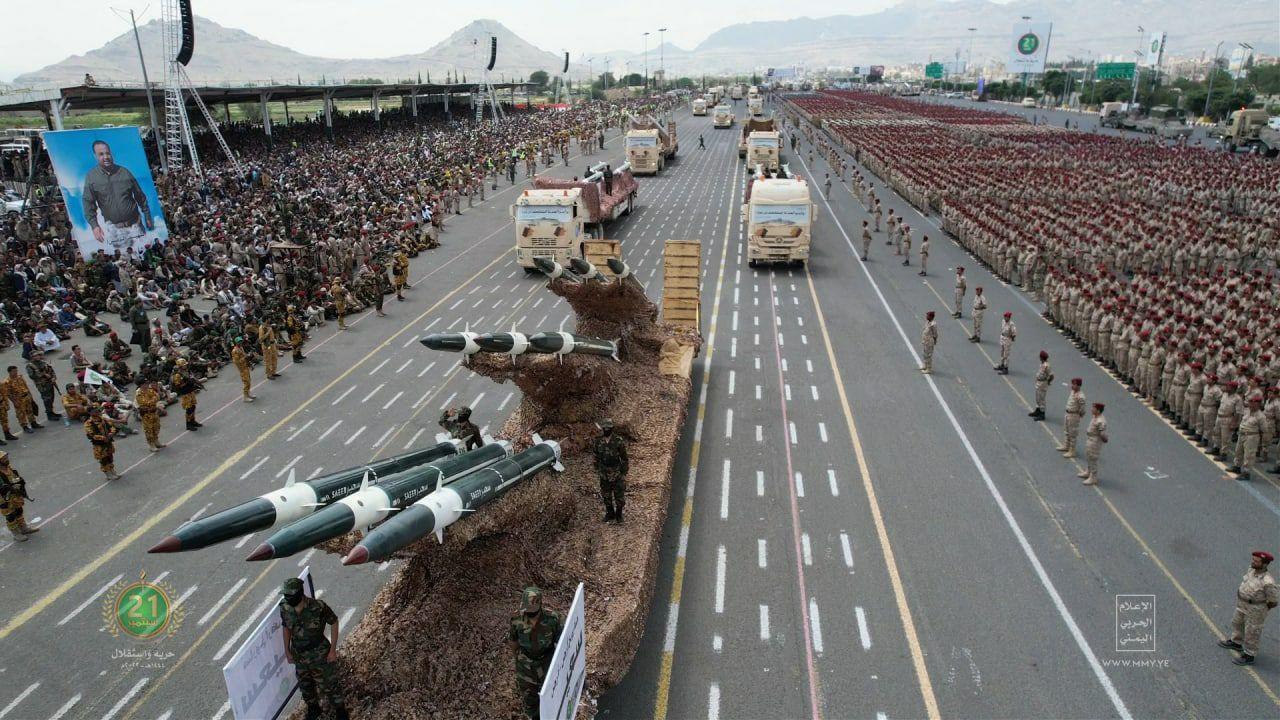
Their arsenal now includes anti-ship missiles and explosive drones capable of targeting vessels hundreds of kilometers away. This capability makes the Red Sea shipping lane particularly vulnerable.
Why the Houthis Are Willing to Escalate
For the Houthis, the conflict is not just regional politics. It is framed as part of a broader ideological struggle against Israel and the United States. Their leadership frequently presents attacks on international shipping as acts of solidarity with regional allies and resistance against Western influence in the Middle East.
Disrupting global trade routes is therefore both a military tactic and a political signal. By threatening shipping lanes used by the global economy, they force powerful nations to pay attention to conflicts that might otherwise remain regional.
Potential Global Impact
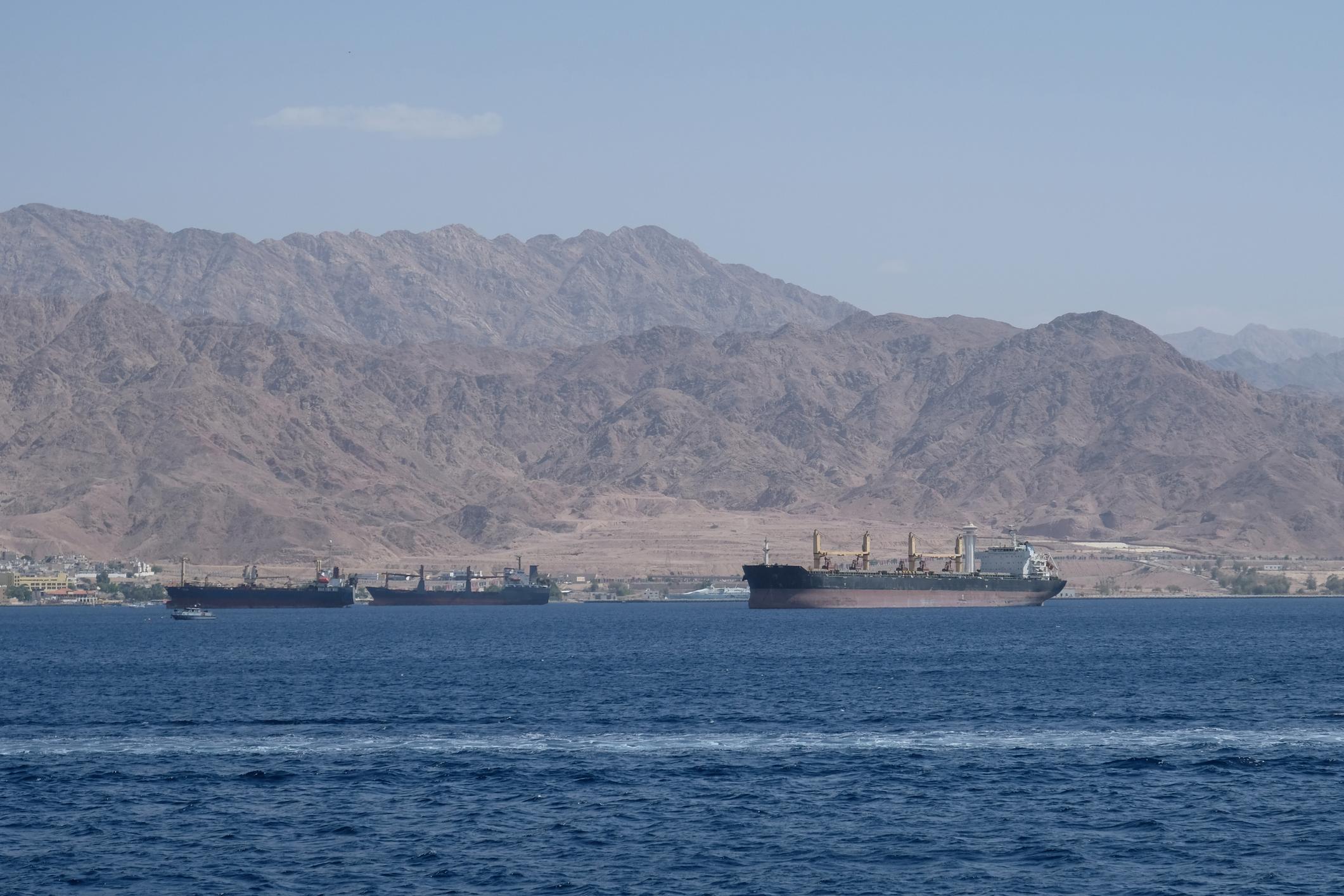
If the Bab el-Mandeb Strait becomes unsafe for commercial shipping, the consequences could be severe. Oil prices could surge sharply as tankers face delays or rerouting. European supply chains could experience major disruptions. Insurance premiums for ships traveling through the Red Sea could skyrocket, forcing companies to seek longer alternative routes.
Even a few successful attacks can create large-scale disruptions because shipping companies operate on risk calculations. Once insurers classify a route as high-risk, many vessels avoid it entirely.
What the World Should Expect
Security analysts believe the coming days and weeks could be critical. International naval forces are already increasing patrols in the Red Sea region to protect commercial vessels. However, maritime chokepoints are extremely difficult to secure completely.
A handful of missiles or drones launched from Yemen’s coastline could be enough to threaten vessels passing through the narrow strait.
The modern global economy depends on a few fragile maritime passages. When geopolitical tensions turn those chokepoints into potential battlegrounds, the consequences ripple across the world—from rising fuel prices to delayed shipments and economic uncertainty.
The real question now is not whether tensions will escalate, but how long the world’s most vital shipping routes can remain open under the shadow of war.
Comments

Hi, I’m Nishanth Muraleedharan (also known as Nishani)—an IT engineer turned internet entrepreneur with 25+ years in the textile industry. As the Founder & CEO of "DMZ International Imports & Exports" and President & Chairperson of the "Save Handloom Foundation", I’m committed to reviving India’s handloom heritage by empowering artisans through sustainable practices and advanced technologies like Blockchain, AI, AR & VR. I write what I love to read—thought-provoking, purposeful, and rooted in impact. nishani.in is not just a blog — it's a mark, a sign, a symbol, an impression of the naked truth. Like what you read? Buy me a chai and keep the ideas brewing. ☕💭 For advertising on any of our platforms, WhatsApp me on : +91-91-0950-0950 or email me @ support@dmzinternational.com