
Godhra to Empuraan: Unveiling the Truth Behind Gujarat 2002 Riots
In February 2002, Gujarat witnessed one of the most tumultuous periods in its history, marked by the Godhra train burning and the subsequent communal riots. The chain of events led to significant loss of life and property, leaving an indelible mark on the state’s socio-political fabric.
The Godhra Train Burning Incident
On the morning of 27 February 2002, the Sabarmati Express, carrying Hindu pilgrims returning from Ayodhya, was stopped near the Godhra railway station. Under circumstances that remain contentious, four coaches of the train caught fire, resulting in the deaths of 59 individuals, including women and children. This tragic incident served as the catalyst for the widespread communal riots that ensued across Gujarat.
The 2002 Gujarat Riots
Following the Godhra incident, Gujarat was engulfed in violent riots that lasted for several weeks. Official figures estimate that over 1,000 people lost their lives, with the majority being Muslims. The riots were characterized by mass murders, sexual assaults, and destruction of property, leading to significant displacement of communities.
Babu Bajrangi’s Involvement and Legal Proceedings
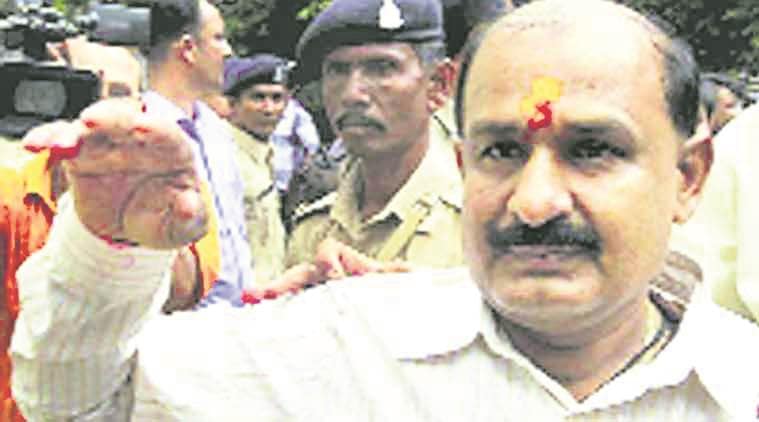
Babu Bajrangi, a prominent leader of the Bajrang Dal, was implicated in the Naroda Patiya massacre, one of the most heinous episodes during the riots. On 28 February 2002, a mob attacked the Muslim-majority area of Naroda Patiya in Ahmedabad, resulting in the deaths of 97 Muslims. In 2012, a special court convicted Bajrangi, sentencing him to life imprisonment for his role in the massacre. However, in 2019, the Gujarat High Court acquitted him of all charges, citing lack of evidence.
Sanjiv Bhatt’s Allegations and Legal Challenges
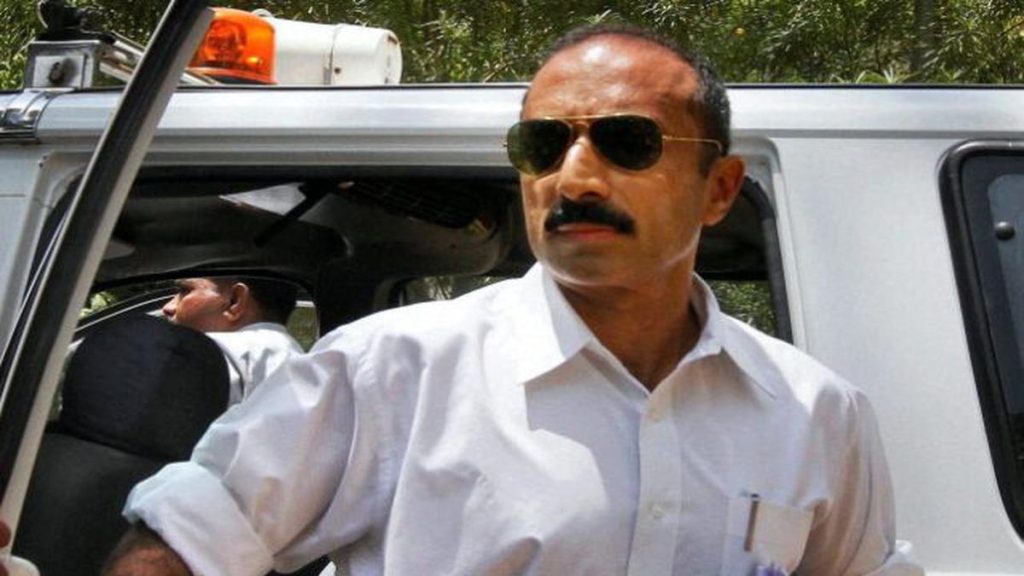
Sanjiv Bhatt, a former Indian Police Service (IPS) officer, came into the limelight for his allegations against the Gujarat government and then-Chief Minister Narendra Modi. In a 2011 affidavit, Bhatt claimed that Modi had instructed officials to allow Hindus to “vent out their anger” during the 2002 riots. However, his claims were met with skepticism, and in 2015, Bhatt was dismissed from service for unauthorized absence and other charges. In 2019, he was convicted and sentenced to life imprisonment in a 1990 custodial death case unrelated to the riots.
Current Status of Babu Bajrangi and Sanjiv Bhatt
As of March 2025, Babu Bajrangi remains acquitted of all charges related to the Naroda Patiya massacre and resides in Gujarat. Sanjiv Bhatt continues to serve his life sentence in prison.
Controversy Surrounding the Malayalam Movie ‘Empuraan’
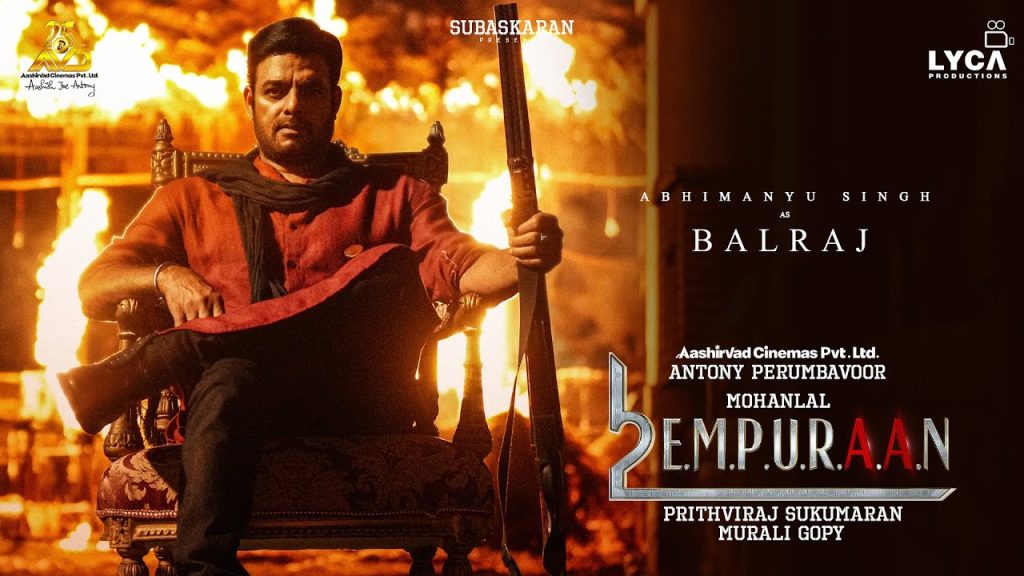
In March 2025, the Malayalam film L2: Empuraan, directed by Prithviraj Sukumaran and starring Mohanlal, sparked controversy for scenes that critics claimed bore resemblance to the 2002 Gujarat riots. Particular attention was drawn to the antagonist character named Bajrangi, which many felt closely mirrored a real-life figure. Facing mounting backlash, the filmmakers took a proactive step by voluntarily implementing over 17 edits, including changing the character’s name from Bajrangi to Balraj and removing several scenes portraying communal violence. The revised version of the film is scheduled for re-release on the upcoming Wednesday.
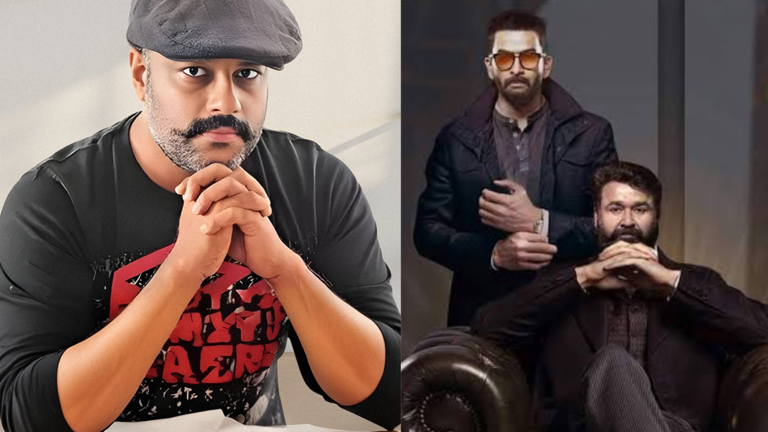
Actor Mohanlal issued an apology, stating, “We have jointly decided to remove scenes that hurt sentiments.” Screenwriter Murali Gopy, known for his political narratives, addressed the controversy by remarking, “Let them fight it out,” indicating his intent to remain neutral amid the polarized reactions.
The ‘Empuraan’ controversy underscores the enduring sensitivity surrounding the 2002 Gujarat riots and the challenges filmmakers face when portraying historical events that continue to evoke strong emotions across the societal spectrum.
Comments

Hi, I’m Nishanth Muraleedharan (also known as Nishani)—an IT engineer turned internet entrepreneur with 25+ years in the textile industry. As the Founder & CEO of "DMZ International Imports & Exports" and President & Chairperson of the "Save Handloom Foundation", I’m committed to reviving India’s handloom heritage by empowering artisans through sustainable practices and advanced technologies like Blockchain, AI, AR & VR. I write what I love to read—thought-provoking, purposeful, and rooted in impact. nishani.in is not just a blog — it's a mark, a sign, a symbol, an impression of the naked truth. Like what you read? Buy me a chai and keep the ideas brewing. ☕💭 For advertising on any of our platforms, WhatsApp me on : +91-91-0950-0950 or email me @ support@dmzinternational.com