Malabar Parotta and Beef: Kerala’s Favourite Plate and What It Does to Your Body
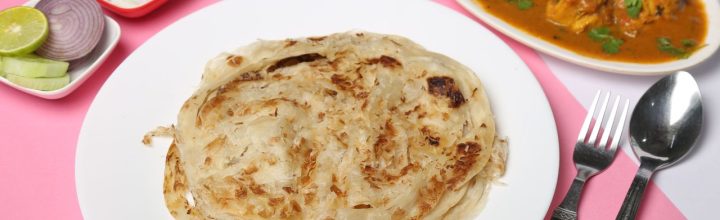
Ask anyone in Kerala for a comfort meal and many will say the same thing: a flaky parotta with beef curry, beef fry or beef roast. Small tea shops and famous restaurants serve it from early morning to late night. Some people travel for hours just for one good plate.
How did this start?
Beef eating in Kerala is old. It was common among many communities, including Christians, Muslims, and a large number of Hindus. Parotta came much later, once refined flour (maida) became common. Historians do not agree on an exact date. What is clear is that it fits Kerala’s food culture well. It is soft and layered, and it goes well with a spicy gravy.
Why the debate over beef?
Many Hindus hold the cow sacred, and several states restrict cow slaughter. Rules differ from state to state. Kerala allows the sale of beef, so it is eaten openly. Muslims do not eat pork because their faith forbids it, and many Christians do eat it. This is a matter of belief and law. The health question is separate.
What is the real health problem?
Beef is not poison. The problem is how much we eat, how it is cooked, and what it is paired with.
- Maida is highly refined. It digests fast and raises blood sugar quickly.
- Parotta is made with a lot of oil or fat, so one piece carries many calories.
- Red meat in large amounts is linked to a higher risk of bowel cancer. The WHO’s cancer agency lists red meat as probably cancer-causing.
- Beef fry and roast are often cooked in plenty of oil, which adds more calories.
- Eating late at night, with little exercise, makes everything worse.
Is this why Kerala has so much disease?
Part of it, but not all. Kerala is often called the diabetes capital of India, and studies show roughly one in four adults there has diabetes. Reported cancer rates are also well above the national average. Experts point to obesity, tobacco, alcohol, little exercise, and fried food. Kerala also has better hospitals and better testing, so more cases get found and counted.
So the honest answer is that parotta and beef play a part, but they are not the only cause. A plate eaten once a week is not the same as a plate eaten every day.
How often should you eat it?
- Keep red meat to about 350 to 500 grams of cooked meat per week.
- Have parotta once a week at most. Choose wheat parotta or chapati for other days.
- Avoid it at late-night meals.
- Add a salad, cucumber, or boiled vegetables to the plate.
What to eat by age
- Children: Milk, eggs, dal, fish, fruit, ragi, and rice with vegetables. Parotta only as a rare treat.
- Teenagers and young adults: Balanced meals, plenty of protein from dal, eggs, and fish, and less fried and packaged food. This is the age when habits form.
- Ages 30 to 50: Cut down on maida, sugar, and fried food. Eat more vegetables, millets, and whole grains. Get your blood sugar, cholesterol, and blood pressure checked every year.
- Above 50: Eat lighter dinners, less salt, and less red meat. Include fish, pulses, fruit, and curd. Get cancer screening as your doctor advises.
Eat daily: vegetables, fruit, dal, whole grains, and fish.
Eat sometimes: chicken, eggs, and beef.
Eat rarely: parotta, beef fry, sweets, and deep-fried snacks.
Avoid: tobacco, heavy alcohol, and daily maida.
The bigger picture
Walk at least 30 minutes a day. Sleep well. Get regular tests. Food is only one part of health.
Kerala does not need to give up parotta and beef. It needs to stop eating them every day. Love the plate, but do not let it become your whole diet.
Comments

Hi, I’m Nishanth Muraleedharan (also known as Nishani)—an IT engineer turned internet entrepreneur with 25+ years in the textile industry. As the Founder & CEO of "DMZ International Imports & Exports" and President & Chairperson of the "Save Handloom Foundation", I’m committed to reviving India’s handloom heritage by empowering artisans through sustainable practices and advanced technologies like Blockchain, AI, AR & VR. I write what I love to read—thought-provoking, purposeful, and rooted in impact. nishani.in is not just a blog — it's a mark, a sign, a symbol, an impression of the naked truth. Like what you read? Buy me a chai and keep the ideas brewing. ☕💭 For advertising on any of our platforms, WhatsApp me on : +91-91-0950-0950 or email me @ support@dmzinternational.com