
Plastic Notes in India: Is the RBI Finally Making the Switch?
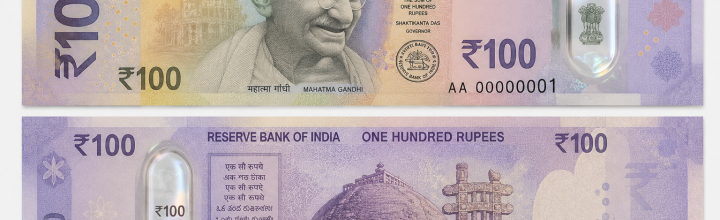
For years, the idea of plastic money in India was a rumour that came and went. Now it is back, and this time it looks more serious.
In its board meetings held in Patna and Mumbai, the Reserve Bank of India discussed bringing in polymer (plastic) banknotes once again. RBI Governor Sanjay Malhotra confirmed in early June 2026 that the proposal is real, but still at an early stage. So no, plastic notes are not in your wallet yet. But the groundwork is being laid.
Why now?
The simple answer is cost and wear.
Even with UPI everywhere, cash demand keeps rising. Currency in circulation touched ₹41.23 trillion by end-March 2026, up almost 12 percent in a year. People in villages, small shops, and daily markets still trust cash. But paper notes do not last in India. Heat, humidity, dust, and constant handling destroy them fast. The RBI removes and destroys around two lakh damaged notes every year, and a large share of these are the heavily used denominations.
Replacing all those notes is expensive. Printing costs jumped to ₹6,372 crore in one year before falling again once the RBI printed fewer notes. Polymer notes can change this math completely. They last two to four times longer than paper. Fewer replacements means less printing, less waste, and lower long-term cost.
What will the first plastic notes look like?
If the pilot goes ahead, the RBI is expected to start small, likely with ₹10 and ₹20 notes. These are the most used and the fastest to wear out, so they are the obvious test cases.
This is not India’s first attempt. Back in 2012, the country planned a field trial of one billion ₹10 plastic notes across five cities chosen for different climates: Kochi, Mysore, Jaipur, Shimla, and Bhubaneswar. That plan was quietly dropped, partly because ATMs struggled to handle the thicker plastic notes. This time the RBI will have to solve that machine problem before any wide rollout.
When can we expect them?
There is no fixed date. A pilot project is likely to be announced soon, but a nationwide switch will only happen step by step after the trial results are studied. Realistically, this is a multi-year journey, not a sudden change. Anyone telling you plastic notes will replace paper next month is guessing.
The Canada lesson
To understand why the RBI is interested, look at Canada. It introduced polymer notes in 2011, starting with the $100 bill, and finished the switch by 2013.
The results were strong. Canada had a serious fake-money problem in the early 2000s. In 2004, it was finding 470 counterfeit notes for every one million real notes in circulation. By 2011 that number had crashed to just 35 per million. To be fair, part of this drop came from better policing and improved security features that started even before plastic. But the polymer notes locked in the gains, because they carry features that are very hard to copy: clear see-through windows, holographic foil, raised touch marks, and colour-shifting ink.
Canada’s benefits go beyond fewer fakes. The notes last far longer, stay cleaner, are harder to tear, and are easy for shopkeepers to check. Many countries that switched to polymer have reported similar drops in counterfeiting.
What this could mean for India
India faces the same two problems Canada did: fake notes and notes that wear out fast. Polymer could help on both fronts. Cleaner, tougher notes would mean fewer trips to the bank to swap soiled cash. Better security features would make life harder for counterfeiters. And over time, lower printing and replacement costs would ease the burden on the central bank.
There are real challenges too. Plastic notes cost more to print at the start. They can stick together in extreme heat. And every ATM and cash-handling machine in the country may need adjusting. India’s climate and scale make this a far bigger task than Canada’s.
And the ₹2000 note?
This is a separate story that often gets mixed up with the plastic-note talk, so let us be clear.
The ₹2000 note is not part of any plastic shift. The RBI stopped printing it back in 2018-19 and withdrew it from circulation in May 2023. That is why you never see it in ATMs anymore: there is simply no fresh supply, and the RBI does not want it back in active use. The reason given was the “Clean Note Policy” and the fact that this denomination was rarely used in normal daily transactions.
The withdrawal has worked. Of the ₹3.56 lakh crore worth of ₹2000 notes that were in circulation in May 2023, over 98 percent have returned to the banking system. Only a small amount is left. Importantly, the note is still legal tender. If you hold one, you can still deposit or exchange it at the 19 RBI issue offices or send it through India Post.
Alongside this, the RBI has been pushing banks to stock more ₹100 and ₹200 notes in ATMs, so that everyday cash is easier to get.
The bottom line
Plastic notes are coming closer, but slowly and carefully. The RBI is right to test first. The promise is real: longer-lasting notes, fewer fakes, and lower costs over time. The risk is just as real: heat, machines, and the sheer size of India.
If the pilot succeeds, the rupee in your hand may one day feel very different. Until then, the smart move is to watch the trial, not the hype.
Comments

Hi, I’m Nishanth Muraleedharan (also known as Nishani)—an IT engineer turned internet entrepreneur with 25+ years in the textile industry. As the Founder & CEO of "DMZ International Imports & Exports" and President & Chairperson of the "Save Handloom Foundation", I’m committed to reviving India’s handloom heritage by empowering artisans through sustainable practices and advanced technologies like Blockchain, AI, AR & VR. I write what I love to read—thought-provoking, purposeful, and rooted in impact. nishani.in is not just a blog — it's a mark, a sign, a symbol, an impression of the naked truth. Like what you read? Buy me a chai and keep the ideas brewing. ☕💭 For advertising on any of our platforms, WhatsApp me on : +91-91-0950-0950 or email me @ support@dmzinternational.com