
When a Game Doesn’t Just Kill Time — It Kills Children
This is not metaphor. This is not exaggeration. This is not fiction.
Yesterday, in Ghaziabad, three sisters — Pakhi (12), Prachi (14), and Vishika (16) — jumped to their deaths from the ninth floor of their apartment at 2 a.m.
It sounds like the opening scene of a possessed horror movie.
But what possessed them wasn’t a ghost.
It was a foreign task-based online game, reportedly linked to Korean digital communities, designed around obedience, isolation, psychological control, and self-harm challenges.
Police recovered an eight-page suicide note.
One line should terrify every parent in India:
“Papa, sorry. Korea is our life. Korea is our biggest love. Whatever you say, we cannot give it up.”
Their father said the addiction began during the COVID lockdowns. Slowly, school disappeared. Friends vanished. Reality faded.
The sisters ate together, bathed together, lived by strict “tasks” allegedly dictated by the game. They even adopted Korean names, refusing to answer to their real ones.
This wasn’t gaming.
This was digital grooming.
And this is where we must stop pretending that all games are harmless entertainment.
There was a time when a video game did not chase you.
It waited for you.
You sat in front of a bulky TV, held a wired controller, and entered a world where progress depended on one thing: your patience.
Lose a level?
Start again.
No shortcuts.
No pity rewards.
No “Come back in 2 hours for a bonus.”
Just you, your mistakes, and your will to improve.
That era quietly built a generation with stronger focus than they realize today.
🎮 When Games Built Patience, Not Pressure
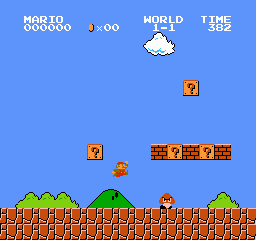
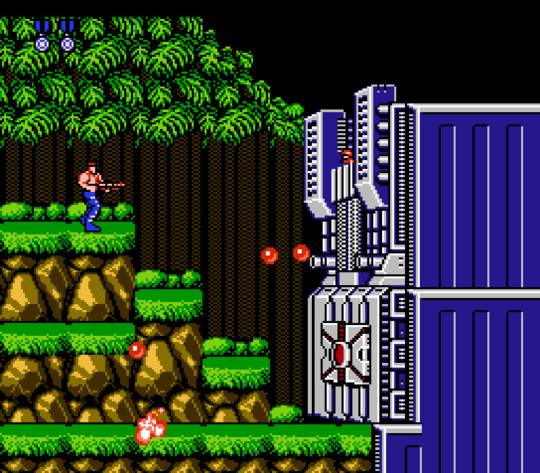

Ask any 90s kid about Super Mario Bros., Contra, or Prince of Persia.
Those games were tough. Sometimes unfair. Often frustrating.
But they taught powerful lessons:
- Failure was normal
- Progress was earned
- Mastery took time
- Winning felt meaningful
There were no flashing pop-ups screaming for attention.
No timers forcing you to return.
No artificial urgency.
You played because you wanted to.
And when you finally cleared a level after 50 tries?
That victory wired your brain for perseverance.
Games were not dopamine machines.
They were skill-builders.
📱 Today’s Games: Designed to Hook, Not Teach

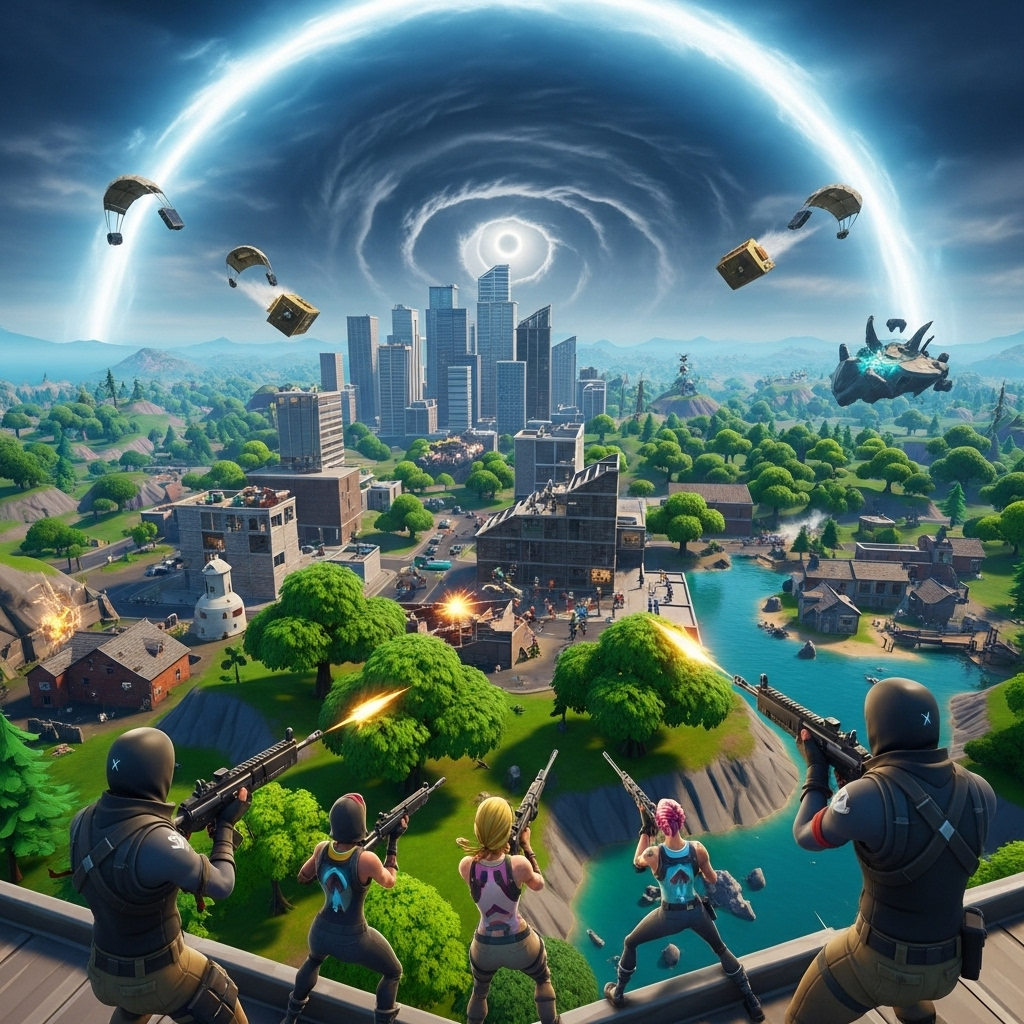
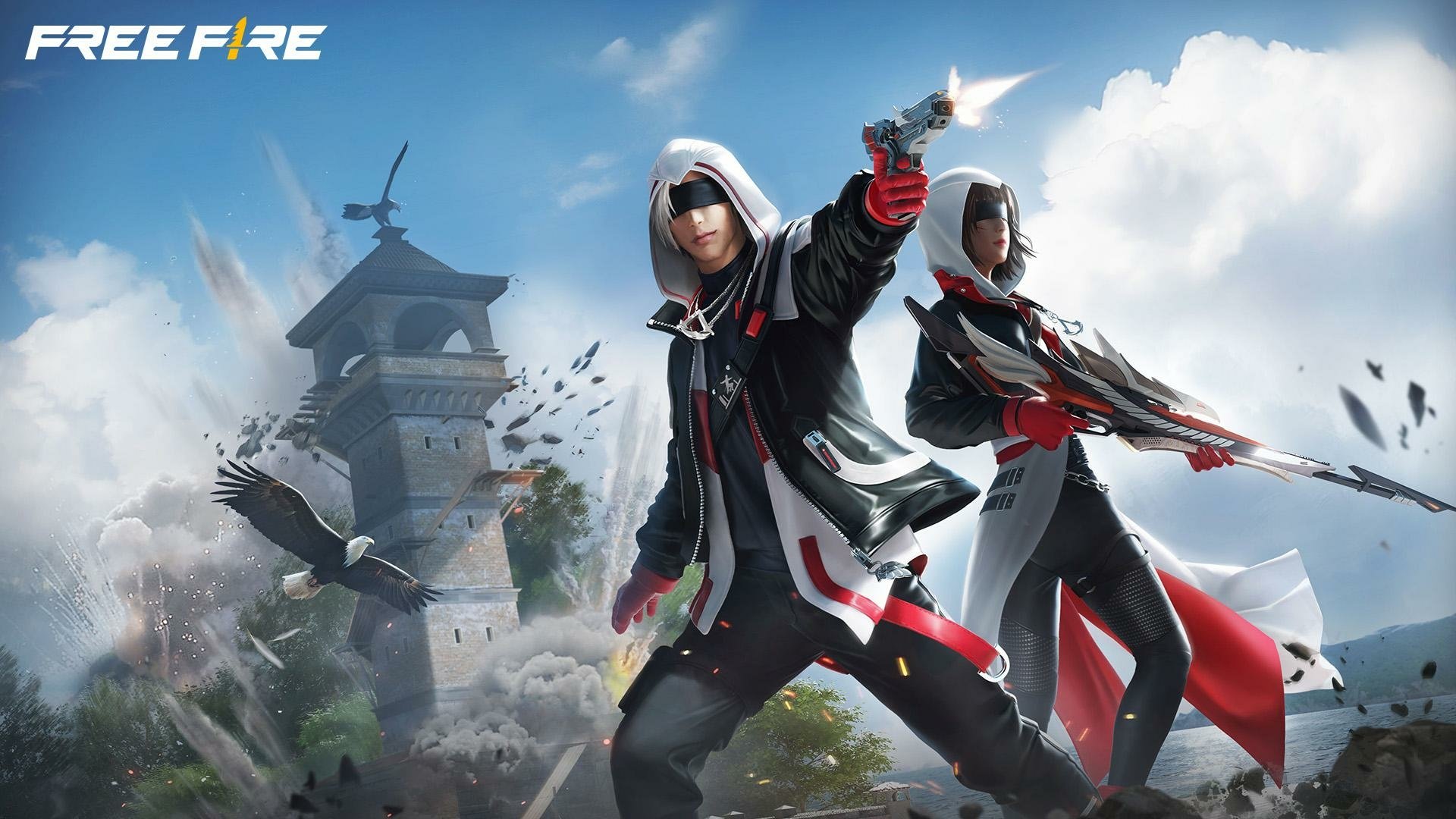
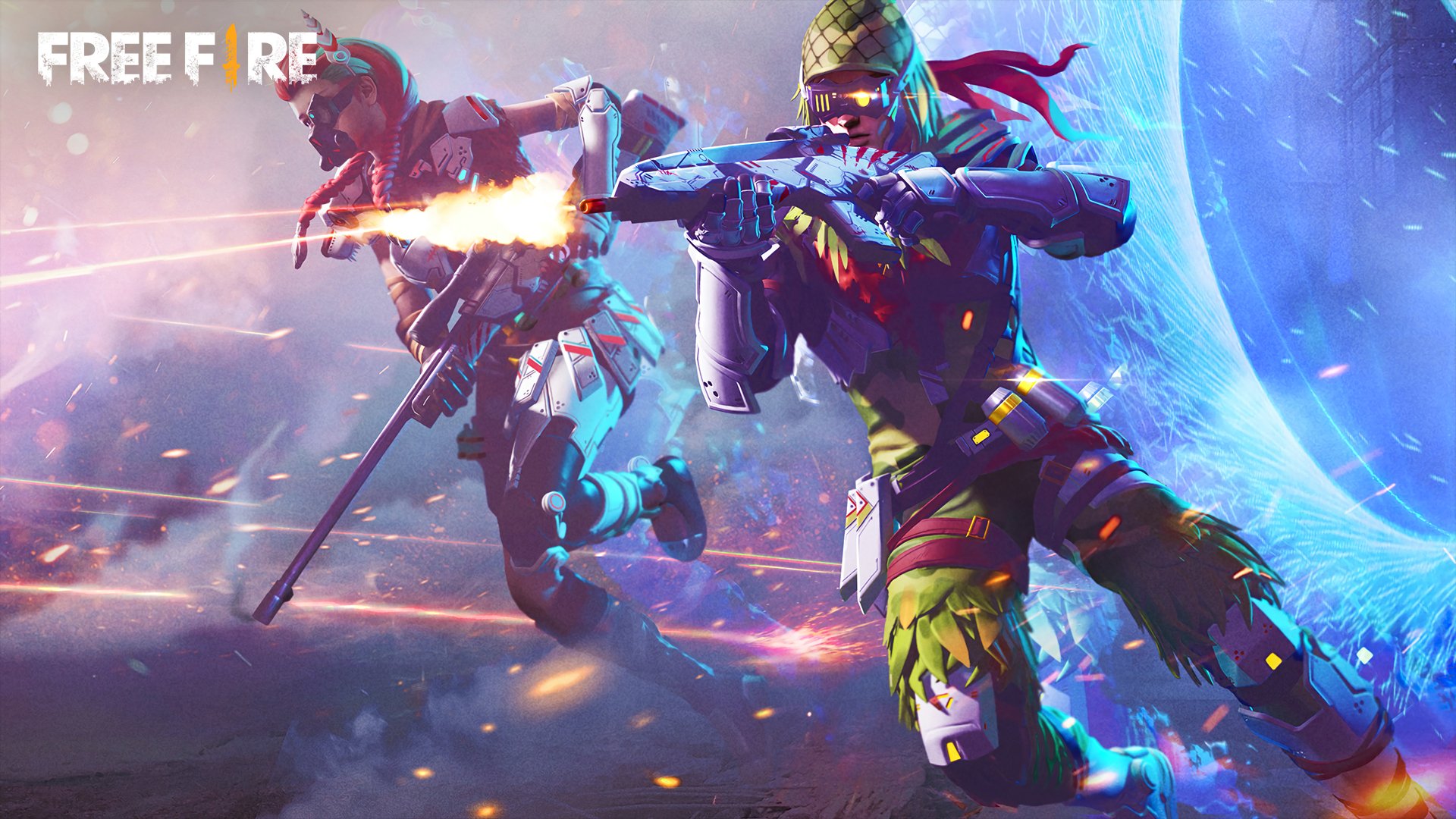
Now look at today’s giants like PUBG: Battlegrounds, Fortnite, and Garena Free Fire.
These are not just games.
They are behavioral systems.
They use:
- Daily streak rewards
- Limited-time skins
- Rank decay systems
- Loot boxes
- Battle passes
- Constant notifications
Miss a day? You fall behind.
Don’t log in? You lose rewards.
Don’t buy? You feel left out.
This is not accidental.
It is psychological design.
Modern games borrow tricks from casinos and social media:
👉 Variable rewards
👉 Fear of missing out
👉 Social pressure
👉 Endless progression loops
The goal is not your enjoyment.
The goal is your retention.
🧠 The Real Cost No One Talks About
Here’s the uncomfortable truth:
When a child’s brain grows in an environment of constant stimulation,
patience feels like pain.
Why read a book when a game gives rewards every minute?
Why practice a skill when an app gives instant wins?
Why focus deeply when distractions pay better?
Attention is becoming a luxury skill.
And the scariest part?
Most parents think their kids are just “playing.”
They are not.
They are being conditioned.
⚠️ This Is Not About Blaming Games
Games are not villains.
Design is.
A knife can cook food or hurt someone.
A game can build focus or break it.
The difference lies in how it is designed and how it is used.
A child playing one hour mindfully is different from a child trapped in reward loops for five hours.
One builds control.
The other builds dependency.
💣 The Shocking Question We Should Ask
If today’s games are built to hold attention,
and social media is built to steal attention,
When do kids actually learn to control their attention?
Because the future will not reward the most entertained mind.
It will reward the most focused one.
🌱 A Simple Reset
Maybe the solution is not banning games.
Maybe it is balance.
- Offline play
- Creative hobbies
- Skill-based games
- Delayed rewards
- Real-world challenges
The 90s did not make better kids.
They created better conditions for patience.
Today, focus must be taught deliberately.
Because in a world fighting for every second of your attention,
the ability to focus is becoming a superpower.
And superpowers are never given.
They are built.
This is no longer about screen time.
It’s about who controls a child’s mind.
If games can replace family, school, identity, and life itself, then silence is complicity.
Because the next tragedy won’t ask for permission.
Comments

Hi, I’m Nishanth Muraleedharan (also known as Nishani)—an IT engineer turned internet entrepreneur with 25+ years in the textile industry. As the Founder & CEO of "DMZ International Imports & Exports" and President & Chairperson of the "Save Handloom Foundation", I’m committed to reviving India’s handloom heritage by empowering artisans through sustainable practices and advanced technologies like Blockchain, AI, AR & VR. I write what I love to read—thought-provoking, purposeful, and rooted in impact. nishani.in is not just a blog — it's a mark, a sign, a symbol, an impression of the naked truth. Like what you read? Buy me a chai and keep the ideas brewing. ☕💭 For advertising on any of our platforms, WhatsApp me on : +91-91-0950-0950 or email me @ support@dmzinternational.com