
Why South Indian Homes Often Hold More Gold Than North Indian Homes
An investigative look at culture, history, money, and mindset
Gold in India is not just metal. It’s memory, insurance, ego, devotion, and sometimes a silent family bank locker that never closes.
A popular claim — often seen in reels and discussions — is that South Indian households hold more gold than North Indian ones. Strip away the drama, and there is truth here. But the reasons are layered. This isn’t about one region loving jewellery more than another; it’s about how history, culture, and economics quietly shaped behavior over centuries.
Let’s unpack it properly.
The Visible Reality: Heavier Gold Culture in the South
Walk into a traditional South Indian wedding and you’ll see it immediately — layered necklaces, long chains, waist belts, bangles stacked like golden armor. The bride doesn’t just wear gold; she carries a family’s financial history on her.
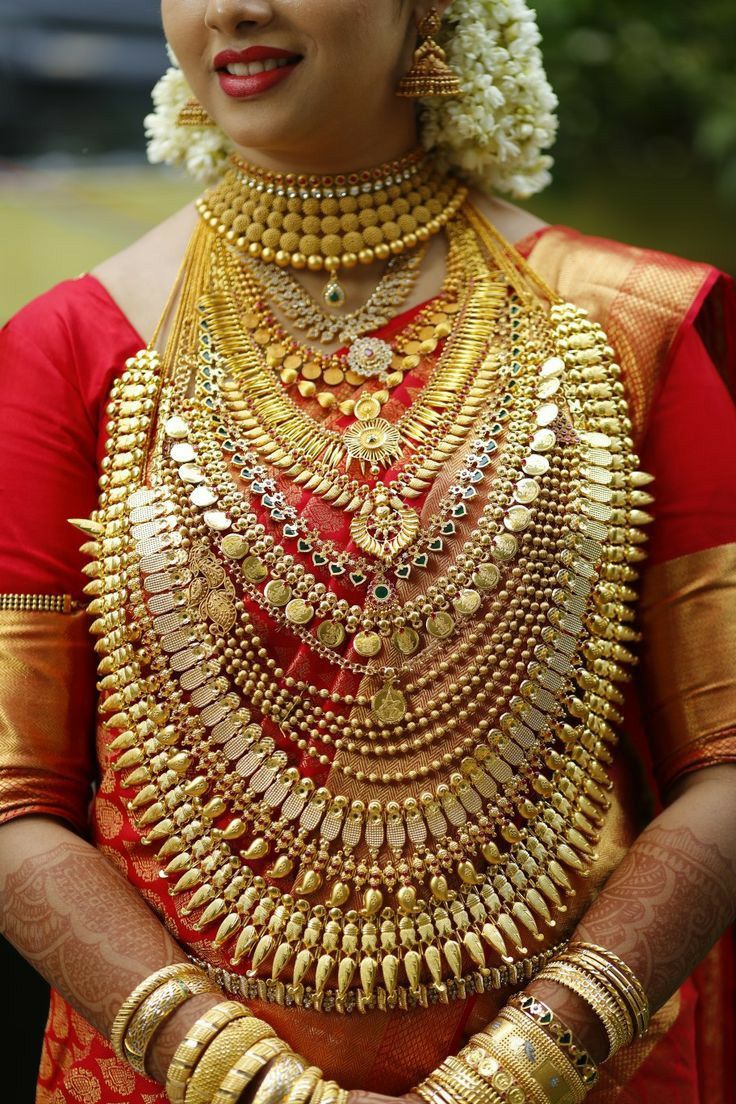
In many South Indian families:
- Gold buying starts early in life
- Jewellery is accumulated slowly over years
- Pieces are rarely sold unless there is a serious need
- Heirloom gold is passed down, not redesigned often
In contrast, North Indian jewellery culture often includes more gemstone-studded, lighter, or design-oriented pieces. Beautiful, yes — but often lower in pure gold weight.
So even if the number of items looks similar, the actual gold content per household can differ a lot.
Culture: Gold as Financial Safety, Not Just Decoration
In much of South India, gold is treated as:
- A parallel savings account
- A hedge against bad times
- A daughter’s financial security
- A symbol of family stability
For many older generations, banks and stock markets were not deeply trusted or accessible. Gold was simple: buy, store, pledge if needed.
No paperwork. No market crashes. No CEO scandals. Just weight and purity.
Gold loans are also widely normalized in the South. Pawning jewellery temporarily to manage cash flow is seen as practical, not shameful.
History: Turbulence in the North, Continuity in the South
Here’s a less talked-about angle.
Large parts of North India historically faced repeated invasions and political upheavals. Wealth — especially temple and royal wealth — was frequently looted or extracted during different eras.
Southern regions certainly saw wars too, but many areas experienced longer stretches of internal stability and strong regional kingdoms like the Vijayanagara Empire. Stable trade networks and temple-centered economies helped wealth remain within local systems.
Temples also became repositories of gold and prosperity culture. Devotees offered gold as gratitude and devotion.
Famous temples like Padmanabhaswamy Temple, Tirupati Balaji Temple, and Meenakshi Amman Temple reflect a long tradition where gold is spiritually meaningful.

When devotion and wealth combine for centuries, habits stick.
Gulf Money and Migration
States like Kerala and Tamil Nadu have long histories of overseas migration, especially to Gulf countries.
Remittances flowing back home often went into:
- House construction
- Land
- Gold purchases
Gold was portable, culturally respected, and a visible sign that migration “paid off.”
Many families preferred gold over flashy lifestyles. Quiet wealth beats loud spending in traditional households.
Social Signaling: Gold as Respectability
Let’s be blunt.
In many communities, a family’s gold holding subtly signals:
- Financial discipline
- Marriage readiness
- Social credibility
- Stability across generations
It’s not always about showing off. Often it’s about not looking financially weak.
A daughter entering marriage with adequate gold is still seen in many places as entering with security. Whether one agrees or not, this belief drives behavior.
Psychology: Tangible Wealth Feels Safer
Real estate is big money. Stocks are invisible numbers. Crypto is a rollercoaster.
Gold? You can touch it. Weigh it. Lock it. Wear it.
That psychological comfort matters. Especially for families that prioritize low-risk wealth preservation.
So Is the Claim True?
Broadly, yes — South Indian households often hold more gold on average.
But it’s not because one region is “obsessed” with gold and the other isn’t.
It’s because of:
- Cultural continuity
- Historical patterns
- Migration economics
- Marriage traditions
- Risk-averse financial behavior
- Religious symbolism
- Intergenerational habits
Gold in South India became a system. Not a trend.
A Forward-Looking Thought
Interestingly, younger generations across India are shifting:
- More digital investments
- More mutual funds
- Less heavy jewellery usage
- More minimalist weddings
Yet, when uncertainty rises, gold buying spikes again. Old habits don’t retire easily.
Because at the end of the day, gold in Indian homes is not just wealth.
It’s reassurance in metal form.
And in a country where uncertainty is a regular guest, reassurance sells very well.
Comments

Hi, I’m Nishanth Muraleedharan (also known as Nishani)—an IT engineer turned internet entrepreneur with 25+ years in the textile industry. As the Founder & CEO of "DMZ International Imports & Exports" and President & Chairperson of the "Save Handloom Foundation", I’m committed to reviving India’s handloom heritage by empowering artisans through sustainable practices and advanced technologies like Blockchain, AI, AR & VR. I write what I love to read—thought-provoking, purposeful, and rooted in impact. nishani.in is not just a blog — it's a mark, a sign, a symbol, an impression of the naked truth. Like what you read? Buy me a chai and keep the ideas brewing. ☕💭 For advertising on any of our platforms, WhatsApp me on : +91-91-0950-0950 or email me @ support@dmzinternational.com