
The Future of Cloud Computing: Quantum, AI, and Decentralized Revolution
The landscape of cloud computing is undergoing significant transformations driven by advancements in quantum technology, decentralized systems, and artificial intelligence (AI). Here’s an overview of these developments and their implications for the industry:
Quantum Technology’s Impact on Cloud Computing

Quantum computing is poised to revolutionize cloud services by enabling computations far beyond the capabilities of classical computers. Google’s recent unveiling of the “Willow” quantum chip marks a significant milestone in this field. Willow has demonstrated the ability to perform computations in under five minutes that would take a supercomputer 10 septillion years, highlighting its potential to solve complex problems previously deemed intractable.
The integration of quantum processors like Willow into cloud infrastructures could lead to the development of new services, such as quantum-enhanced machine learning and optimization algorithms, offering unprecedented computational power to businesses and researchers.
Blockchain-Based Decentralized Technologies in Cloud Computing
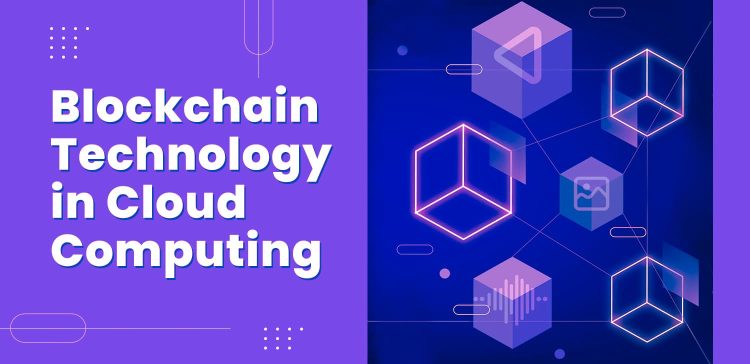
Blockchain technology is introducing decentralized paradigms to cloud computing, enhancing security, transparency, and reducing reliance on centralized providers. By creating a distributed network of nodes that share data and processing power, blockchain enables enterprises to avoid single points of failure and potential vendor lock-in.
This decentralized approach can lead to improved scalability and availability, as well as cost reductions by eliminating intermediaries. Real-world applications include supply chain management and financial services, where blockchain’s immutable ledger ensures data integrity and trust among participants.
Alibaba’s Leadership in AI-Driven Cloud Computing
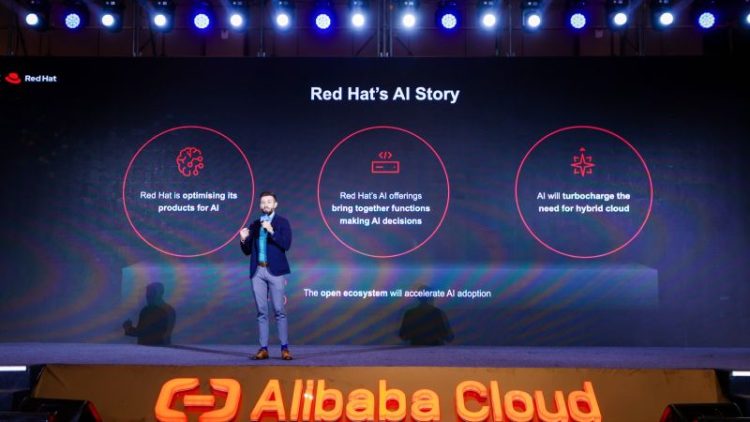
Alibaba Cloud is at the forefront of integrating AI into cloud services, redefining core components such as hardware, computing, storage, networking, databases, and big data to accelerate model development and deployment. This comprehensive approach aims to build the most robust AI infrastructure for the current era.
In December 2024, Alibaba Cloud announced plans to collaborate with 100 ecosystem partners by 2025 to develop and provide cutting-edge AI and cloud-computing solutions across various industries worldwide.
Strategies of Major Cloud Providers: AWS, Google Cloud, and Azure
Leading cloud providers are actively investing in AI and quantum computing to enhance their service offerings:
– AWS: Amazon Web Services is focusing on AI as a major growth area, investing in building proprietary AI chips and funding AI companies. AWS emphasizes practical applications of AI that drive real business value.
– Google Cloud: Google has developed the “Willow” quantum chip, achieving significant breakthroughs in quantum error correction and computational capabilities. This positions Google Cloud to offer advanced quantum computing services to its clients.
– Azure: Microsoft Azure is emerging as a cloud AI leader, particularly in generative AI, surpassing both AWS and Google. Azure’s focus on AI-driven cloud management and services positions it as a strong competitor in the evolving cloud landscape.
Emerging Technologies and the Future of Cloud Architecture
The convergence of AI, quantum computing, and distributed ledger technologies (DLT) is set to transform cloud architecture. Quantum computing offers unparalleled processing capabilities, AI enhances data analytics and decision-making, and DLT provides secure, decentralized frameworks. These technologies collectively contribute to more efficient, secure, and intelligent cloud services.
As these technologies mature, traditional cloud architectures may evolve to incorporate decentralized and quantum components, leading to more resilient and adaptable systems.
Career Advice for Aspiring Cloud Professionals

For individuals pursuing a career in cloud computing, particularly as cloud administrators or architects, focusing on the following areas is essential:
– Programming Proficiency: Develop skills in popular programming languages such as Java, Python, and Node.js.
– Comprehensive IT Knowledge: Gain a deep understanding of databases, networks, and other critical IT functions.
– Adaptability: Design flexible solutions with the expectation that business goals could change at any time.
– Continuous Learning: Stay updated with emerging technologies like AI, quantum computing, and blockchain, as they are increasingly integral to cloud services.
– Soft Skills: Develop strong communication and collaboration abilities to work effectively with cross-functional teams and stakeholders.
By focusing on these areas, aspiring cloud professionals can position themselves to thrive in a rapidly evolving industry.
Comments

Hi, I’m Nishanth Muraleedharan (also known as Nishani)—an IT engineer turned internet entrepreneur with 25+ years in the textile industry. As the Founder & CEO of "DMZ International Imports & Exports" and President & Chairperson of the "Save Handloom Foundation", I’m committed to reviving India’s handloom heritage by empowering artisans through sustainable practices and advanced technologies like Blockchain, AI, AR & VR. I write what I love to read—thought-provoking, purposeful, and rooted in impact. nishani.in is not just a blog — it's a mark, a sign, a symbol, an impression of the naked truth. Like what you read? Buy me a chai and keep the ideas brewing. ☕💭 For advertising on any of our platforms, WhatsApp me on : +91-91-0950-0950 or email me @ support@dmzinternational.com