The Sweet Lie We Tell Ourselves: Brown Sugar and Jaggery Are Not Your Friends
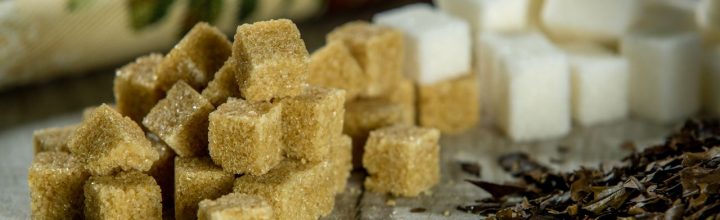
In many Indian homes, a quiet switch has happened. White sugar is now called “poison.” Brown sugar and jaggery are called “healthy.” The family feels good about the change and adds the same number of spoons to the tea.
This is one of the biggest food myths in India today.
What is the same in all three
White sugar, brown sugar and jaggery are all made mostly of sucrose. Sucrose is a mix of glucose and fructose. Your body does not care whether it came from a white crystal, a brown crystal or a golden block. It breaks it down the same way.
Brown sugar: Most brown sugar sold in shops is white sugar with a little molasses added back for colour and flavour. It is white sugar wearing a brown shirt.
Jaggery: Jaggery is better than white sugar in one small way. It keeps some iron, potassium and other minerals from sugarcane juice. But the amount is tiny. To get a useful quantity of iron from jaggery, you would have to eat so much of it that the sugar would do more harm than the iron would do good. Jaggery is still mostly sucrose.
Why sugar is the problem, whatever its colour
1. Fast blood sugar rise. Sugar enters the blood quickly. The body releases insulin to handle it. When this happens many times a day, for many years, the body slowly stops responding well to insulin. This is called insulin resistance, and it is the road to type 2 diabetes.
2. The liver pays for the fructose. Glucose can be used by every cell. Fructose is handled mostly by the liver. When too much arrives, the liver turns the extra into fat. Fatty liver is now common in India, even among thin people who do not drink alcohol.
3. Empty calories. Sugar gives energy but no fibre and no protein. It does not make you feel full, so you eat more.
4. It trains your taste. The more sweetness you eat, the more you need to feel satisfied. A tea that tasted fine with one spoon starts to taste weak.
India has over 100 million people living with diabetes, and many more with prediabetes, according to the large ICMR-INDIAB study published in 2023. This is not a small problem. We cannot solve it by changing the colour of the sugar.
The limit most people cross without knowing
The World Health Organization advises keeping added sugar below about 10 percent of daily energy, and lower is better. The ICMR-NIN dietary guidelines of 2024 go further and suggest staying under 5 percent. For most adults, that is roughly 25 grams, or about 6 teaspoons, a day. This counts sugar, brown sugar, jaggery, honey and the sugar in packaged food.
Now count your day. Four cups of chai with two spoons each is 8 spoons, about 32 grams. You have crossed the limit before breakfast biscuits, sweets, packaged juice or the evening snack.
What should we do
Cut slowly, not suddenly. If you take two spoons in tea, go to one and a half for a week, then one, then half. Your tongue adjusts in about three to four weeks. After that, your old tea will taste too sweet.
Use flavour instead of sugar. Cardamom, ginger, cinnamon and a few tulsi leaves make tea taste rich and rounded. Our grandmothers knew this long before sweeteners existed.
Choose fruit over sweets for snacks. A banana or a few dates with nuts gives sweetness along with fibre, which slows the sugar rise. Be honest about dates, though: they are still sugar, so keep the portion small.
Do not run to artificial sweeteners. The WHO advised in 2023 that sugar substitutes do not help with long-term weight control. They keep your taste tied to sweetness. They are not a cure.
Read the label. Sugar hides under names like dextrose, glucose syrup, maltose and fruit juice concentrate. A “health” biscuit or a “natural” breakfast cereal often has more sugar than you expect.
Keep sweets for occasions. A laddu at a festival or a payasam at a wedding is part of our culture. A daily laddu is a habit, not a tradition.
The honest conclusion
If you are choosing between white sugar and jaggery, jaggery is slightly better. But “slightly better” is not “healthy.” Swapping one for the other and carrying on as before changes almost nothing for your body.
The real change is simple and hard: eat less sweet, and let your taste adjust.
The colour of the sugar does not decide your health. The number of spoons does.
Comments

Hi, I’m Nishanth Muraleedharan (also known as Nishani)—an IT engineer turned internet entrepreneur with 25+ years in the textile industry. As the Founder & CEO of "DMZ International Imports & Exports" and President & Chairperson of the "Save Handloom Foundation", I’m committed to reviving India’s handloom heritage by empowering artisans through sustainable practices and advanced technologies like Blockchain, AI, AR & VR. I write what I love to read—thought-provoking, purposeful, and rooted in impact. nishani.in is not just a blog — it's a mark, a sign, a symbol, an impression of the naked truth. Like what you read? Buy me a chai and keep the ideas brewing. ☕💭 For advertising on any of our platforms, WhatsApp me on : +91-91-0950-0950 or email me @ support@dmzinternational.com