
What Happened to China’s Superstar Entrepreneur Jack Ma?
Jack Ma was about to become the richest man in China.
In November 2020, on the eve of another commercial success, the outspoken billionaire suddenly went missing. Ma’s company Alibaba has risen from an online store run from his apartment, to one of the world’s largest tech giants.
Today, it reaches nearly 800 million users with services including online shopping, cloud computing and artificial intelligence. The tech magnate is known for his flamboyant presence and publicity stunts. He’s thrown parties for thousands of his employees and serenaded them with musical numbers like You Raise Me Up.
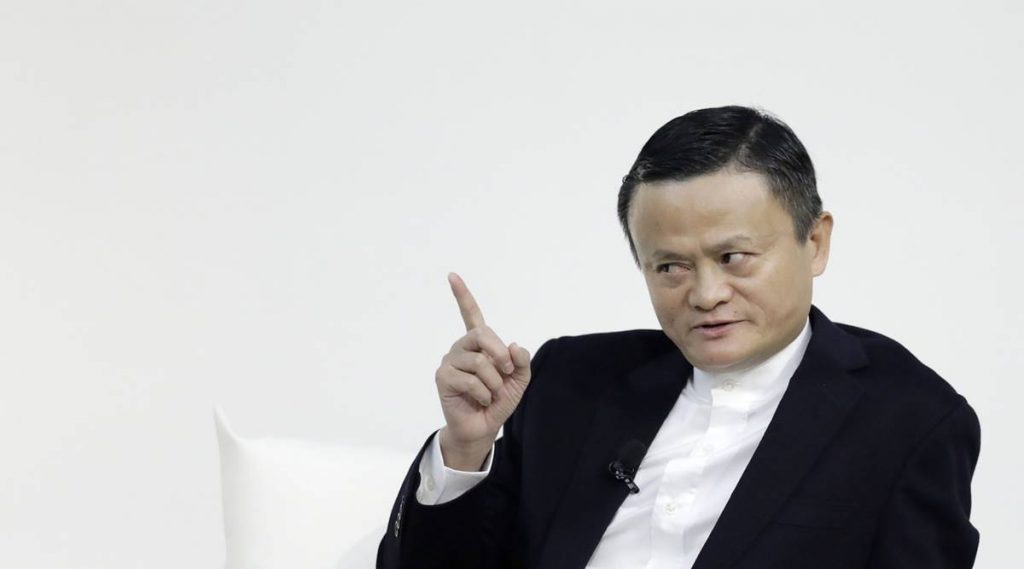
Controversial speech
The company is aiming to revolutionize banking in China, shifting power away from traditional institutions. On 24 October 2020 in Shanghai, Ant Group was ready to launch the world’s biggest initial public offering on the stock exchange.
Ahead of this, Ma addressed an assembly of high-profile figures with a controversial speech that criticized the Chinese financial system. He was not seen in public again until late January 2021. In the interim, there were rumours that he might have been placed under house arrest or otherwise detained.
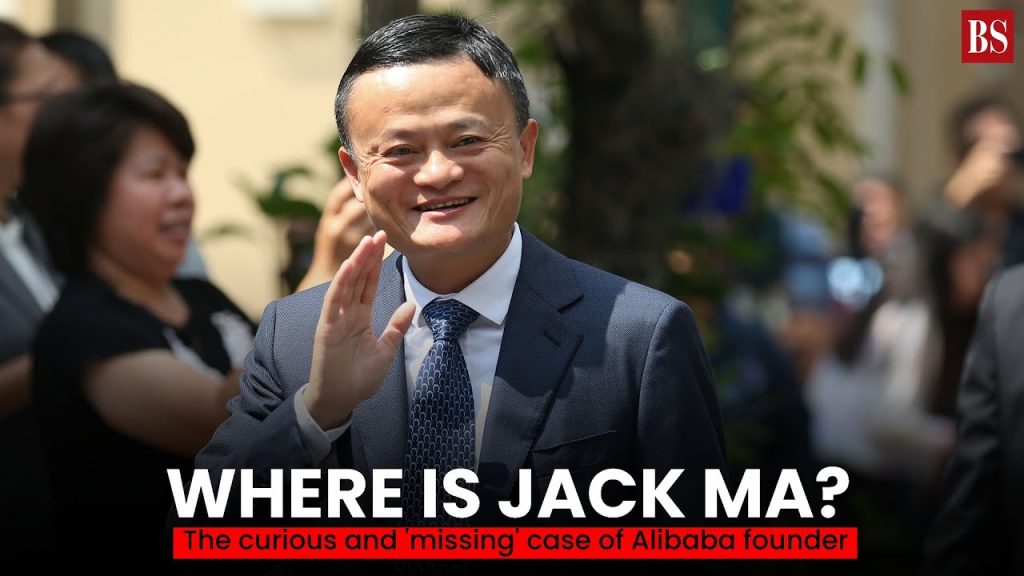
Some even questioned if he was still alive.
Ma’s story is investigated as part of The Real Internet Giants, a new two-part series for BBC Radio 4, presented by entrepreneur Kathryn Parsons.
The Alibaba founder had accused Chinese banks of operating with a “pawn-shop mentality”. He had also claimed that the authorities were trying to “use the way to manage a railway station to manage an airport” when it came to regulating the new world of digital finance.
These statements angered the banking establishment and reportedly reached the attention of President Xi Jinping.
Soon Ma and his close colleagues were summoned for a meeting with the regulators, and Ant Group’s flotation was halted in its tracks. Shares in Ma’s companies fell, wiping nearly $76bn (£54bn) off its value.
After that meeting, Jack Ma was nowhere to be seen.

“That day he apparently crossed the invisible red line for what can be said and done in Xi Jinping’s China,” says Christina Boutrup, a China analyst who has interviewed Ma in the past. “I believe it was a big surprise for him. He would never have crossed that line if he had known how bad it could go.”
Eventually, on 20 January 2021, Ma resurfaced in the form of a short video address for a charity event. He was subsequently spotted the following month playing golf on the Chinese tropical island of Hainan.
“Apparently he just kept a very low profile, which was really the best thing he could do,” says Ms Boutrup.
“There are [Communist] party committees there to remind the companies… that the party ultimately has power, even over powerful individuals like Jack Ma,” says Samantha Hoffman, a researcher at the Australian Strategic Policy Institute.
This control extends to secrecy, she says.
“Not only is a company responsible to do what the party demands, but they also can’t admit to doing that if they’re asked.”
But others have suggested it is unfair to judge China’s tech giants on the same basis as those from developed countries.
In November, officials in Beijing reprimanded Ma and suspended the $37billion initial public offering of his Ant Group on the direct order of President Jinping, the Wall Street Journal reported. He was then advised to remain in China before launching an anti-monopoly investigation into his Alibaba Group Holding on Christmas Eve, according to Bloomberg.
As per the Associated Press, the moves are part of the Communist Party’s efforts to curb the influence of tech companies as they move into the financial services sector during a time when Beijing is seeking to reduce financial risks. Chinese regulators also ordered Ant Group, the world’s largest financial technology company, to rectify its businesses and comply with regulatory requirements amid increased scrutiny of anti-monopoly practices in the country’s internet sector.
Alibaba and a company spun off by Tencent Holding Ltd. were fined recently for failing to apply for official approval before proceeding with some acquisitions.
Comments

Hi, I’m Nishanth Muraleedharan (also known as Nishani)—an IT engineer turned internet entrepreneur with 25+ years in the textile industry. As the Founder & CEO of "DMZ International Imports & Exports" and President & Chairperson of the "Save Handloom Foundation", I’m committed to reviving India’s handloom heritage by empowering artisans through sustainable practices and advanced technologies like Blockchain, AI, AR & VR. I write what I love to read—thought-provoking, purposeful, and rooted in impact. nishani.in is not just a blog — it's a mark, a sign, a symbol, an impression of the naked truth. Like what you read? Buy me a chai and keep the ideas brewing. ☕💭 For advertising on any of our platforms, WhatsApp me on : +91-91-0950-0950 or email me @ support@dmzinternational.com